The Last Turtle of Hoan Kiem: Hanoi’s Symbol and a Legend Come to Life
Did you know that one of Hanoi’s most enduring symbols is a giant Golden Turtle? And it is not merely an ancient legend: for many years, one of the world’s rarest giant turtles really did live in a small lake at the heart of the bustling capital. The people of Hanoi respectfully called her Cụ Rùa.
To understand why she inspired such reverence, we must go back several centuries—to a fisherman who cast his net into a river and pulled out a mysterious blade instead of his catch.
The Blade from the River and the Will of Heaven
The fisherman’s name was Le Than. One day, he cast his net into the river and felt an unusual weight as he hauled it in. Thinking he had caught a large fish, he pulled harder—but among the wet ropes lay a blade with no hilt.
At the time, Vietnam was under the rule of China’s Ming dynasty. In the mountainous region of Lam Son, a landowner named Le Loi was gathering men for an uprising. Le Than joined him and brought the strange object with him.
The missing part of the weapon appeared later. During one retreat, Le Loi saw a glow among the branches of a banyan tree. Hidden in its leaves was an ornate hilt. It fitted perfectly onto the blade that had once been drawn from the riverbed. When the sword was whole, the words “Thuan Thien”—“the Will of Heaven”—appeared upon it.
Behind the legend lay a real war that lasted almost ten years. Le Loi launched his uprising in 1418, drove out the Ming forces and, in 1428, ascended the throne of an independent country.
After the victory, Le Loi was sailing across Luc Thuy Lake when the water parted before his boat and the Golden Turtle rose from the depths. She demanded that he return the weapon, which the Lord of the Waters had lent him for the duration of the war.
Le Loi held the blade out over the water. The Turtle took it in her mouth and vanished beneath the surface. From that day onward, the lake became known as Hoan Kiem—the Lake of the Returned Sword.
The Golden Turtle also appears in another ancient tale—about the earliest known Vietnamese water puppet performance.
How the Legend Became Reality
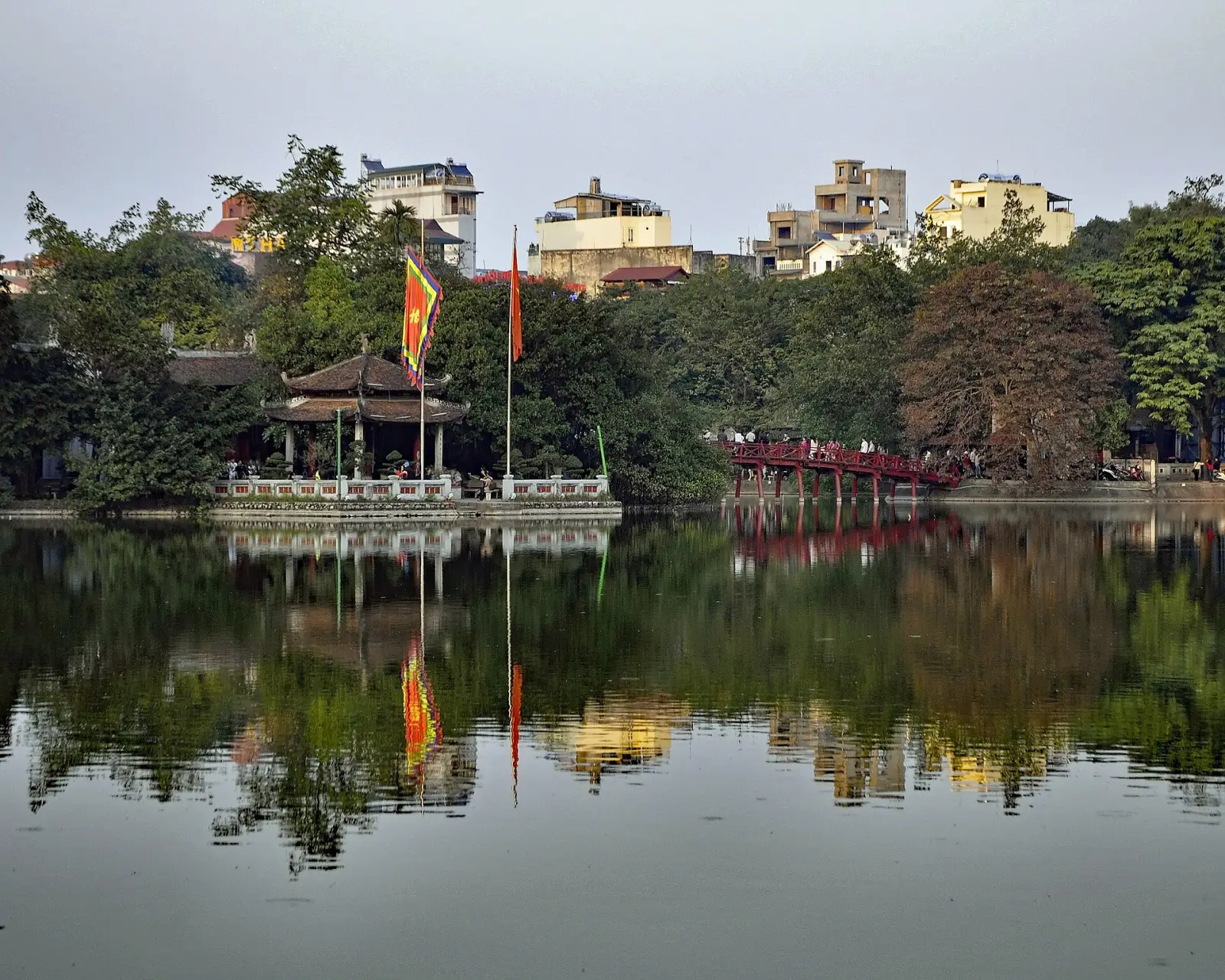
Centuries passed. Hanoi grew and changed around the lake, while the tale of the returned sword gradually became part of the cityscape itself. Ngoc Son Temple—the Temple of the Jade Mountain—was built on a small island near the northern shore. A vivid red bridge called The Huc, “the light of dawn,” connected it to the embankment. And on another islet in the middle of the lake, a small building known as Turtle Tower appeared.
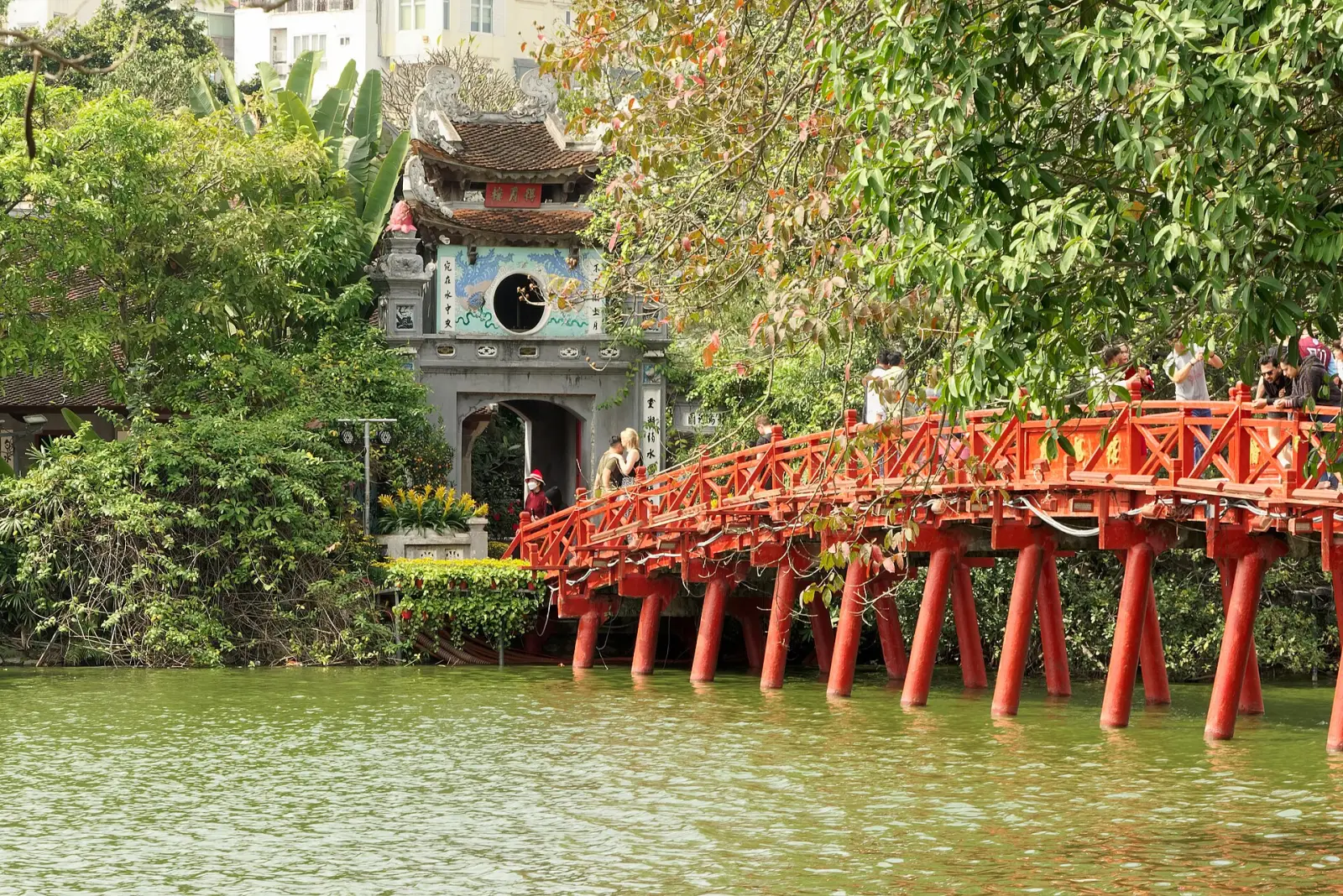
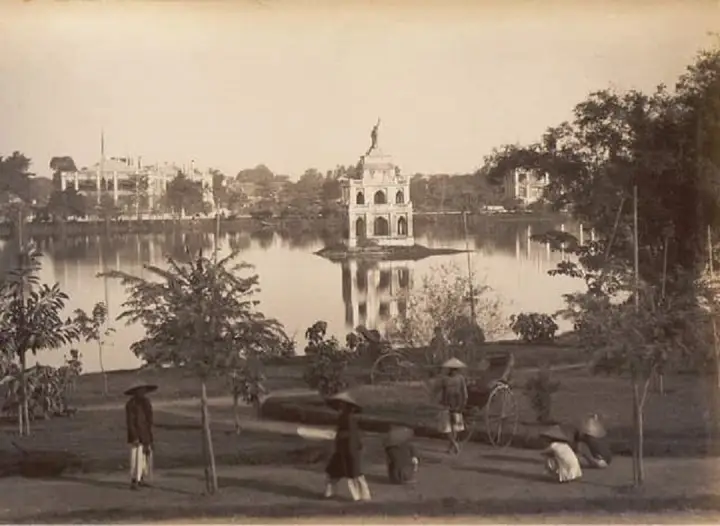
From a distance, the tower looks as though it had stood there in Le Loi’s time and watched the Golden Turtle carry away the magic blade. In fact, it was built only around 1886—nearly four centuries after the events of the legend. Yet over time it became so inseparable from the lake that it no longer seemed like a monument to the old tale, but a continuation of it.
And the ancient legend proved to be closer to reality than anyone might have imagined. In 1967, a giant turtle was found dead in Hoan Kiem. Her body was preserved and placed on display in Ngoc Son Temple.
The years passed, and no one could say for certain whether even one more such animal remained in the lake. Occasional accounts of a dark back or an enormous head breaking the surface were not proof.
Then, in the spring of 1998, an amateur video revealed that a giant turtle was still living in the lake. Decades after the death of its former inhabitant, the long-awaited confirmation had finally arrived. She was not golden, of course, and she carried no magic sword in her mouth—but she was alive.
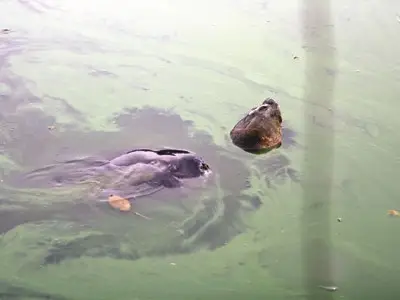
Why She Was Called the Venerable Turtle
Hanoians called her Cụ Rùa—the Venerable Turtle. In Vietnamese, cụ is a respectful form of address for a very elderly person, so the name conveyed not only reverence but an almost familial affection. To the people of the city, she was more than a rare animal: she was a living inhabitant of the very lake into which the magic sword had once disappeared.
To scientists, she was one of the rarest members of Rafetus swinhoei, the Yangtze giant softshell turtle. Instead of a familiar domed shell, these turtles have bodies covered in thick, leathery skin, and an elongated snout ending in a short, trunk-like nose. They once inhabited the rivers and lakes of northern Vietnam and southern China. Hunting, polluted waters and the destruction of their habitats, however, pushed the species to the brink of extinction.
How Hanoi Tried to Save Its Turtle
Every appearance by Cụ Rùa was an event for Hanoi. The moment her head or broad dark back emerged above the water, passers-by stopped and crowds gathered along the shore. And if she surfaced on a day of special importance to the country, a chance coincidence quickly became an omen.
In 2010, as Hanoi celebrated the thousandth anniversary of Thang Long, Cụ Rùa surfaced on the opening day of the festivities. She appeared again on the final day. Many residents took the coincidence as a good sign: it was as though the ancient guardian of the sword had risen to greet the city.
Before long, however, her frequent appearances ceased to be a cause for joy. Deep wounds and sores were noticed on the turtle’s body. Photographs of the ailing animal appeared in newspapers, the authorities formed a special commission, and a temporary hospital was prepared on the islet beside Turtle Tower.
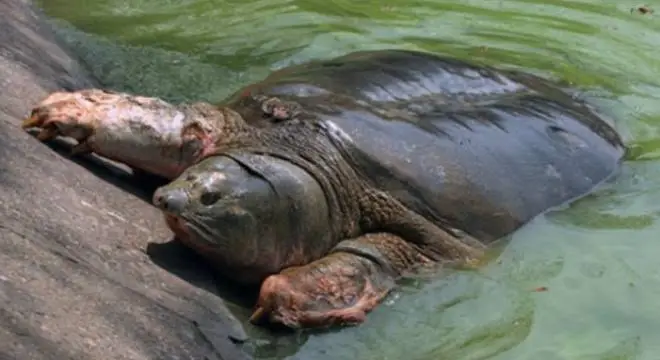
The first attempt to catch Cụ Rùa failed: she tore through the net and disappeared into the lake. Rescue workers, divers and soldiers joined the second operation. For several hours they tightened a ring of nets around the giant turtle until they could guide her into a cage and bring her to the islet. Only there could she be examined properly, revealing her precise weight: 169 kilograms. Treatment lasted a little over three months, after which Cụ Rùa was returned to Hoan Kiem. Residents saw her at the surface many more times.
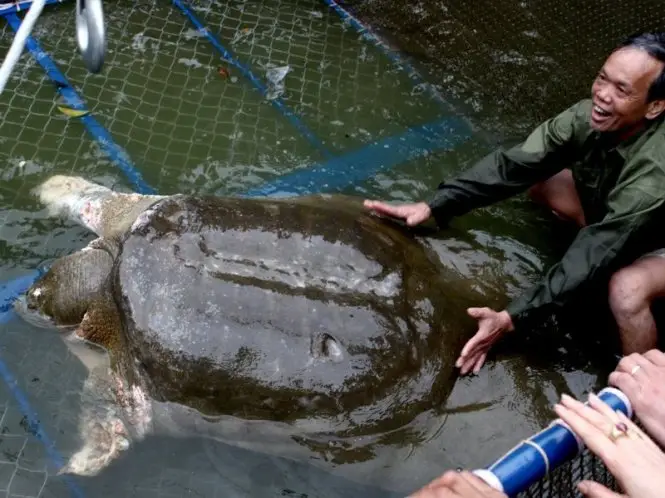
On 13 October 2013, a photograph of Cụ Rùa surfacing during the farewell to General Vo Nguyen Giap spread across the internet. Many Hanoians saw the coincidence as the lake’s guardian bidding farewell to a national hero.
Farewell to Cụ Rùa
On 19 January 2016, Cụ Rùa was found dead. No one knew her exact age, and confident claims that she was two hundred—or even several hundred—years old belonged more to urban mythology than to science. The cause of death was never conclusively established either. One thing was certain: not a single turtle was known to remain in Hoan Kiem.
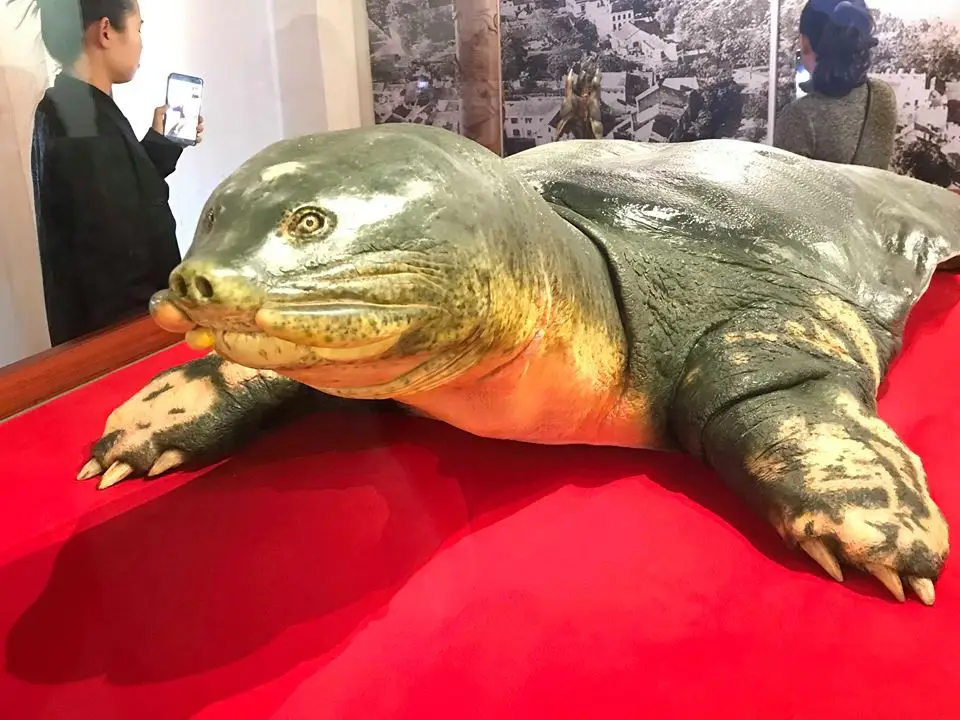
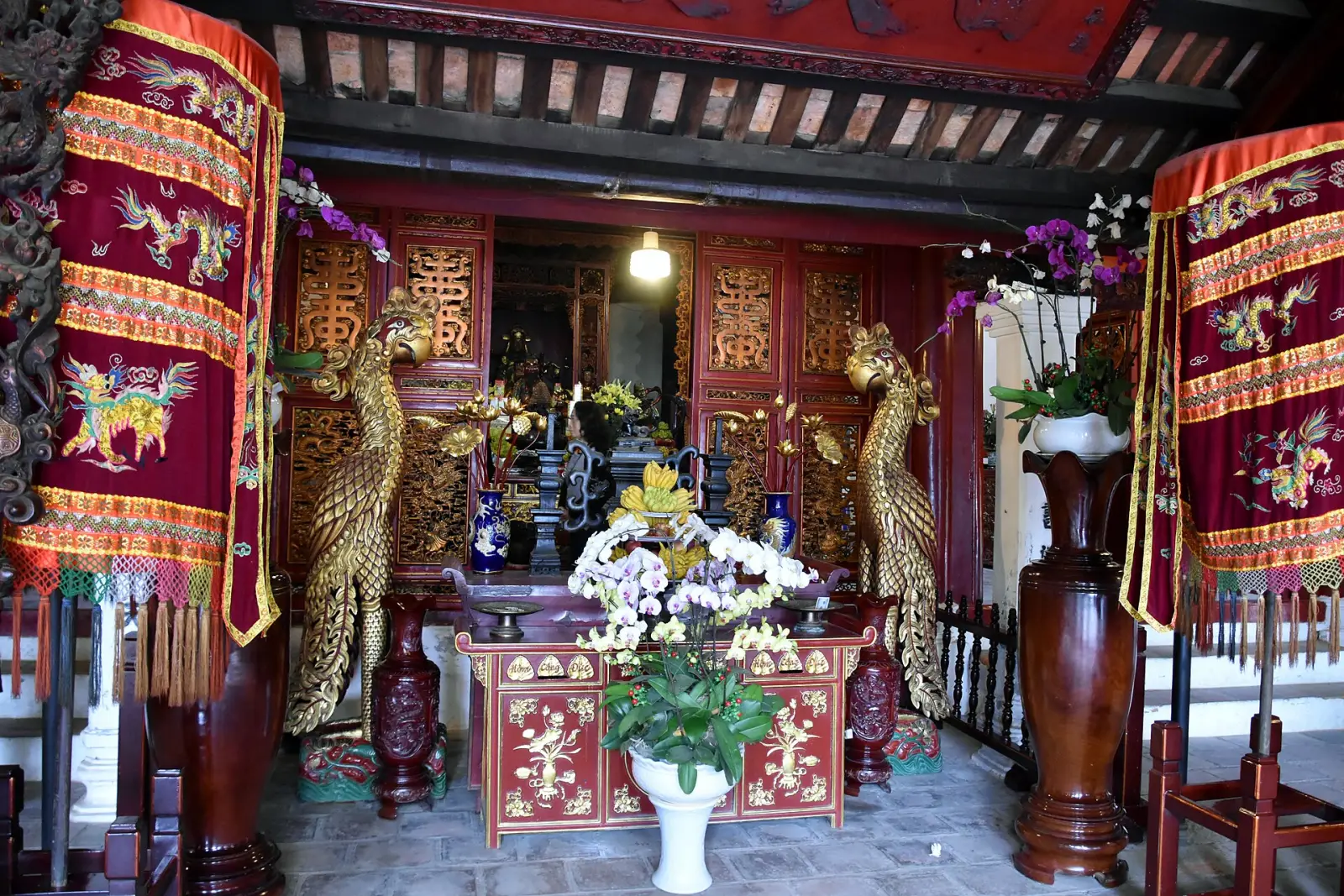
From April 2016 to April 2018, her body was preserved through plastination. In March 2019, Cụ Rùa was placed on display in Ngoc Son Temple beside the other turtle found in the lake in 1967. Now she can be seen only behind glass, reached by crossing the red bridge over the very water in which she once lived.
How Scientists Are Trying to Save the Last Giants
The death of Cụ Rùa did not mean that the entire species had vanished with her. A handful of giant turtles still survived in China and the lakes of northern Vietnam, and scientists were trying to help them produce offspring.
The last known female in China was taken to Suzhou Zoo, where an elderly male lived. She laid eggs, but none ever hatched: an old injury left the male almost incapable of fertilising them. Scientists attempted artificial insemination several times. During the final procedure, the female failed to recover from anaesthesia and died.
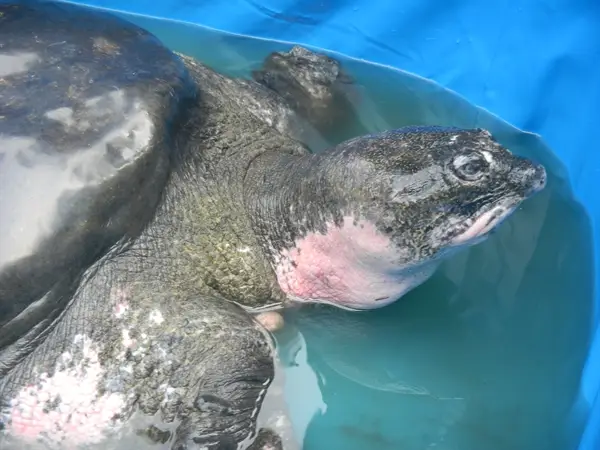
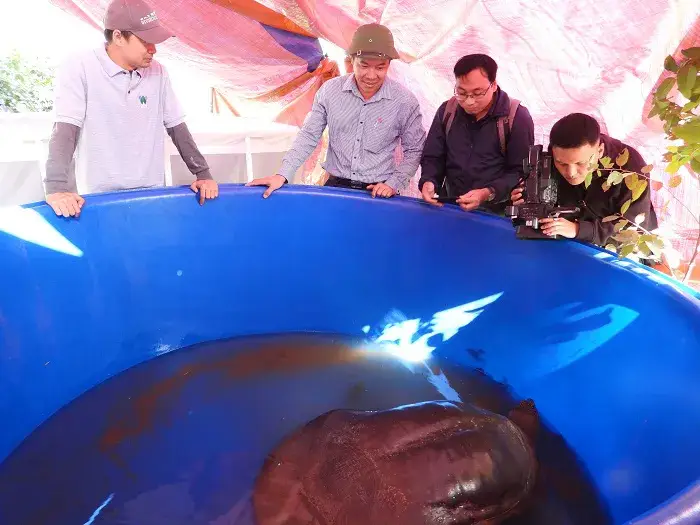
Soon, hope emerged in Vietnam. A turtle that had remained hidden in Dong Mo Lake for years was identified as a female Rafetus swinhoei. Researchers began searching for a mate, but they never managed to capture the possible male. A few years later, the female was found dead.
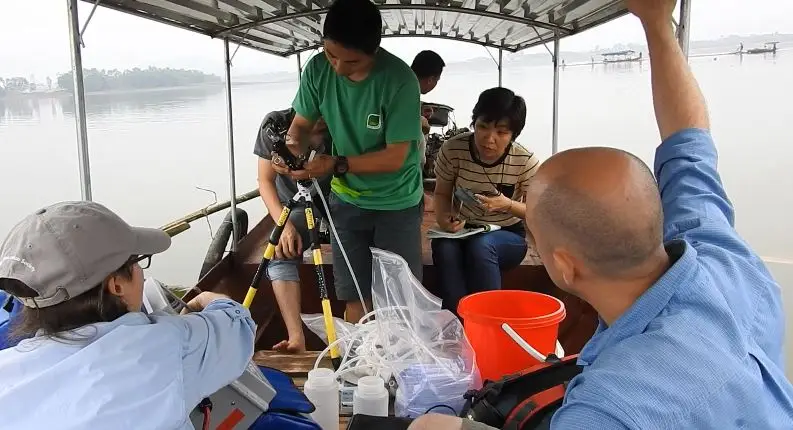
Today, the presence of these vanishing giants is sometimes detected only through traces of DNA left in the water. Just two living individuals are known with certainty: the elderly male in China and a turtle in Vietnam’s Xuan Khanh Lake whose sex has yet to be determined. Others may still be hiding somewhere beneath the murky water—but for now, that remains only a hope.
In the centre of Hanoi, life continues to flow around the lake. People cross the red bridge, Turtle Tower stands on its tiny islet, and the water reflects trees and rooftops. Cụ Rùa no longer rises to the surface. The Golden Turtle who returned the magic sword after Le Loi’s victory now truly belongs to legend alone.
Comments
Read also
All articles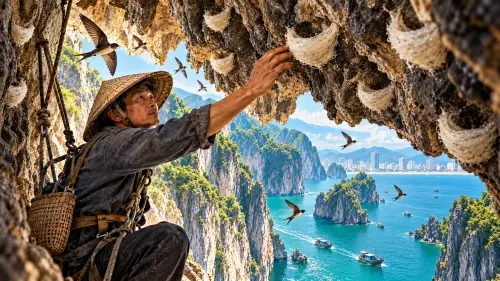
Edible bird’s nests: who first thought of eating them, and why are they so expensive?
From perilous cave harvests to gift boxes worth millions of dong.

Why Vietnam has two Women’s Days: the women who fought for rights and independence
A women’s newspaper, underground organizations, negotiations in Paris and letters from France: the history remembered in Vietnam on October 20.

Hanoi Events
Hoan Kiem cultural celebrations, symphony concerts, water puppetry, exhibitions and small community gatherings. Browse Hanoi events or publish your own for free.
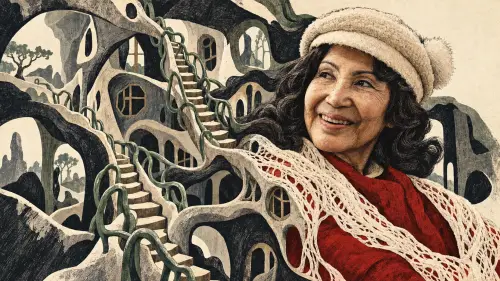
A hotel of fantasies: how a Vietnamese revolutionary’s daughter built Crazy House
Concrete trees, family keepsakes and a building project that became a life’s work.
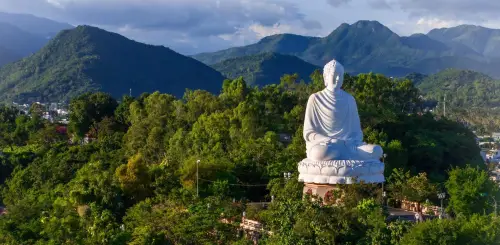
Long Son Pagoda and the White Buddha in Nha Trang: what to see and how to get there
From a small thatched temple to a giant Buddha on the hilltop.
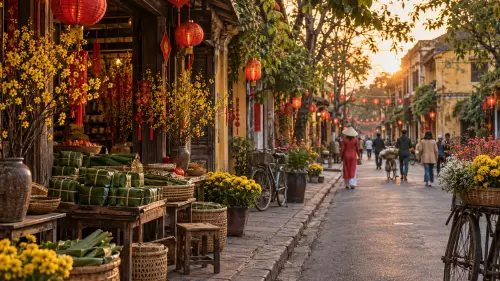
Tet in Vietnam: How to Experience the Country’s Biggest Holiday and Plan Your Trip
Tet is one of the best — and at the same time one of the most inconvenient — periods for a first trip to Vietnam.…