Edible bird’s nests: who first thought of eating them, and why are they so expensive?
Do you know what counts as one of the most expensive gifts in Vietnam? An edible bird’s nest.
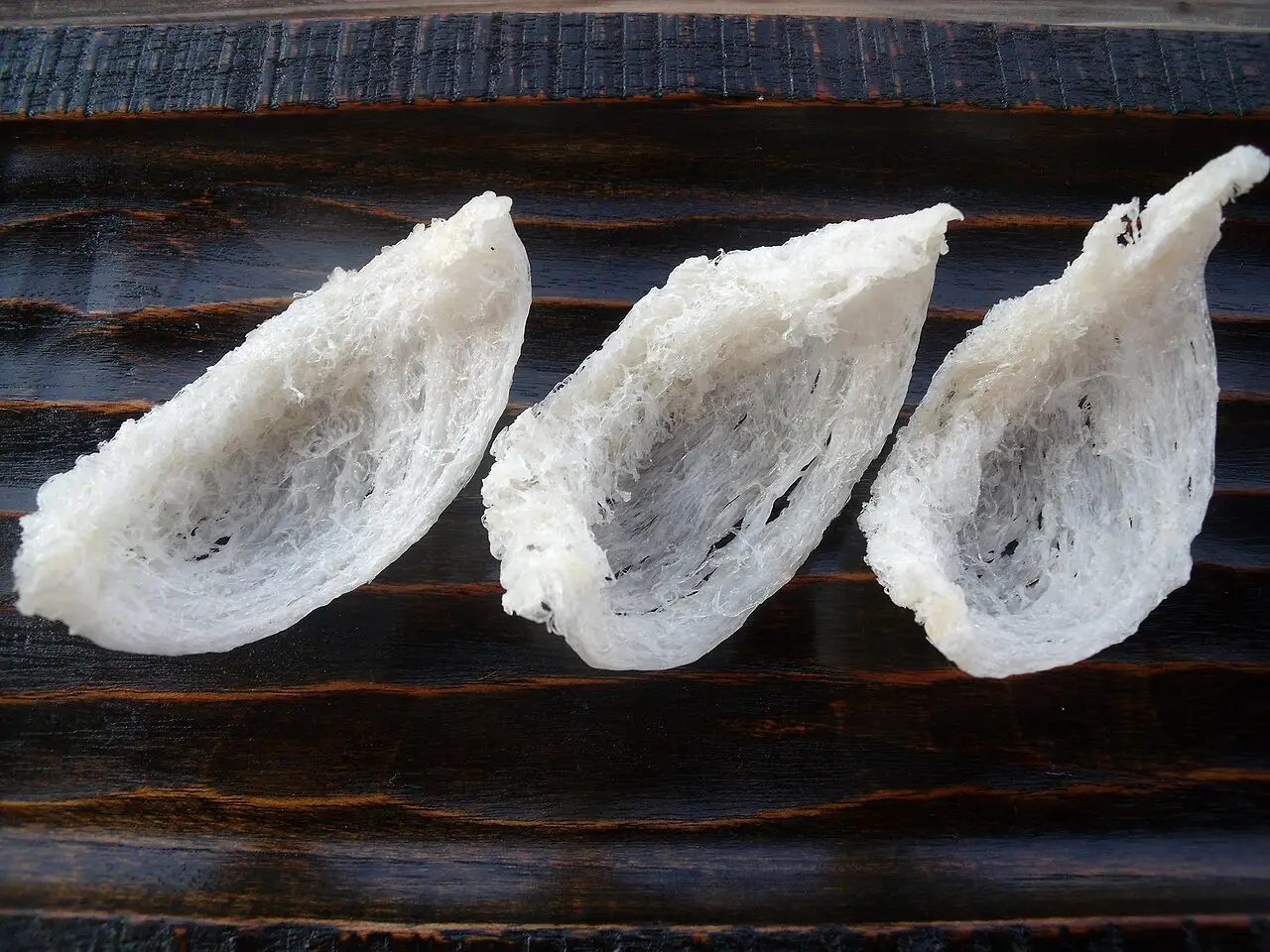
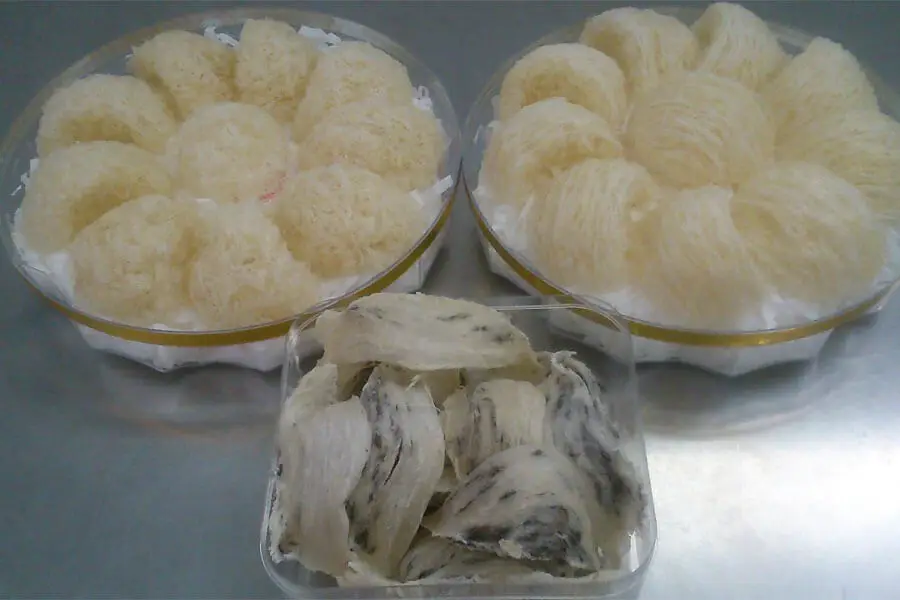
People give it to their parents, bring it to someone recovering from illness, and buy it for pregnant women or business partners. Bird’s nests are sold in sweet bottled drinks, ready-made soups, desserts and elegant gift boxes. You can even buy a whole dried nest—a tiny white cup with an astonishing price tag.
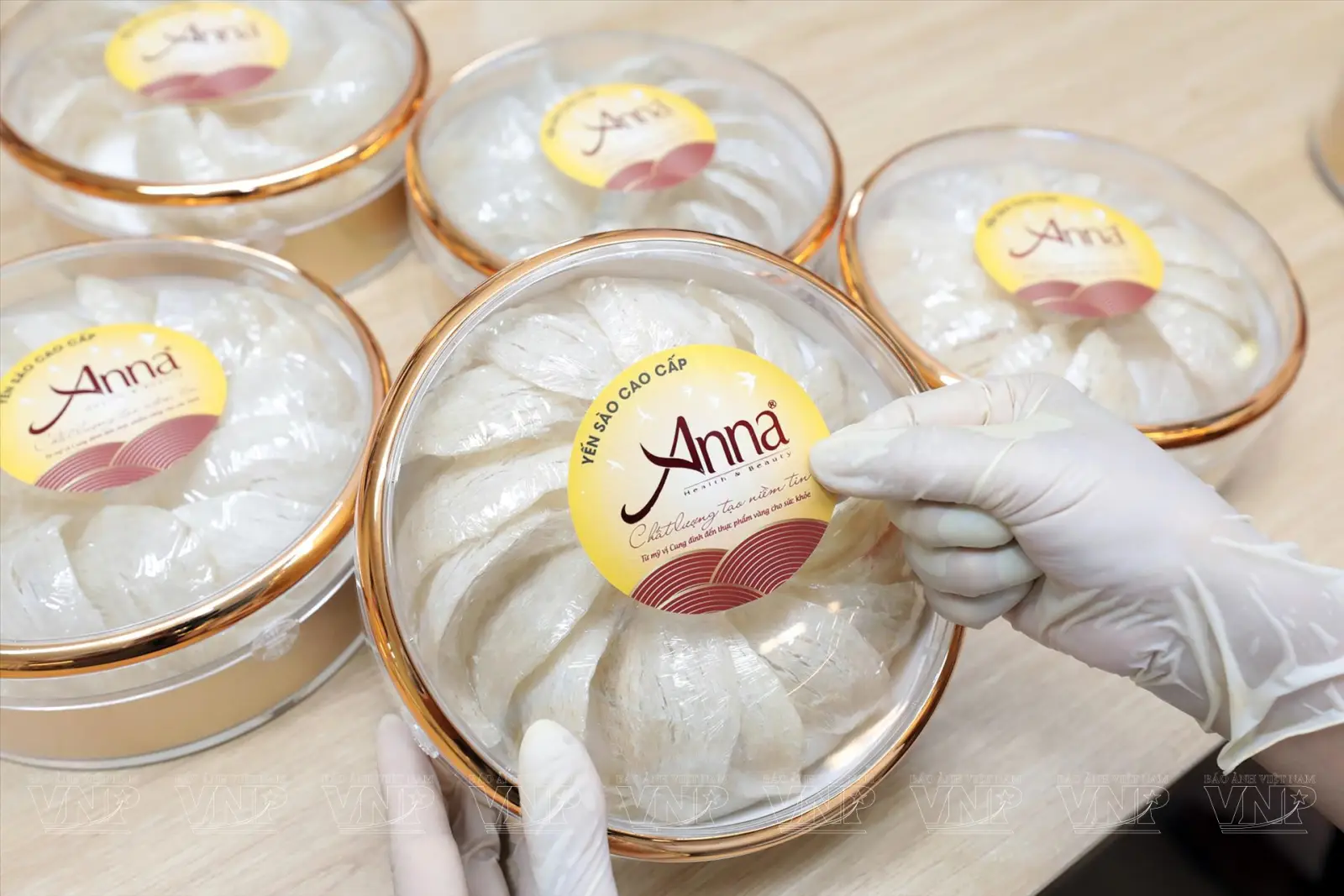
But who first looked at a bird’s nest and decided it should be eaten?
Who first decided to eat a nest?
According to legend, in 1328 a naval detachment commanded by Lê Văn Đạt was caught in a violent storm. The ships lost their course, and the sailors were driven toward one of the rocky islands off the coast of present-day Nha Trang. They sheltered from the wind and waves in caves, but the storm continued and their food supplies quickly ran out.
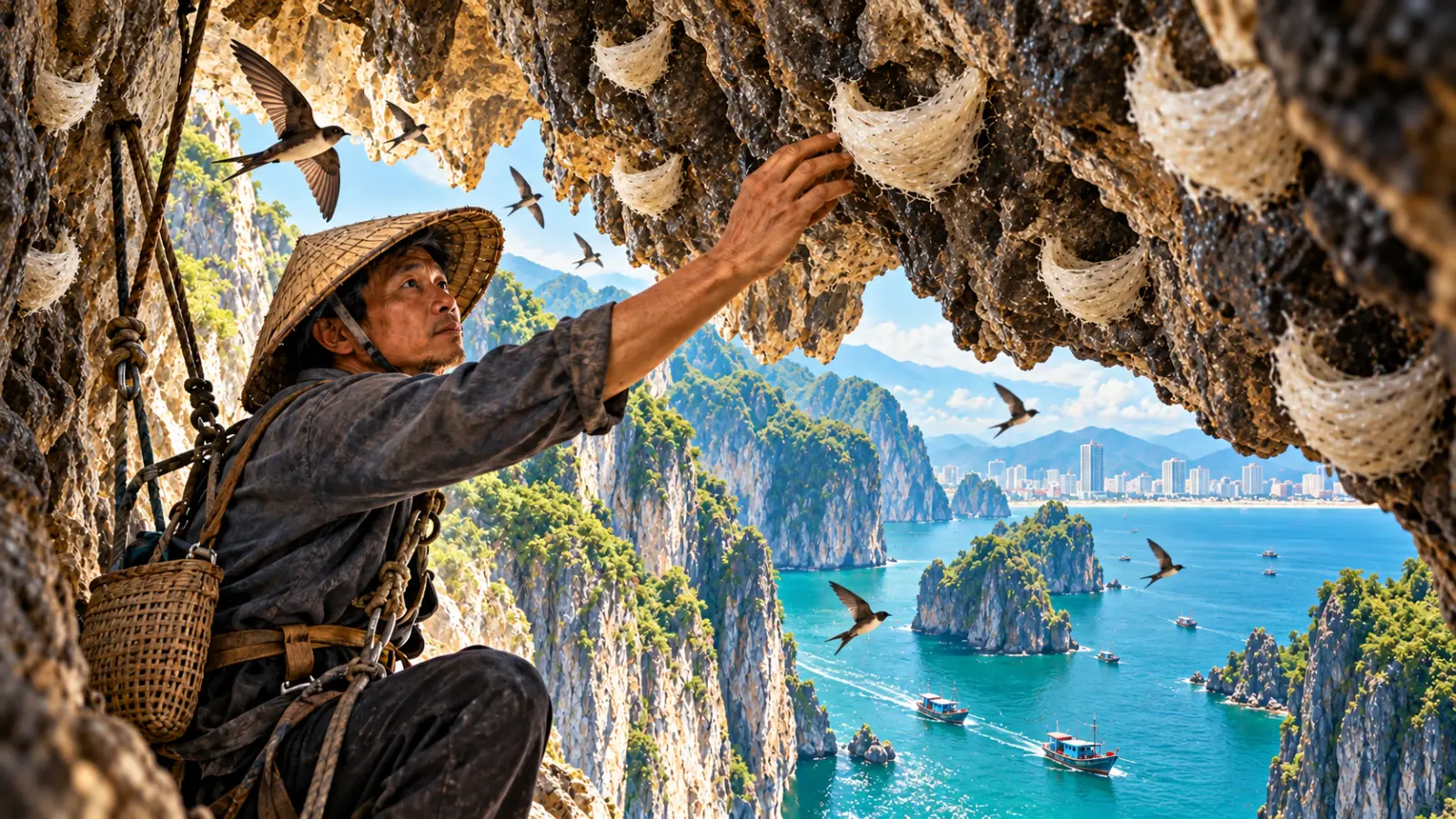
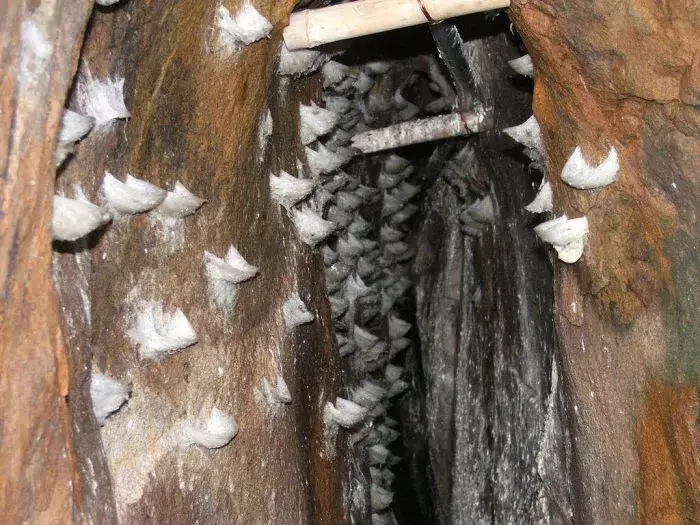
Searching for anything edible, the men ventured deeper into the darkness. On the sheer walls they noticed small pale cups. They clung directly to the rock, high above the ground, with flocks of birds circling around them.
Hunger overcame fear. The sailors took several nests from the wall, soaked them in water and tasted them. The nests helped them hold out until the storm passed.
When the sea calmed, the detachment returned to the mainland. But Lê Văn Đạt did not forget the islands. He sent people back to guard the caves and collect the nests.
On shore, the sailors told others about the food that had helped them survive. People began returning for the nests deliberately and preparing them as a rare food believed to restore strength. This is where Khánh Hòa traces the beginning of its nest-harvesting tradition, with Lê Văn Đạt remembered as its founder.
From the imperial table to a major trade
Edible nests were prized beyond Vietnam as well. In China they were served to the elite and used in traditional medicine. They were believed to restore strength, aid recovery and preserve youth. As demand grew, merchants travelled more often to the islands of Southeast Asia in search of them.
Gradually, harvesting became an organized business. Under the Nguyễn rulers, special teams were assigned to particular islands and caves. They collected nests, protected the bird colonies and surrendered part of the harvest as tax. The nests reached wealthy households and the imperial court, while the islands themselves became valuable sources of revenue.
Who builds the nests—and who climbs up to collect them?
Despite the common name, these nests are not made by swallows. They are built by certain swiftlet species. Layer by layer, the small birds spread a secretion from their salivary glands onto the rock. It hardens into a pale semicircular cup fixed to the cave wall.
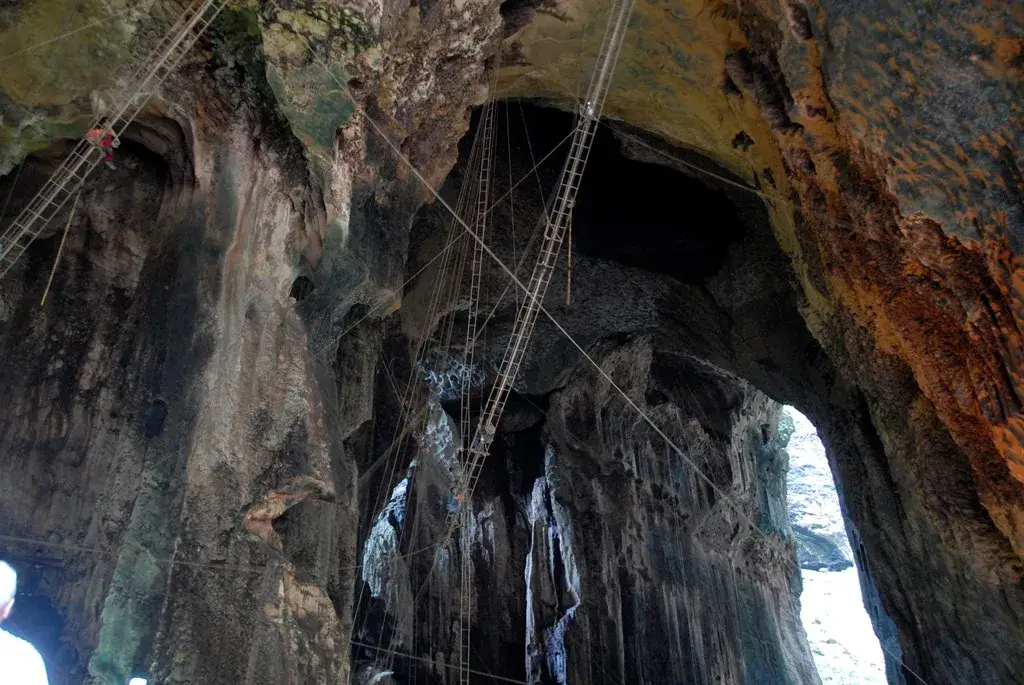
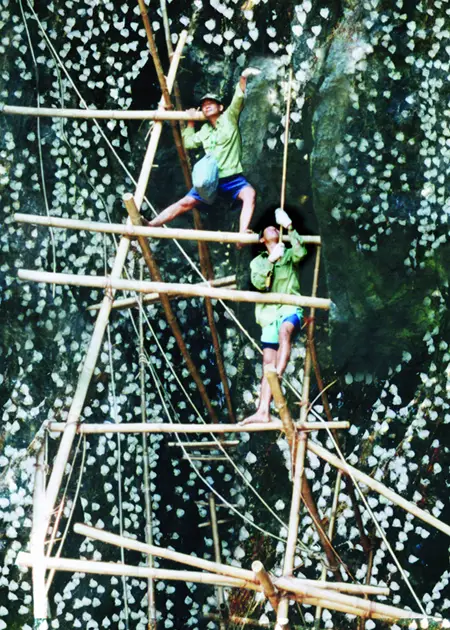
Reaching some nests means descending by rope to a cave directly above the sea. Inside, it is dark and slippery, and the sought-after cup may sit in a narrow crevice dozens of metres above the floor. Harvesters use safety lines, long poles and hooks. Boat crews, island guards and colony monitors work alongside them.
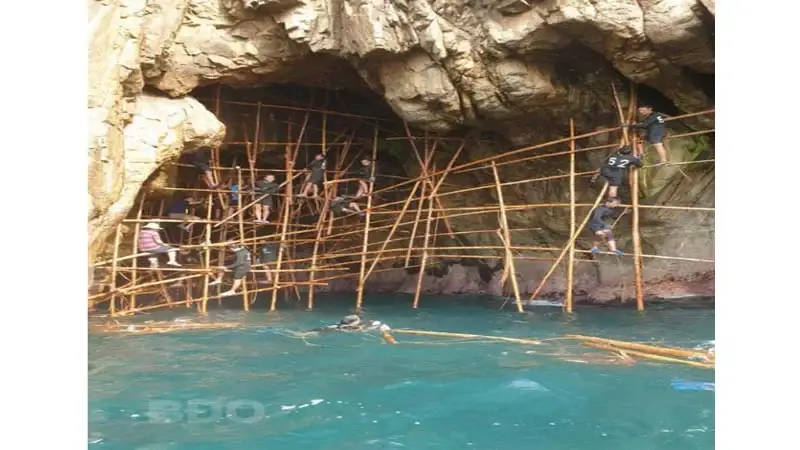
Today, the caves off the Khánh Hòa coast are managed by the state-owned Yến sào Khánh Hòa company. It oversees dozens of islands and hundreds of caves. Some guards live for long periods on remote islands, watching the birds and protecting the colonies from poachers.
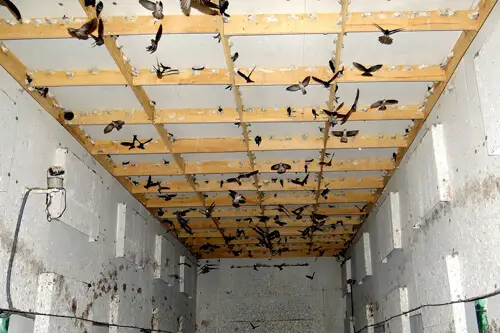
But nests have long been harvested beyond natural caves. Special swiftlet houses now stand throughout Vietnam. These tall buildings have no windows. Inside they are dark, warm and humid, while recorded bird calls play through loudspeakers. The swiftlets are not kept in cages: they arrive on their own, build nests on wooden boards and fly out every day to hunt insects.
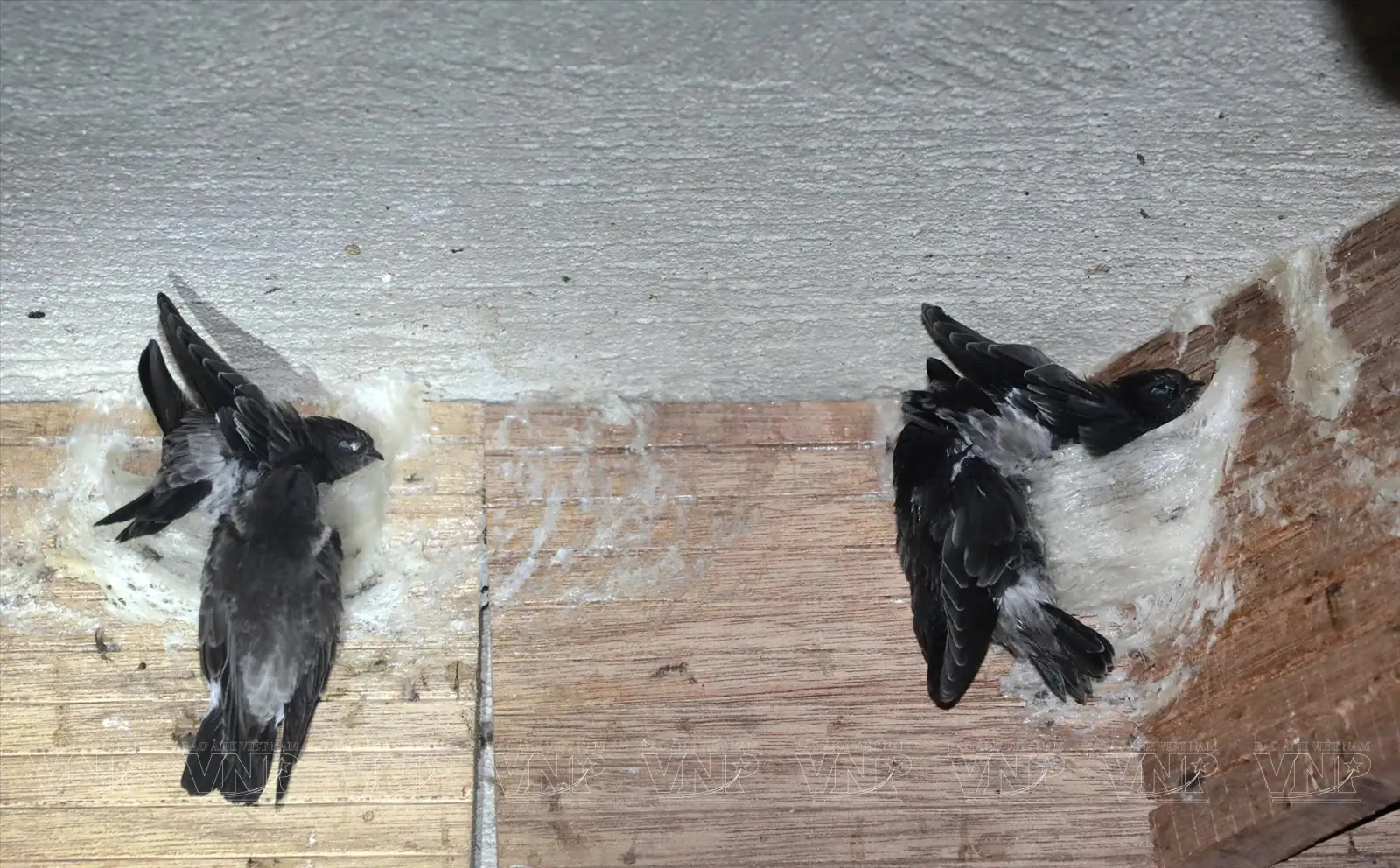
Choosing the right harvesting time is crucial. If a nest is removed before eggs are laid, the birds will start again, but the pair may produce fewer chicks. Removing an occupied nest kills the eggs or young. The gentlest approach is to wait until the chicks have grown and flown away. Responsible harvesting is therefore possible only where colonies are monitored continuously.
What Vietnamese buyers choose—and why it costs so much
After collection, a nest is softened and cleaned for hours with tweezers to remove feathers and other impurities. It is then reshaped and dried again. Whole pale cups command the highest prices, while broken nests and loose strands cost less.
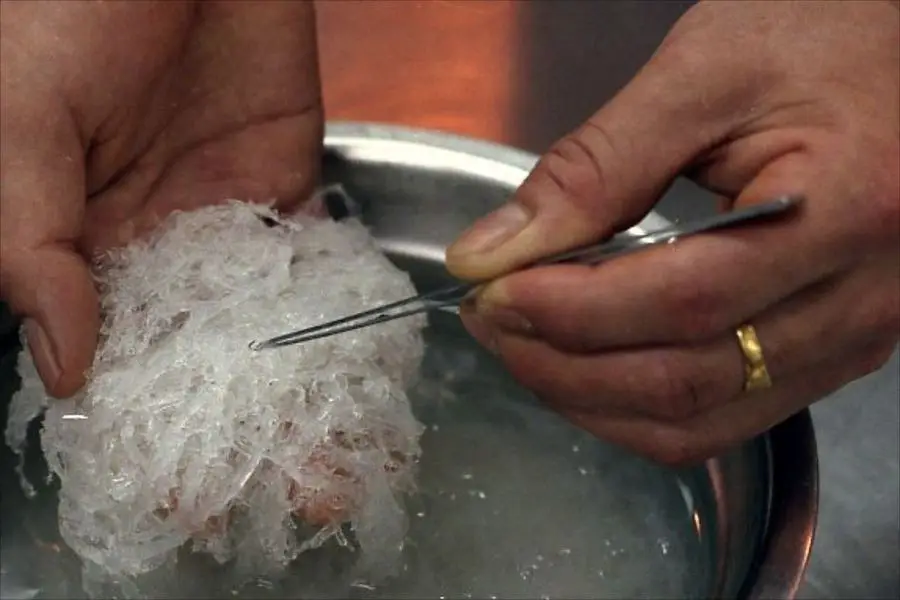
In Vietnamese cuisine, the best-known preparation is a sweet dessert: the soaked nest is gently double-boiled with sugar. Lotus seeds, ginseng, dates or saffron may be added. Nests also appear in soups and drinks. In Nha Trang shops, you will find both inexpensive small jars and gift boxes containing whole cleaned cups priced at several million dong.
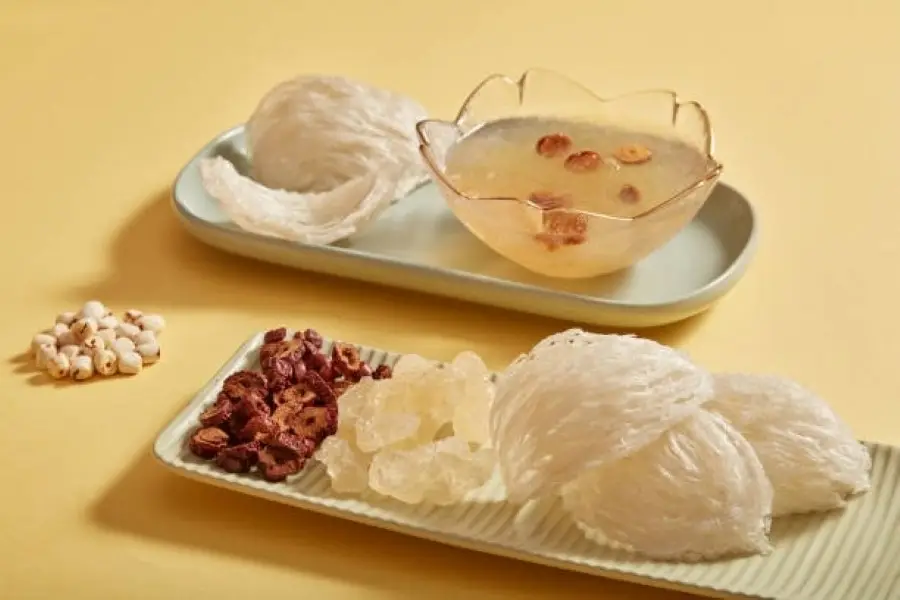
The nest itself has almost no flavour. What matters more is its soft, slightly springy texture and its reputation as a restorative food. People give nests to older relatives, patients in recovery, pregnant women and new mothers. The gift wishes them good health—and makes it clear that the giver did not economize.
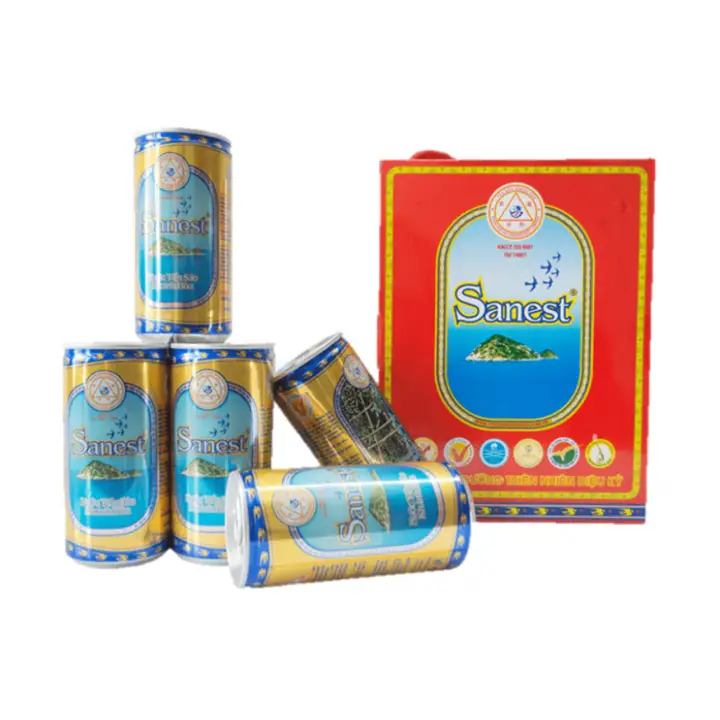
Bird’s nests are said to support the lungs and digestion, strengthen immunity and preserve youth. However, reliable human studies remain too limited to treat an ordinary serving as medicine. The product can also trigger severe allergic reactions.
The high price has several causes. A bird spends weeks building one nest. Island harvesting requires boats, safety equipment and experienced workers. Each cup is then cleaned by hand for hours. Laboratory testing, traceable origin and centuries of prestige as a luxury gift add to the cost.
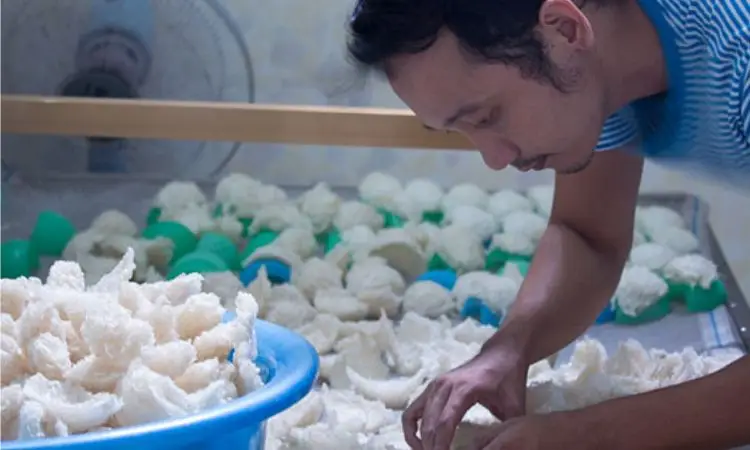
Red, or “blood,” nests have attracted especially dramatic legends. People once believed that an exhausted bird finished them with its own blood. The reddish colour may develop through chemical processes inside a cave or swiftlet house. Some nests, however, are also dyed artificially.
Ordinary white nests are counterfeited too. Gelatin, agar, egg white and other cheap ingredients may be added; nests may be bleached or made heavier with moisture. Authenticity is difficult to judge by sight alone. A producer, batch number and traceable origin help, but only laboratory analysis can establish the composition with certainty.
Where to see and taste them in Nha Trang
Nha Trang is home to the Làng Yến Mai Sinh cultural and tourism complex, often described as a bird’s-nest museum. It is located at 1 Vĩnh Châu, about three kilometres from the city centre. For more ideas nearby, see our Nha Trang guide.
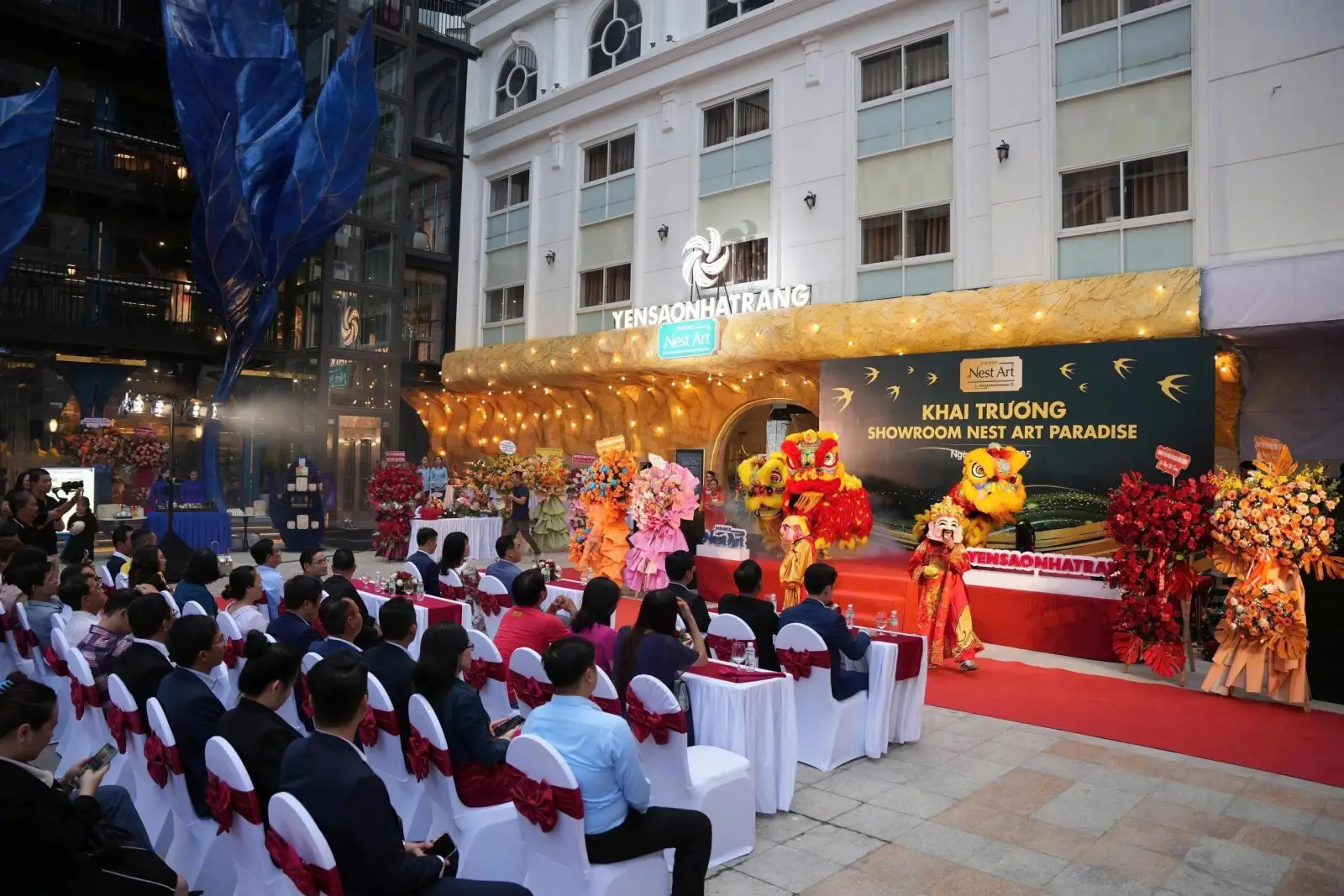
Visitors can step inside a large model cave, watch nests being cleaned by hand, see them before packaging and taste dishes made with them. There is also a shop selling drinks, ready-to-eat jars and whole cleaned nests.
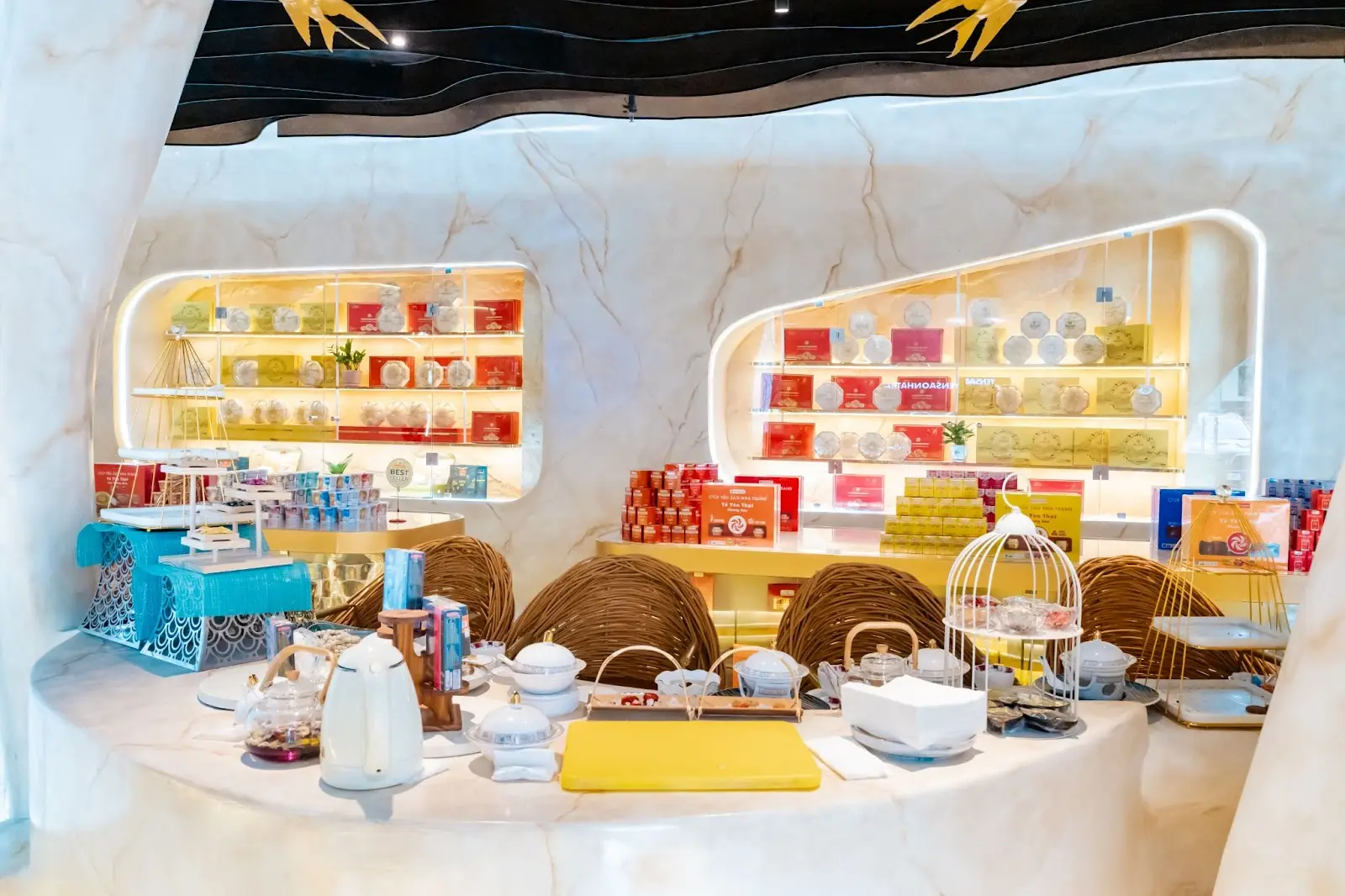
Another option is a seasonal trip to Hòn Nội Island. Independent landings are not permitted, so the island can be visited only on an organized excursion. Tours usually include an accessible nest cave, a temple dedicated to the founders of the trade and the island beach. The actual harvest may not be demonstrated.
Excursions operate when the sea is calm enough, usually from spring to early autumn. Schedules change with the weather, so confirm the date and itinerary with the operator or a Yến sào Khánh Hòa service centre before paying.
Comments
Read also
All articles
The Last Turtle of Hoan Kiem: Hanoi’s Symbol and a Legend Come to Life
How Le Loi received a magic sword, why Hanoians called the lake’s giant inhabitant the Venerable Turtle, and what became of the last of her…
Where to celebrate in Nha Trang: a tiny chef, Korean saunas and dinner on the water
Six ideas for a special day, from a memorable dinner to saunas and a lakeside picnic.
Nha Trang's Museum of Oceanography: what adults and children can see
A whale beneath a rice field, stray seals and fish with transparent bodies.
The “Long-Haired Army”: the story of Vietnam’s first female general
Women in southern Vietnam arrived at government offices with their entire families and spent weeks demanding the withdrawal of troops. One of the movement’s organisers…
No Sex, Music or Weapons: Life in the Coconut Kingdom During the War
A French education, a religion of his own and an island in the middle of the Mekong: the story of Nguyễn Thành Nam and the…
Nha Trang Rock Garden: legends and a seaside walk
A giant paw print and two rocks said to be lovers turned to stone.