What to eat in Vietnam beyond phở: a regional food guide
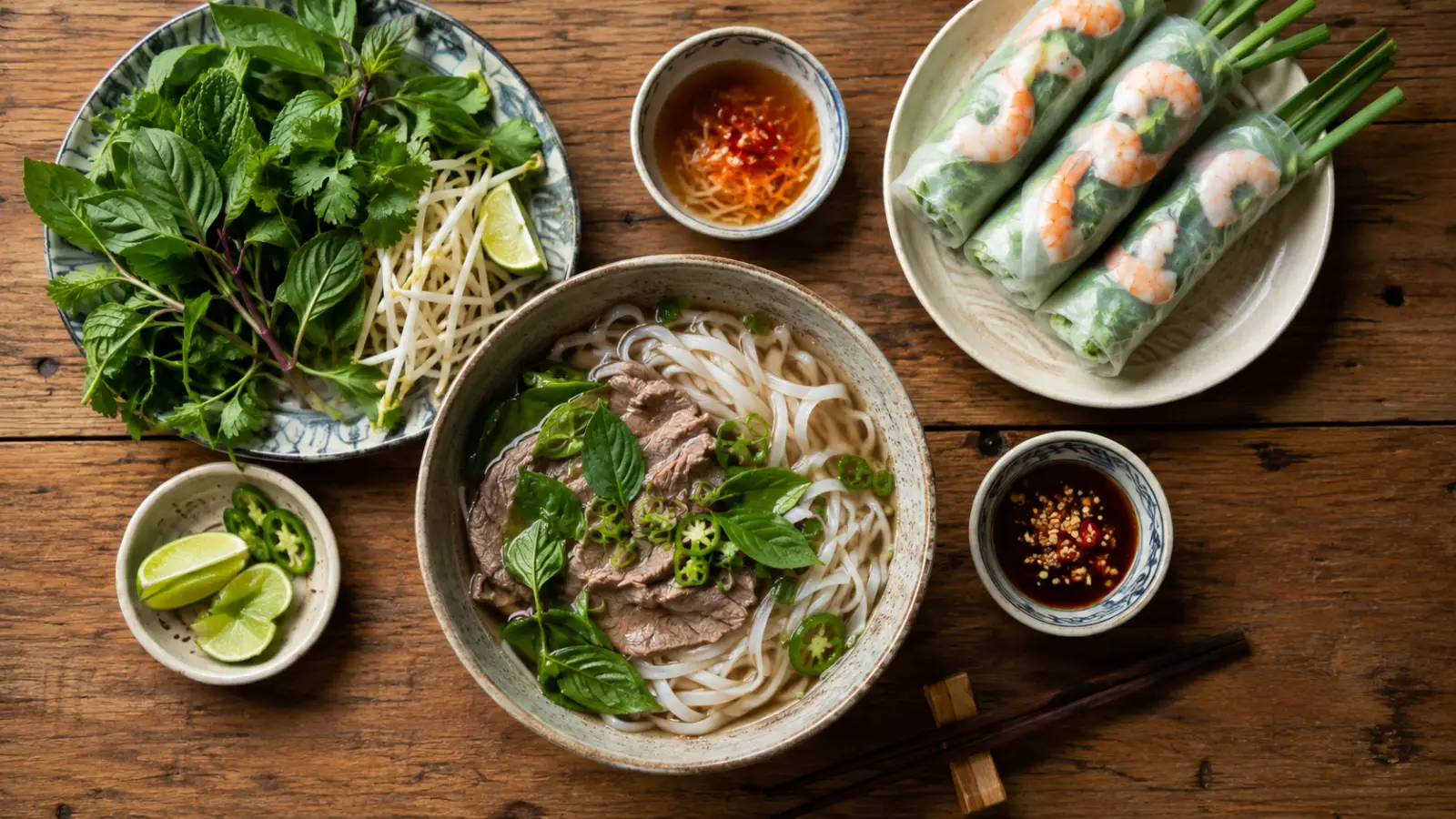
Pho is the Vietnamese dish best known outside the country, but judging Vietnamese cuisine by pho alone is a bit like judging Italian food only by pizza.
Food changes noticeably from one region of Vietnam to another. In the north, flavours are often more restrained. Central Vietnam is known for richer broths, stronger seasoning, and many highly local dishes. In the south, food is often sweeter, with more fresh herbs and a wider variety of accompaniments.
If your trip is short, there is no need to try everything. A few well-chosen dishes will tell you much more about Vietnamese cuisine than a long checklist of supposedly essential food stops.
What to try first
| Dish | Where it is especially worth trying | What it is |
|---|---|---|
| Bún chả | Hanoi | Charcoal-grilled pork, rice noodles, herbs, and a sweet-and-sour dipping sauce |
| Bánh cuốn | Hanoi and northern Vietnam | Thin steamed rice rolls, usually filled with pork and mushrooms |
| Bún bò Huế | Huế | Rich, spicy noodle soup with thick rice noodles and meat |
| Mì Quảng | Da Nang, Quang Nam, Hoi An | Wide noodles with a small amount of concentrated broth, meat or seafood, herbs, and crunchy toppings |
| Cao lầu | Hoi An | Firm, chewy noodles with pork, herbs, and a small amount of sauce |
| Cơm tấm | Ho Chi Minh City and southern Vietnam | Broken rice, usually served with grilled pork, egg, vegetables, and fish sauce |
| Bánh xèo | Central and southern Vietnam | Crispy rice-flour pancake filled with meat, shrimp, sprouts, or other ingredients, eaten with herbs and dipping sauce |
| Gỏi cuốn | Throughout Vietnam, especially in the south | Fresh rice-paper rolls with herbs, noodles, and a filling |
| Bánh mì | Throughout Vietnam | Crispy baguette filled with meat, pâté, egg, vegetables, herbs, and sauces |
| Chè | Throughout Vietnam | A broad family of sweet desserts made with beans, jelly, fruit, coconut, sticky rice, and ice |
Every dish has many variations. The filling, amount of meat, herbs, dipping sauce, and even the way the dish is served may differ noticeably between two neighbouring places. That is a normal part of Vietnamese food culture, not a sign that one of them is making the dish “wrong”.
The north: bún chả, bánh cuốn, and more restrained flavours
In Hanoi, after pho, I would start with bún chả.
Rice noodles are served separately, together with plenty of fresh herbs and a bowl of sweet-and-sour dipping sauce containing grilled pork and small pork patties. You add small portions of noodles and herbs to the bowl as you eat.
The sauce brings the whole dish together: sweetness, acidity, fish sauce, grilled meat, and fresh herbs all work as one combination.
Another classic breakfast option is bánh cuốn. These are very thin sheets made from rice flour, steamed and rolled around a filling. A traditional version often contains minced pork and wood-ear mushrooms. Fried shallots are usually added on top, with herbs and dipping sauce on the side.
In texture, bánh cuốn is almost the opposite of fried street food. The rolls are soft and delicate, while most of the flavour comes from the filling, fried shallots, and nước chấm dipping sauce.
Northern Vietnam is also a good place to try xôi, or sticky rice. It can be savoury, with meat, pâté, egg, or other toppings, or sweet. So the word xôi alone does not tell you exactly what you are ordering. It is better to look at what is on display or ask about the toppings.
Central Vietnam: bún bò Huế, mì Quảng, and cao lầu
Central Vietnam offers several dishes that feel completely different from pho.
Bún bò Huế is one of the best known. It is a hot, rich, usually spicier soup with thick rice noodles. Lemongrass, spices, and other strong flavours are noticeable in the broth. Traditionally, the base is made with meat and bones, and recipes may include fermented fish or shrimp paste.
Despite the word bò, meaning beef, the bowl is not always limited to beef. If you do not eat pork or certain meat products, it is better to ask about the ingredients in advance.
Mì Quảng looks like a noodle soup, but there is very little liquid. Wide noodles are served with a concentrated broth or sauce, meat, chicken, or seafood, plenty of herbs, and crispy rice crackers. Peanuts are also commonly added.
It is better to think of mì Quảng as its own type of dish rather than another variation of noodle soup.
In Hoi An, try cao lầu. It uses dense, springy noodles served with pork, fresh herbs, bean sprouts, and crunchy elements, with very little liquid.
Cao lầu is strongly associated with Hoi An and is much less common elsewhere, which makes it especially worth trying there.
The south: cơm tấm, bánh xèo, and fresh rolls
One of the most characteristic everyday dishes in Ho Chi Minh City is cơm tấm, literally “broken rice”.
The most familiar version is a plate of rice with a grilled pork chop. It may also include an egg, pickled vegetables, cucumber, scallion oil, and sweet-and-salty fish sauce.
This is simple everyday food rather than a restaurant showpiece, which is exactly why cơm tấm gives a good sense of ordinary city eating.
Bánh xèo is very different. A thin rice-flour batter is poured onto a hot pan and cooked until crisp. The filling usually includes bean sprouts, pork, shrimp, or other ingredients.
A large bánh xèo is not eaten whole like a European-style pancake. You tear or cut off a piece, add herbs and leaves, sometimes rice paper, wrap it up, and dip it in sauce.
Recipes differ significantly between central and southern Vietnam, so bánh xèo in Da Nang and Ho Chi Minh City can look and taste almost like two different dishes.
A lighter option is gỏi cuốn, fresh rice-paper rolls. They usually contain rice noodles, herbs, and a filling such as shrimp and pork. Tofu versions are also common.
They are not fried, so their taste and texture are completely different from fried spring rolls.
Bánh mì: the easiest snack
Bánh mì is easy to find almost anywhere in Vietnam.
The base is a small crispy baguette, but the filling can vary enormously. Common ingredients include pâté, pork, sausage, egg, pickled carrot and daikon, cucumber, coriander, chilli, and different sauces.
That makes bánh mì more of a food format than a single fixed recipe.
A few useful names:
- bánh mì thịt — with meat;
- bánh mì trứng — with egg;
- bánh mì chay — vegetarian.
Even the word chay does not always answer every question about sauces, pâté, or preparation. If a particular ingredient matters to you, it is better to mention it specifically.
Bánh mì works well for breakfast, a quick lunch, or food on the road. It is also one of those foods worth trying in different cities, because fillings and sauces vary considerably.
What about dessert
Vietnamese desserts are often very different from European pastries.
The main word to remember is chè. It does not refer to one single dessert, but to a whole category. One bowl may contain beans, jelly, sticky rice, fruit, coconut milk, syrup, and ice.
Some versions of chè are thick and almost pudding-like. Others are closer to a cold sweet soup or drink.
A popular example is chè ba màu, or “three-colour dessert”, usually made with several layers of beans, jelly, coconut milk, and ice.
Another familiar dessert is bánh flan, the local version of caramel custard. Some places serve it with ice, condensed milk, or coffee.
There is also sweet xôi, sticky rice with coconut, beans, sesame, fruit, or other toppings.
In Vietnamese desserts, texture is often just as important as sweetness: soft beans may be combined with chewy jelly, ice, thick coconut milk, and sticky rice in the same bowl.
What to drink besides coffee
Vietnamese coffee deserves a guide of its own, but there are plenty of non-coffee options as well.
Nước mía is fresh sugarcane juice. It is usually pressed in front of you, sometimes with a little lime or calamansi added. It is naturally very sweet.
Nước dừa is young coconut water. Sometimes, once you finish drinking it, the coconut is cut open so you can eat the soft flesh.
Sinh tố is a fruit smoothie. Mango, avocado, passion fruit, and other tropical fruits are common, but sugar or condensed milk is often added. If you want less sugar, ask for ít đường.
Trà tắc is iced tea with calamansi, while trà chanh is tea with lemon. Both are usually quite sweet.
How to order in a small local eatery
Many small Vietnamese places specialise in only one or a few dishes. A short menu is often a good sign rather than a problem.
If the menu is difficult to understand, the easiest option is to look at what is being prepared and what other customers are ordering. You can point to a dish and say how many portions you want.
A few useful phrases:
| English | Vietnamese |
|---|---|
| One portion | Một phần |
| Two portions | Hai phần |
| No meat | Không thịt |
| No fish sauce | Không nước mắm |
| Less sweet | Ít ngọt |
| No ice | Không đá |
| Is this spicy? | Món này có cay không? |
| I am allergic to… | Tôi bị dị ứng với… |
If the price is not displayed, it is sensible to ask before ordering, especially if extra seafood, meat, or other additions are being offered.
If you are vegetarian or have dietary restrictions
For vegetarian food, the useful word is chay. Signs saying cơm chay usually indicate places serving vegetarian meals.
However, the absence of visible meat does not necessarily mean a dish meets every dietary restriction. Fish sauce or meat-based stock may still be used in sauces and broths.
If you have a serious allergy, do not rely only on one memorised phrase. Show the exact allergen in Vietnamese and make sure the person taking your order understands the question.
Be especially careful with:
- peanuts;
- sesame;
- fish and fish sauce;
- shrimp and other seafood;
- eggs;
- dairy products.
If you cannot confirm the ingredients with confidence, choosing another dish or another place is safer.
How to choose a good place
Street food is an important part of travelling in Vietnam, but a famous cart on the pavement is not automatically a guarantee of quality.
A few simple signs help.
Look at whether there are plenty of local customers and whether food is being prepared constantly. At a busy place, ingredients are less likely to sit around for hours.
Pay attention to the work surface, utensils, and how ingredients are stored. You do not need restaurant-level sterility, but basic cleanliness is easy to notice.
For many small places, specialising in one dish is completely normal. A vendor who spends the whole day making only bánh cuốn or bún chả may be more interesting than a restaurant with a several-page menu covering every cuisine in Vietnam.
Most importantly, try dishes where they are genuinely popular. Bún chả makes sense in Hanoi, cao lầu in Hoi An, and bún bò Huế in Huế. Not because these dishes cannot be found elsewhere, but because regional food is usually more interesting in its natural setting.
What food to bring home
The easiest food souvenir is something factory-sealed with a clear ingredient list.
Common choices from Vietnam include:
- coffee;
- tea;
- spices;
- dried fruit;
- sweets;
- nuts and other packaged foods.
Fresh food, meat products, fruit, homemade sauces, and liquids may be restricted by the destination country.
Check import rules before buying rather than at the airport customs desk.
What to try if you have very little time
If this is your first trip and you want a good overview of Vietnamese food without turning the trip into a food marathon, I would choose a few very different dishes rather than ten similar bowls of noodle soup.
In the north — bún chả and bánh cuốn.
In central Vietnam — bún bò Huế or mì Quảng, and in Hoi An definitely cao lầu.
In the south — cơm tấm and bánh xèo.
For a quick snack — a good bánh mì.
For dessert — any chè that looks interesting.
That is already enough to see the main point: Vietnamese cuisine is not built around pho alone. Rice and noodles change constantly, as do cooking methods, meats, the amount of broth, herbs, sauces, sweetness, heat, and texture.
And those regional differences are what make Vietnamese food much more interesting than any list of “10 must-try dishes in Vietnam”.
Sources: Vietnam Tourism — materials on Vietnamese street food, the regional cuisines of Hanoi, Huế, Da Nang, Hoi An, and Ho Chi Minh City, as well as guides to traditional Vietnamese dishes.
Comments
Read also
All articles
Vietnamese Coffee: How a French Import Became a National Habit
How coffee arrived in Vietnam, why the country became the world’s second-largest exporter, which drinks to order, and where to try the best coffee in…

How to Pay in Vietnam in 2026: Cards, VietQR, Cash, ATMs and Currency Exchange
Vietnam is increasingly cashless, but cash is still useful, international cards are not accepted everywhere, and QR payments are now common even at very small…

Entering Vietnam in 2026: Visa-Free Travel, e-Visa and Entry Requirements
Vietnam entry rules for 2026: who can travel visa-free, when to apply for an e-Visa, and which documents to check before departure.
How to Find What You Need in Vietnam: Why Post a “Demand” Listing
When you need to find an item, a place to live, a tradesperson or a service in Vietnam, the first reaction is usually obvious: open…

From Mivina to Vinpearl: How a Billionaire from Kharkiv Changed Vietnam
Can instant noodles make you enough money to build your own Disneyland on a tropical island? Pham Nhat Vuong went from trading in Moscow and…
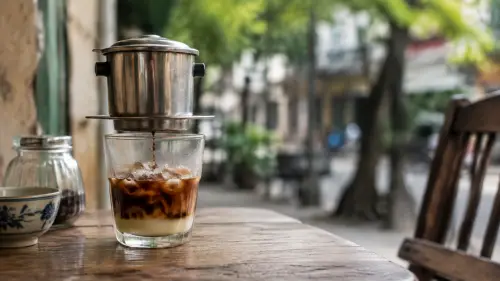
Vietnamese coffee: what to order and how to understand café culture
Phin, essential drinks, ordering language, city clues and a practical way to explore Vietnamese coffee.