Vietnamese Coffee: How a French Import Became a National Habit
Vietnam today is almost impossible to imagine without coffee: people drink it on tiny plastic stools by the road, during business meetings and over long evenings in cafés. Yet fewer than two hundred years ago there were no coffee plantations here at all.
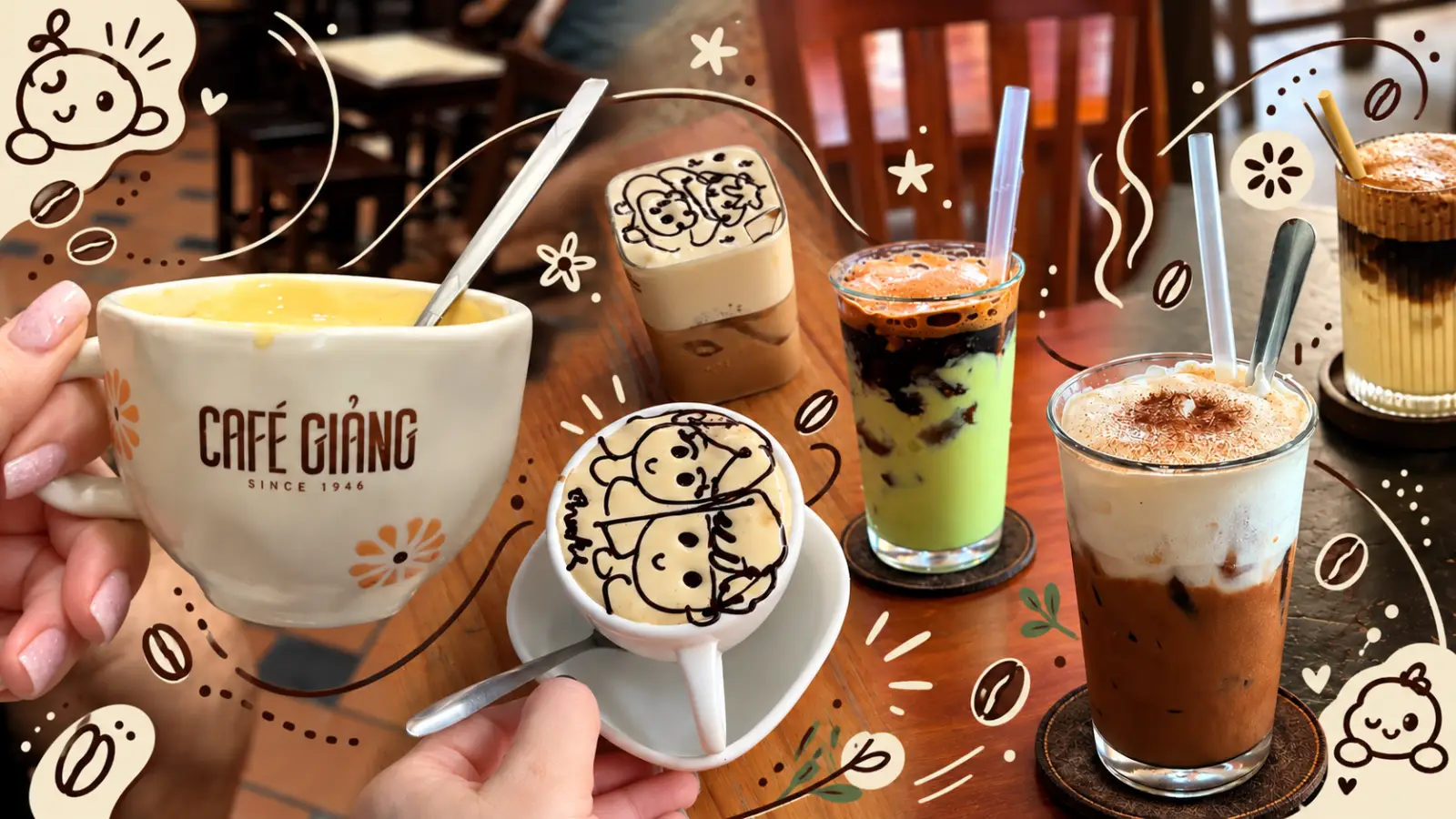
A foreign drink became a national habit, and Vietnam became the world’s second-largest coffee exporter. The local cup, however, is nothing like the coffee once drunk by the French. Vietnamese drinkers rebuilt it around robusta, a phin filter, condensed milk, ice and dessert-like creams.
For a practical introduction to the drinks themselves, see our guide to what to order and how to understand Vietnamese café culture.
How coffee arrived in Vietnam
By the mid-nineteenth century coffee had been part of French city life for generations, but coffee trees could not grow in France’s climate. In 1857 French Catholic priests planted the first arabica trees beside churches in northern Vietnam to see whether the crop would take root.
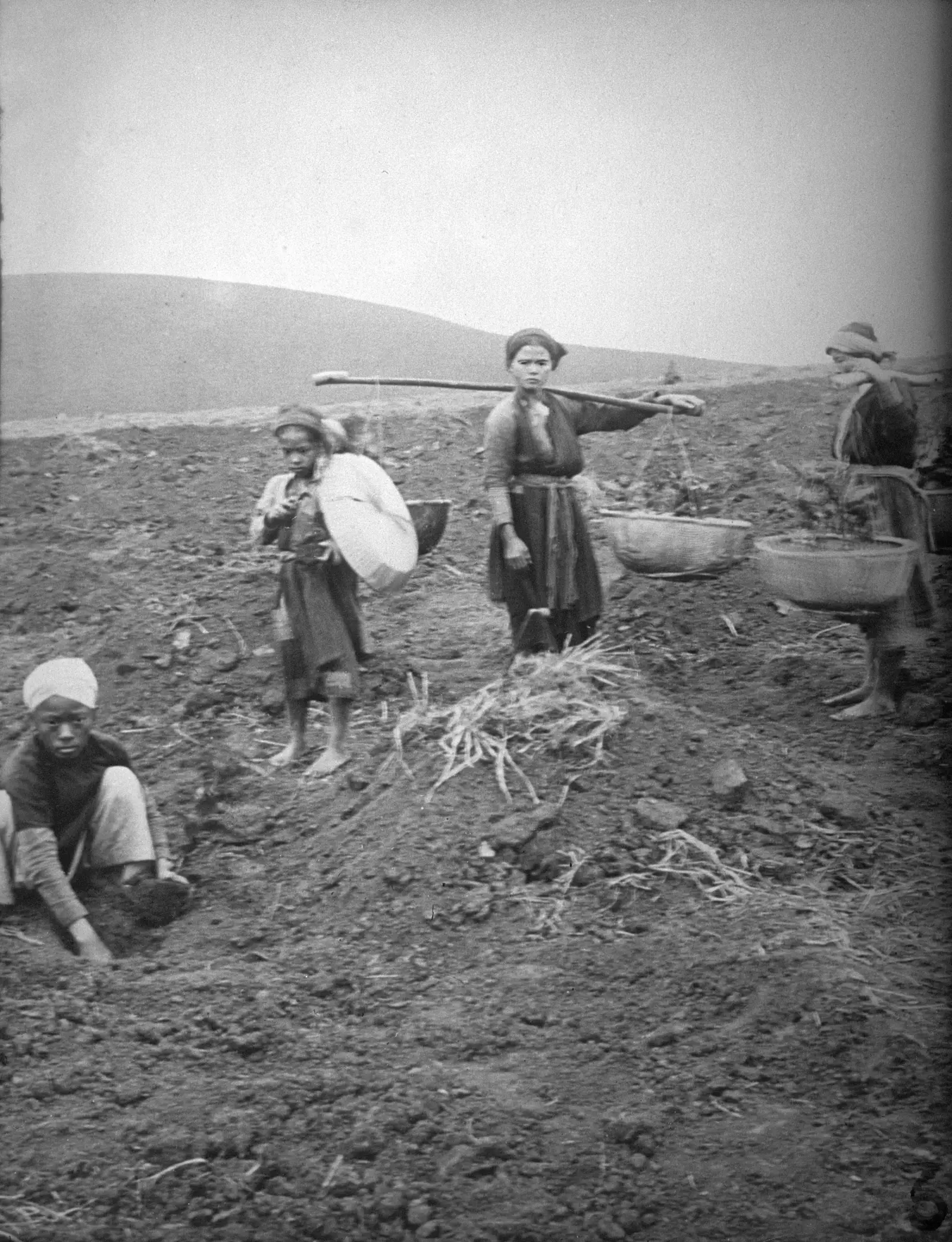
The first attempts were disappointing. Trees grew but produced little: one plantation reportedly harvested only 250 kilograms from tens of thousands of trees. The experiment continued, and in 1908 robusta arrived. It tolerated heat and disease better, produced more beans and did not need arabica’s cool high-altitude conditions.
Robusta thrived in the Central Highlands. From the 1920s, plantations expanded, coffee became a serious export business, and the drink gradually moved from European hotels and restaurants into local urban life.
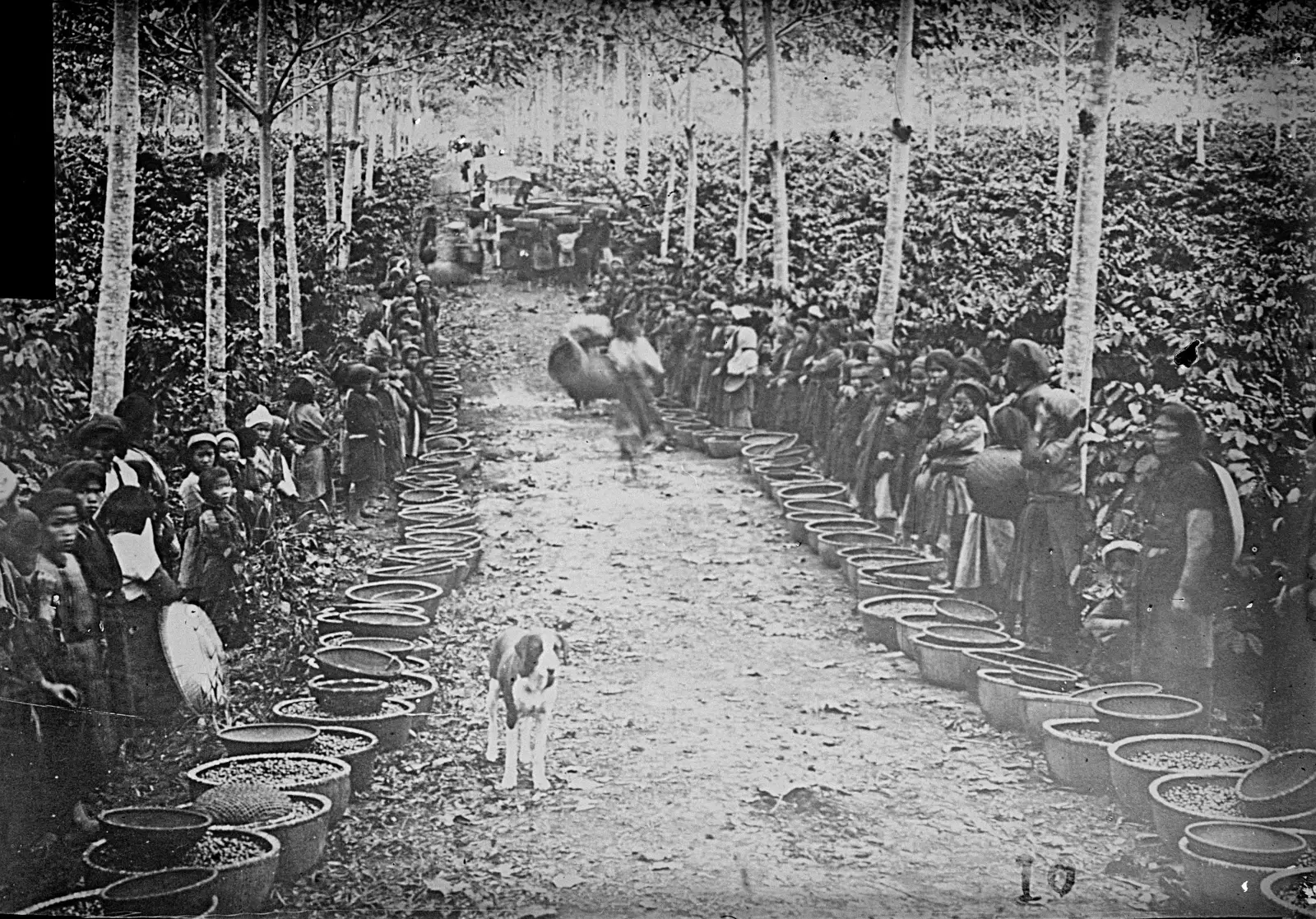
Where Vietnamese coffee is grown and why exports became so large
The Central Highlands are the heart of the industry, especially Đắk Lắk, Lâm Đồng, Đắk Nông, Gia Lai and Kon Tum. Buôn Ma Thuột is widely called Vietnam’s coffee capital. Volcanic red soil, steady warmth and clear wet and dry seasons give coffee trees rain for growth and dry weather for ripening and harvest.
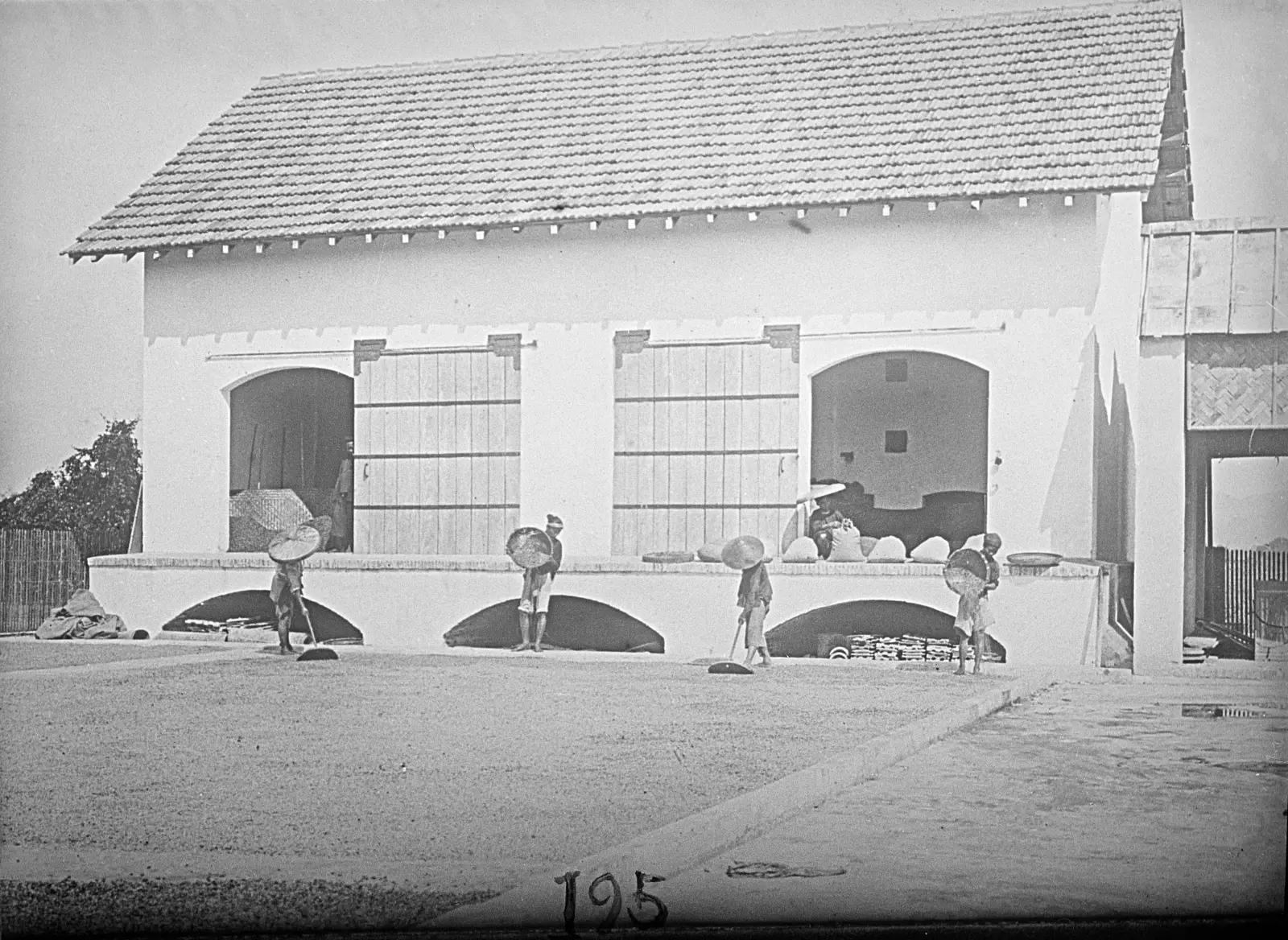
These conditions suit robusta especially well. It yields heavily and needs less altitude and cool weather than arabica. For the 2025/26 season, the US Department of Agriculture forecast robusta at about 96 percent of Vietnamese production. Arabica is grown on a smaller scale around Đà Lạt and in Sơn La.
Economic reforms gave farming families control over their harvests and earnings. The state supplied land, credit, seedlings, fertilizer and irrigation, while families moved into the Central Highlands and opened new farms. At the same time, global demand rose for affordable robusta used in instant coffee and mass-market blends.
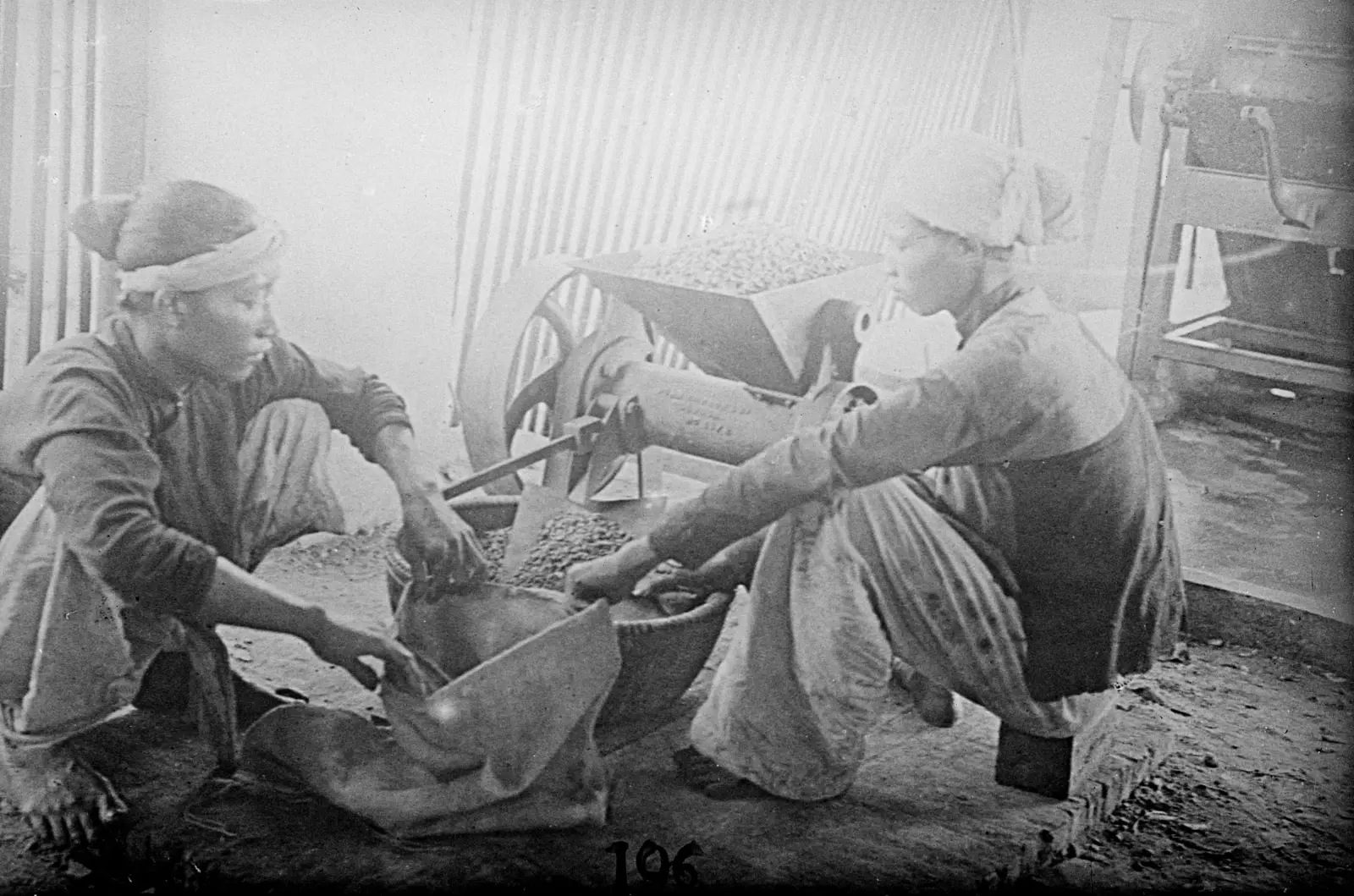
The system reinforced itself: farmers earned more by growing more, public support expanded production, and exporters bought beans from hundreds of thousands of small farms. Within a few decades Vietnam became the second-largest coffee exporter after Brazil.
Why Vietnamese coffee is not for everyone
Many visitors never notice how bitter the local coffee can be because they order it with condensed milk, sugar or coconut cream. If you normally drink black coffee and pay attention to the bean and roast, the first cup can feel as though the beans were burned to ash and then roasted once more for luck.
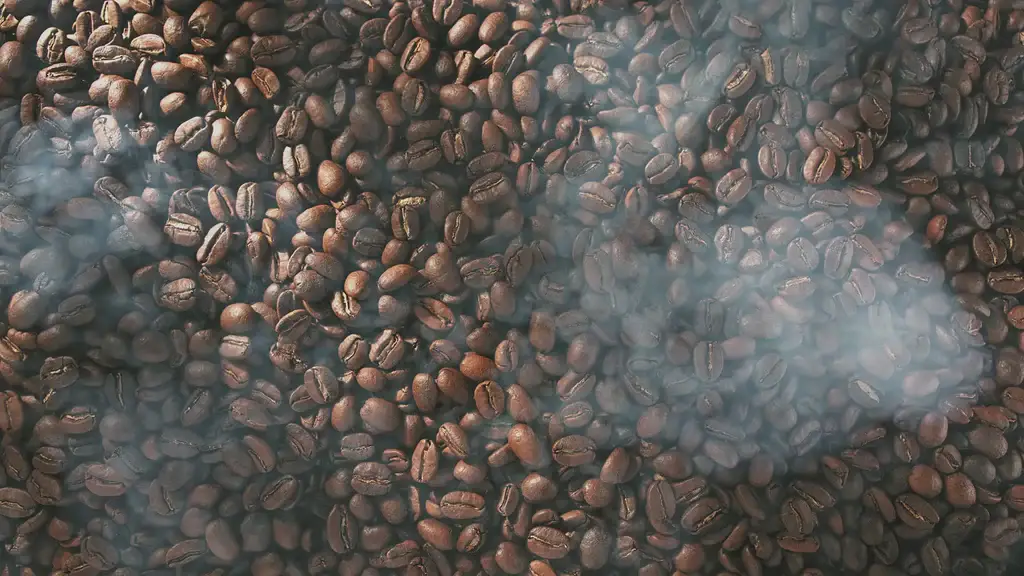
The roast is only part of the story. Robusta is naturally more bitter than arabica and contains nearly twice as much caffeine, so even a small serving can be extremely strong.
Condensed milk entered the recipe for practical reasons. The French were used to milk in coffee, but fresh cow’s milk was scarce and spoiled quickly without refrigeration. A sealed tin could travel far and keep for months. The substitute worked so well that it became a tradition: bitter robusta, thick sweetness and ice make a drink that some people love and others see as dessert.
One bad cup does not represent the entire culture. Vietnam also has carefully roasted robusta, local arabica and modern specialty cafés using lighter roasts.
Popular Vietnamese coffee drinks
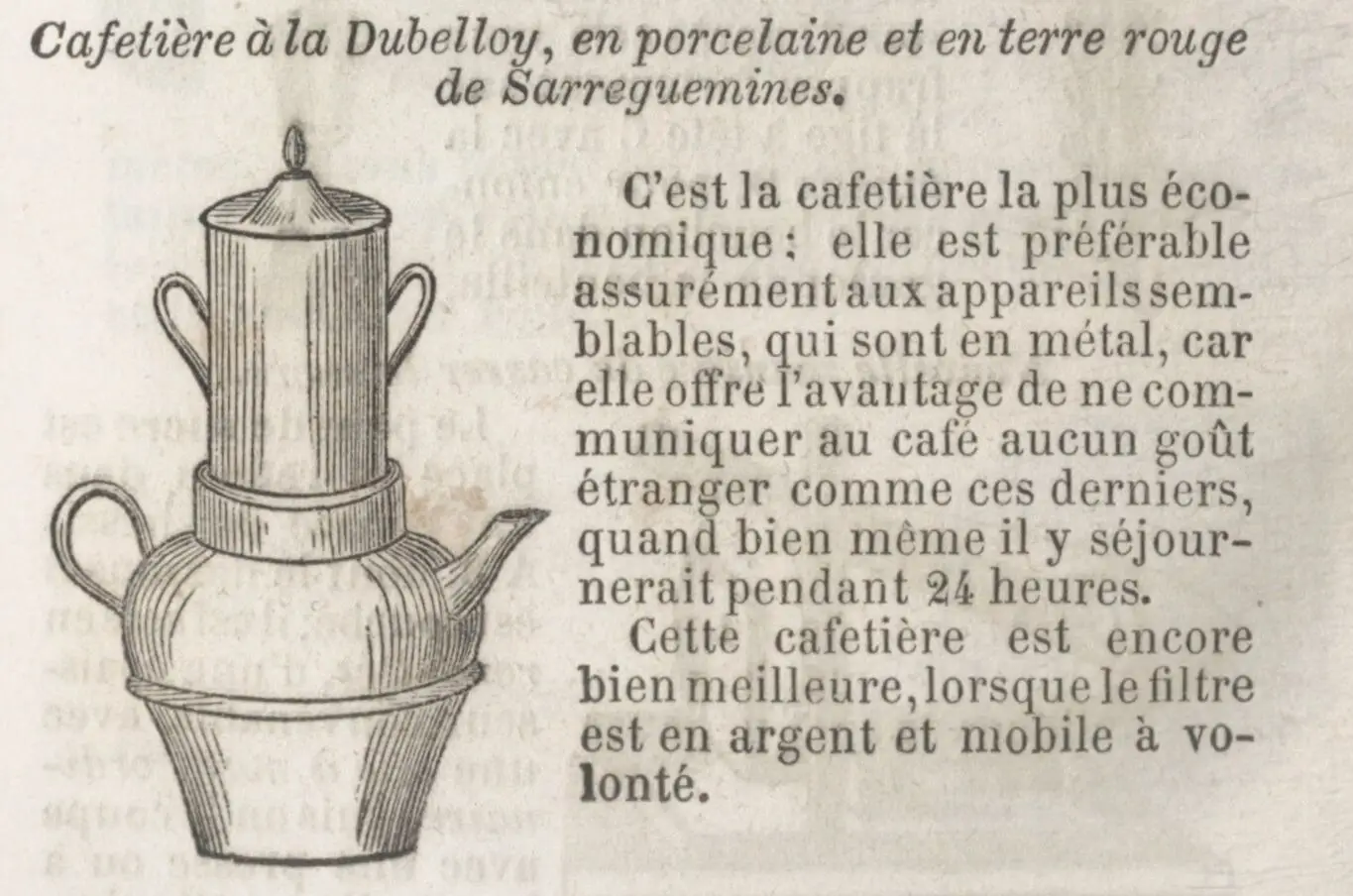
The French brought metal drip coffee makers. Vietnam simplified the design by placing the filter directly on the cup, creating the modern phin: cheap, compact and independent of electricity or paper filters. The name is often linked to the French word filtre.
Cà phê đen — black coffee
The reference cup: strong black robusta, served hot or over ice. If it is iced, the word đá appears in the name. “Simple” does not mean mild.
Cà phê sữa đá — iced coffee with condensed milk
Phin coffee drips onto condensed milk, is stirred and poured over ice. In southern Vietnam it is called cà phê sữa đá; in the north you may see nâu đá, “brown with ice.”
Bạc xỉu — white coffee
Here the proportions are reversed: milk is the base and only a little coffee is added. The drink grew out of Saigon’s Chinese quarter, and its Cantonese-derived name roughly means a white glass with a small amount of coffee. Think of it as a very sweet old-Saigon latte.
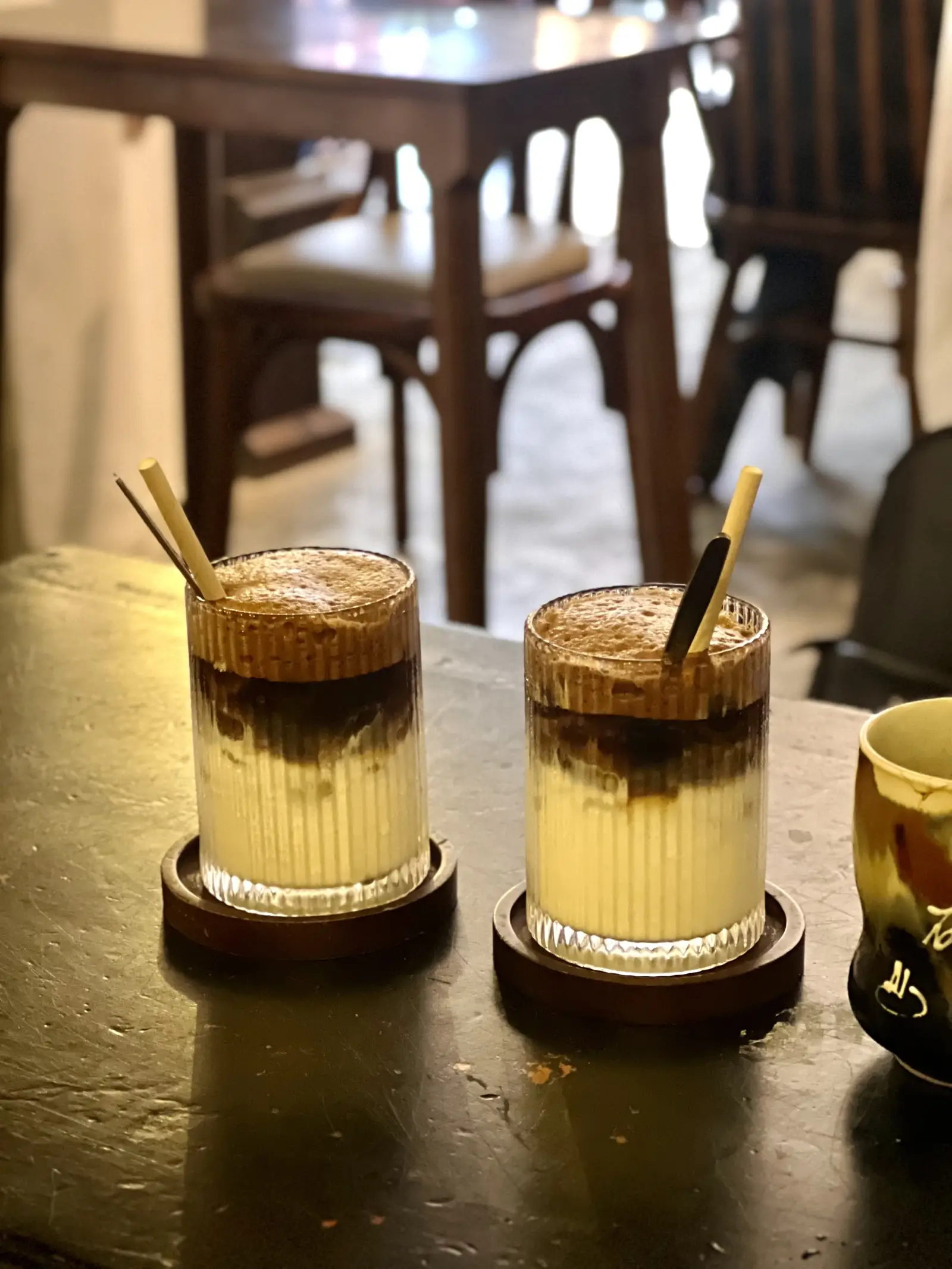
Cà phê trứng — egg coffee
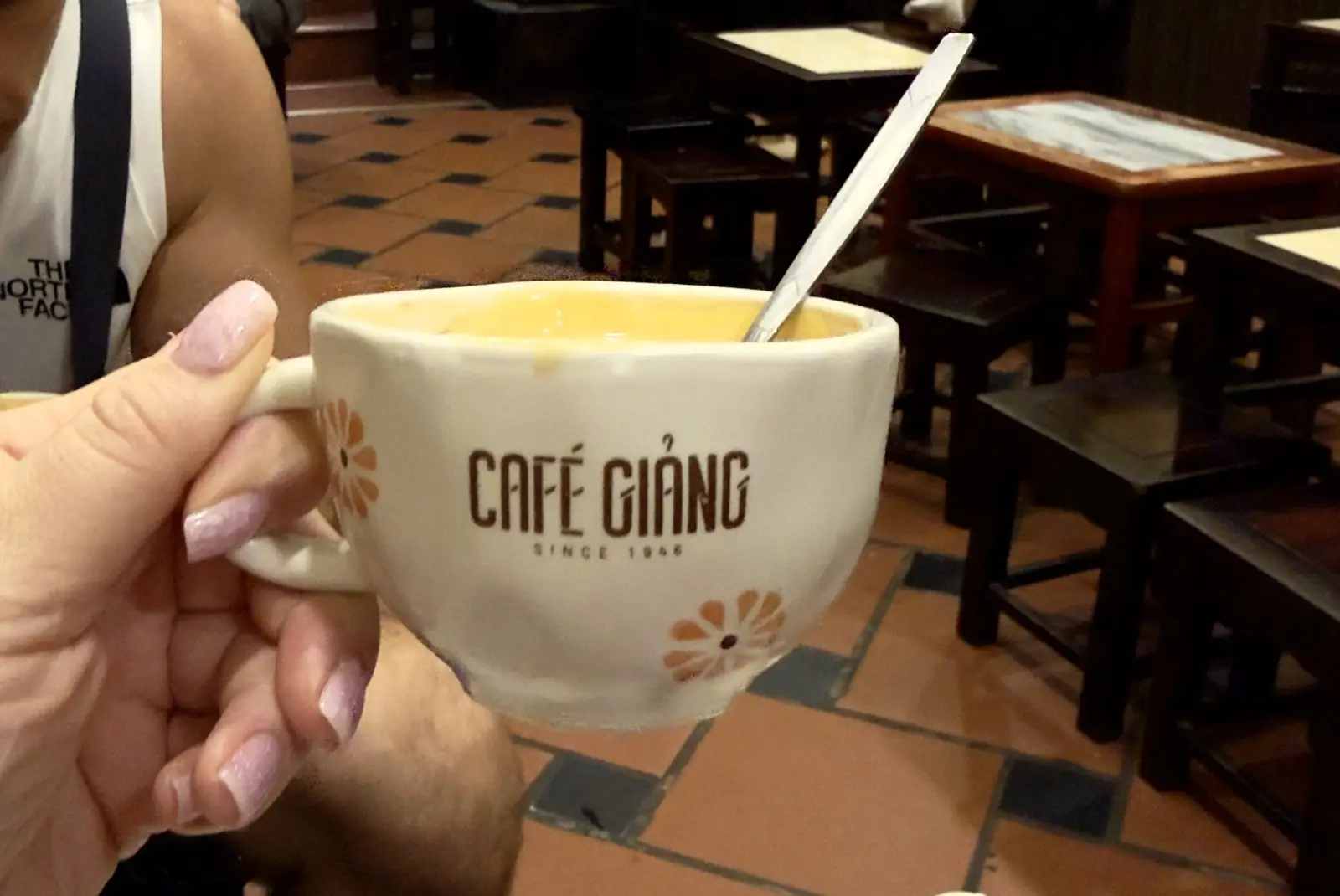
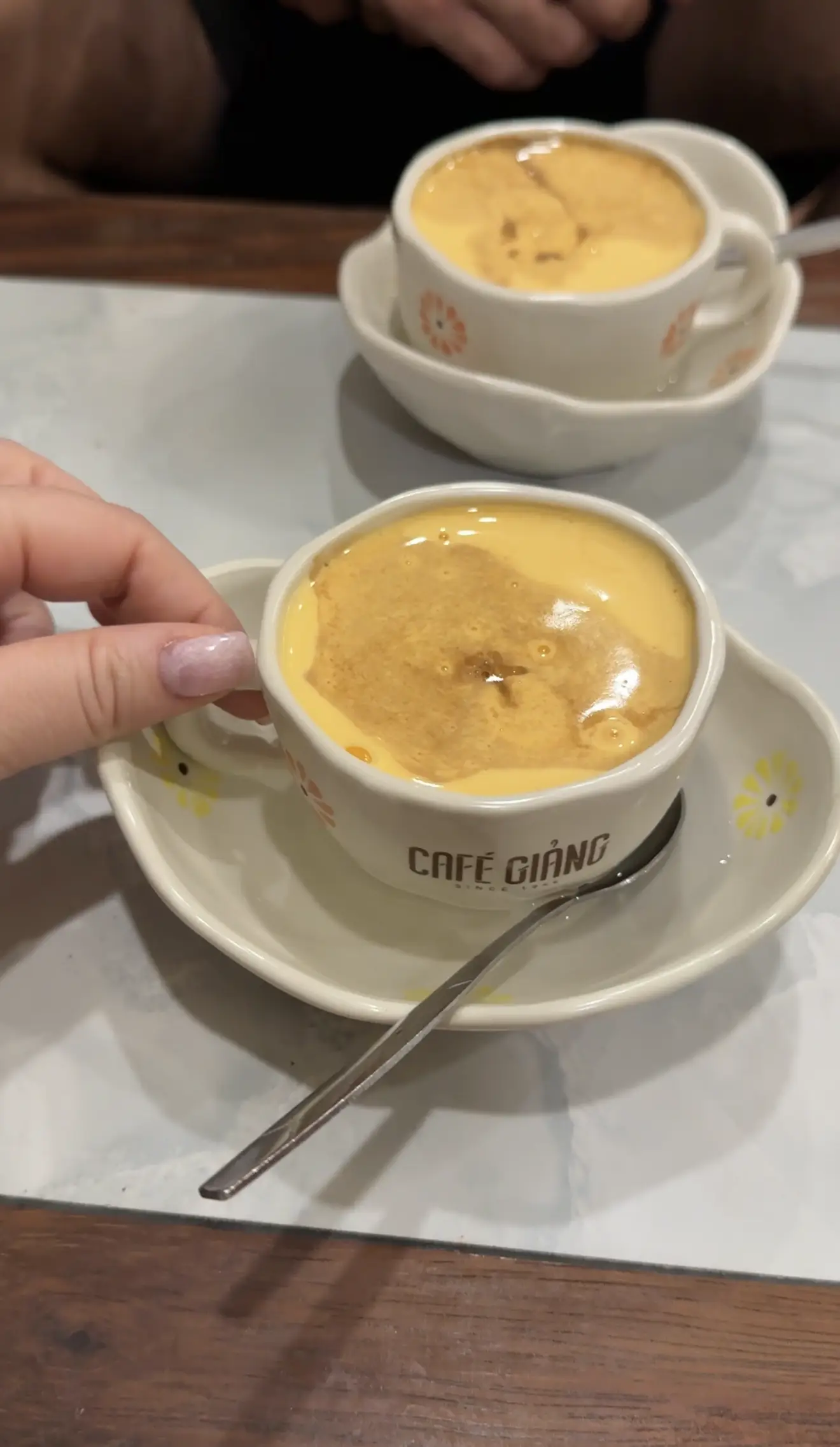
Egg coffee appeared in Hanoi in 1946, when milk was scarce. Nguyễn Văn Giảng of the Metropole hotel replaced milk with egg yolk whipped with sugar. The result resembles liquid tiramisu: strong coffee below and warm, sweet cream above. His Café Giảng still serves it in Hanoi’s Old Quarter.

Cà phê cốt dừa — coconut coffee
This is a modern classic rather than an ancient recipe. Cold coffee is blended with coconut milk or cream, condensed milk and crushed ice, landing somewhere between coffee, ice cream and a coconut smoothie. The Hanoi chain Cộng Cà Phê helped make it famous nationwide.
Cà phê muối — salt coffee
A couple in Huế created salt coffee in 2010 for their small café. A little salt does not make the drink taste salty; it softens bitterness and makes the sweet cream brighter, much like salted caramel. The original Cà Phê Muối café still operates in Huế.
Kopi luwak in Vietnam: how it is made and whether to try it
Kopi luwak began in Indonesia under Dutch colonial rule. According to the best-known story, plantation workers who were forbidden to take beans home collected undigested beans from palm-civet droppings, washed, dried and roasted them. Fermentation inside the animal changes the bean, although coffee lovers still argue about whether it improves the taste.
What began as a drink made by poor workers became one of the world’s most expensive coffees. In Vietnam it is called cà phê chồn, “weasel coffee,” although the animals are palm civets.
The romantic story has a dark side. Wild supply cannot meet demand, so civets are often trapped, caged and force-fed coffee cherries. Claims that a tourist-farm product is wild or ethical are difficult to verify, and cheap souvenir packs may contain ordinary coffee, a tiny amount of real luwak or flavored beans.
Animal-free fermentation can reproduce a similar process with enzymes and bacteria. If you want to try luwak, one cup may be worthwhile for the story, but a high price does not guarantee Vietnam’s best coffee.
What and where to try: my recommendations
The first five places are in Nha Trang; the Hanoi recommendations are for egg coffee.
Avocado coffee at Moka Cafe, Nha Trang
Creamy, lightly nutty and unusual. Avocado is commonly used in Vietnamese desserts, but the combination will not suit everyone. Moka Cafe, 100 Hùng Vương.
Open in Google Maps
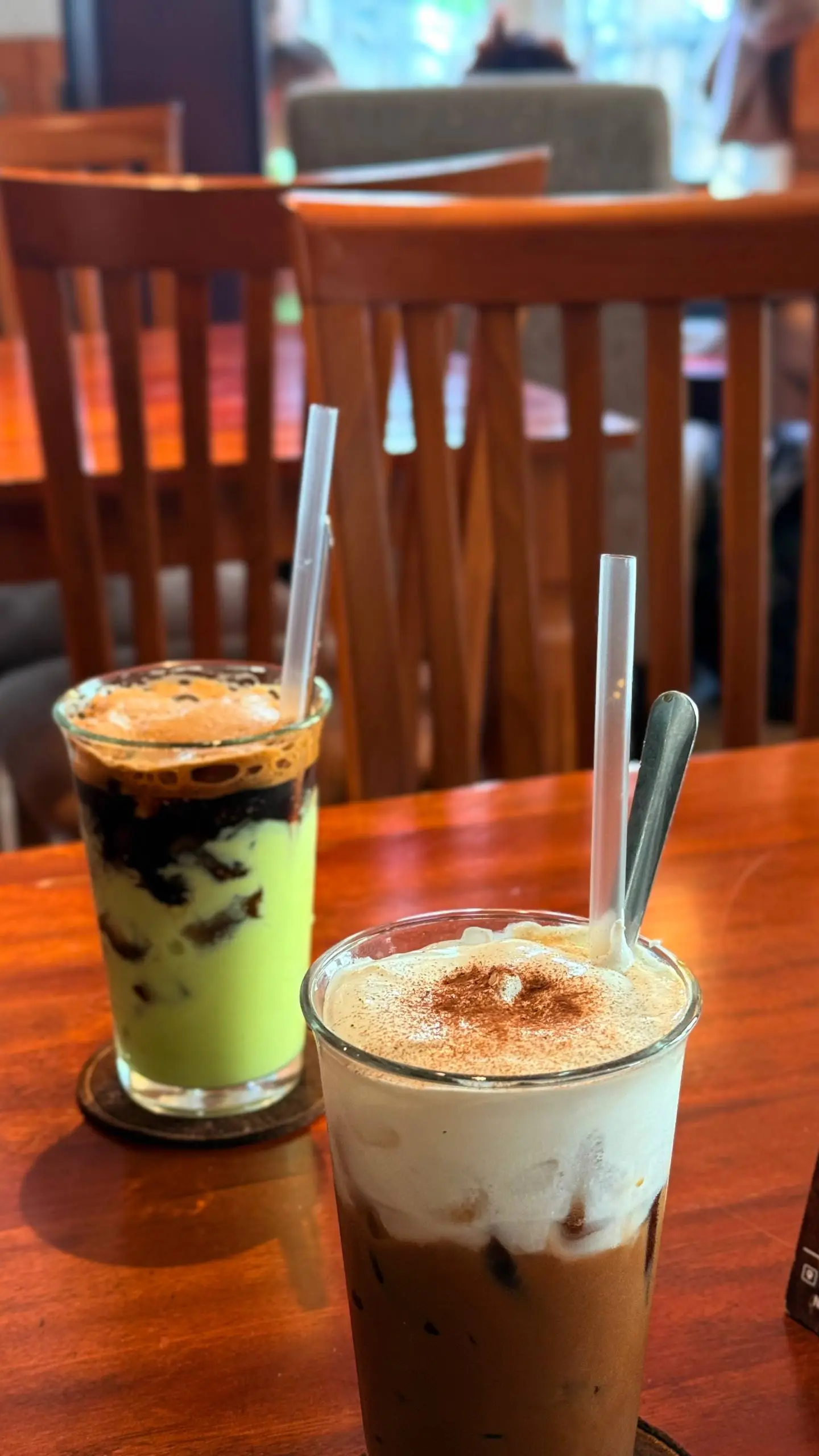
Coconut coffee at Trung Nguyên Legend, Nha Trang
Almost an ice cream: coffee, coconut milk, condensed milk, crushed ice and pandan aroma, with the most dramatic presentation in this list. 44–46 Lê Thánh Tôn.
Open in Google Maps
Classic phin coffee at Mango Coffee, Nha Trang
Choose cà phê sữa for a stronger condensed-milk coffee or bạc xỉu for a softer, milkier cup. Mango Coffee, 9 Hùng Vương.
Open in Google Maps
Salt coffee at Là Việt Coffee, Nha Trang
Strong coffee under thick lightly salted cream: sweet, savory and dangerously addictive. 8 Lê Lợi.
Open in Google Maps
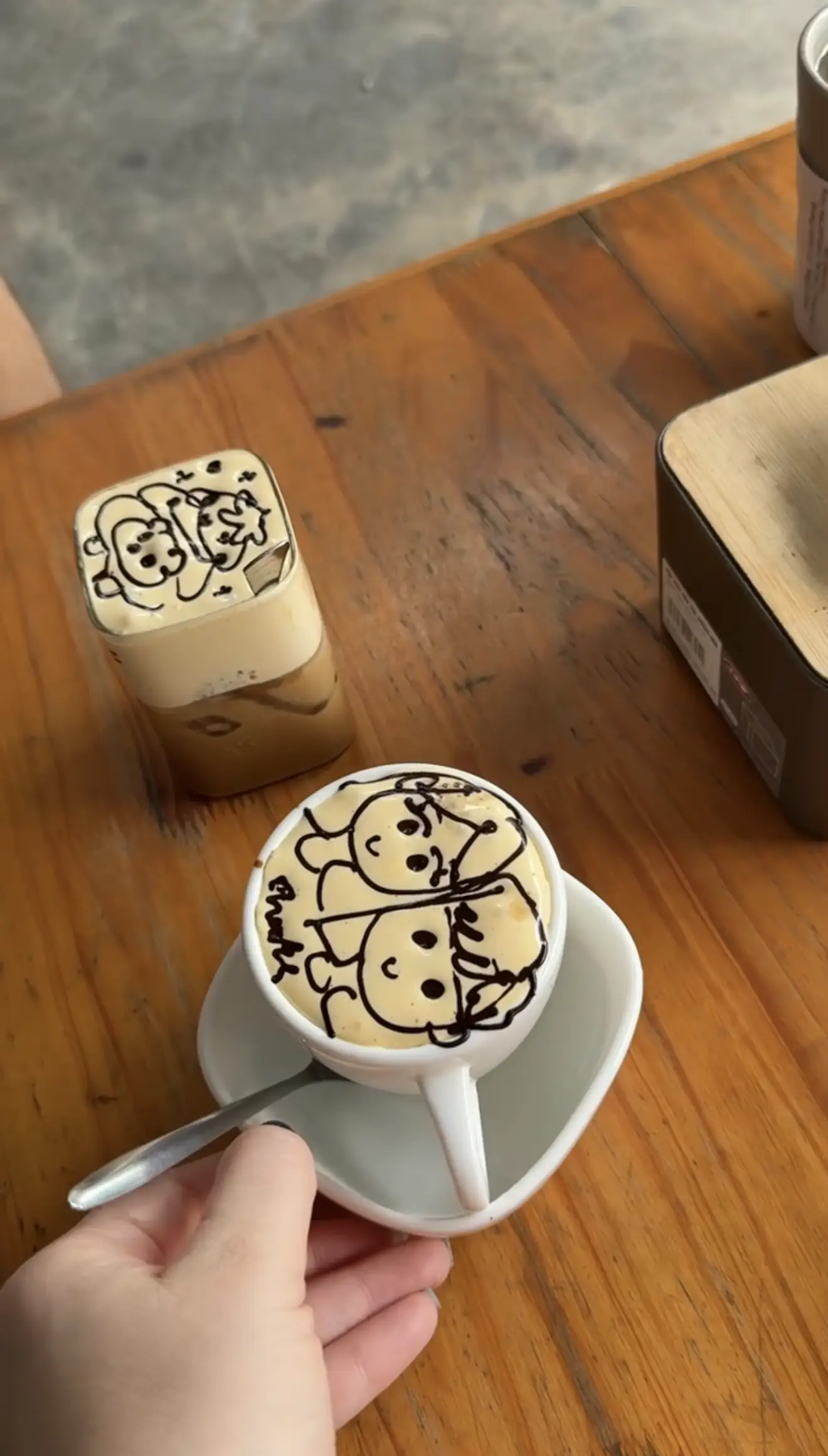
Egg coffee at Egg Coffee, Nha Trang
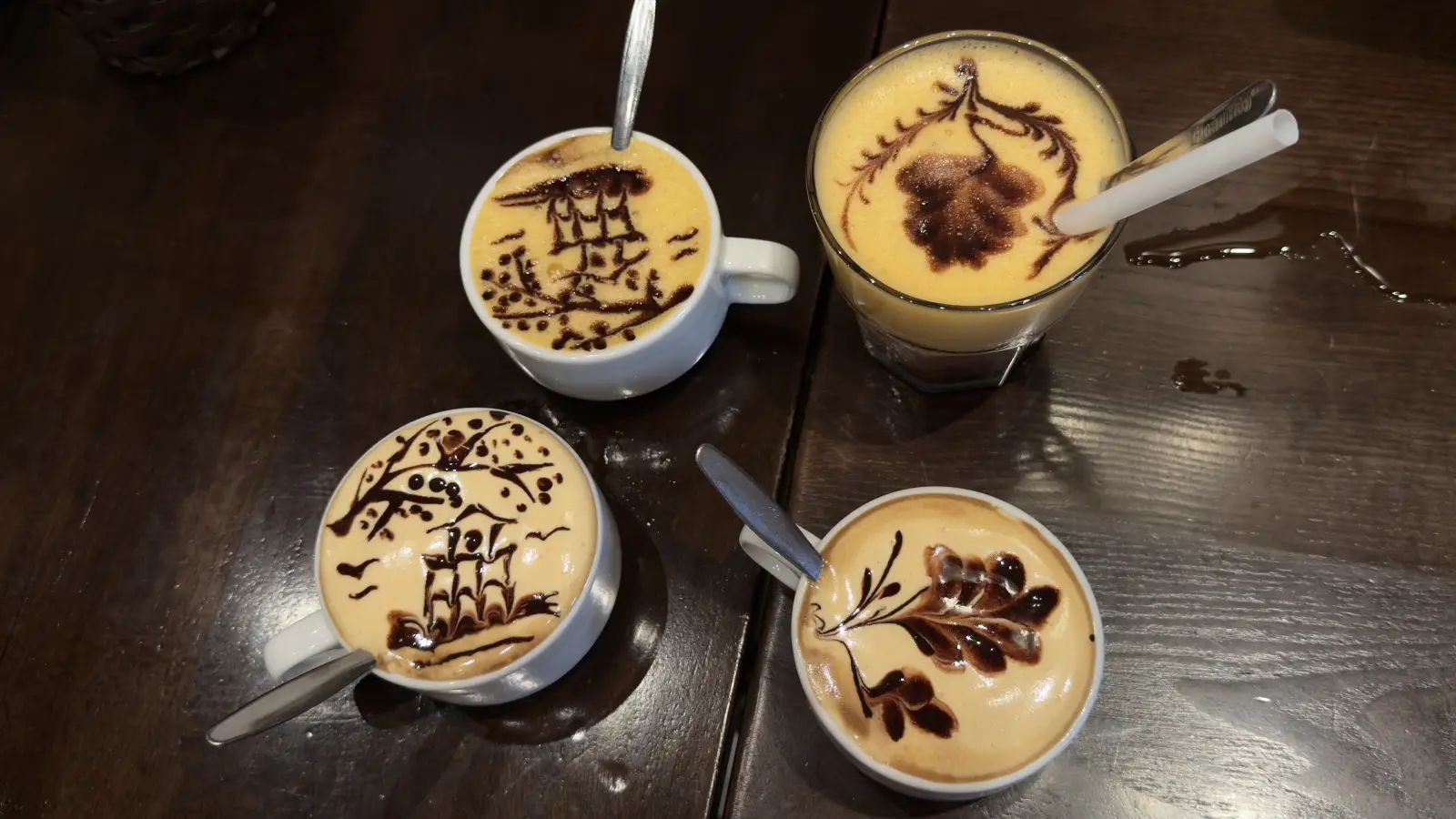
The winner of the list: dense egg-yolk and condensed-milk cream over strong coffee, like tiramisu in a cup. A barista may even draw your portrait on the foam. 67 Trịnh Phong.
Open in Google Maps
Egg coffee in Hanoi
Visit Café Giảng, the family café of Nguyễn Văn Giảng, at 39 Nguyễn Hữu Huân, and Café Đinh on the second floor of an old house opposite Hoàn Kiếm Lake at 13 Đinh Tiên Hoàng. If you can choose only one, start with Café Giảng, where the story began.
Café Giảng in Google Maps / Café Đinh in Google Maps
Comments
Read also
All articles
Why a Venue in Vietnam Benefits from Listing in "Places and venues"
A restaurant, café, bar, hotel, coworking space, spa, salon, dive school or other offline business in Vietnam almost always already has at least one digital…

The Last Turtle of Hoan Kiem: Hanoi’s Symbol and a Legend Come to Life
How Le Loi received a magic sword, why Hanoians called the lake’s giant inhabitant the Venerable Turtle, and what became of the last of her…

How to Rent an Apartment in Vietnam: Contract, Deposit, Utilities and What to Check Before Paying
Renting an apartment in Vietnam is usually easier than in many European countries. Landlords rarely ask for a credit history, salary statements or references from…
Mindful Consumption in Vietnam: What We Leave Behind
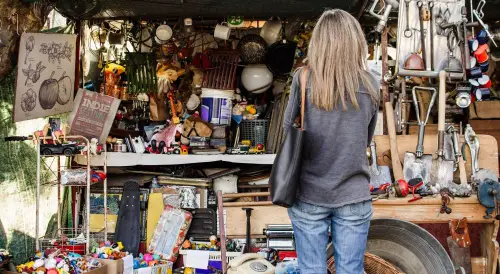
Buying less that you do not need, caring for belongings and passing them on in Vietnam. Temporary homes, repairs, classifieds and looking after the places…

Edible bird’s nests: who first thought of eating them, and why are they so expensive?
From perilous cave harvests to gift boxes worth millions of dong.

How to earn from tourism services in Vietnam: partners, commissions and first customers
Choose a city and tourism niche in Vietnam, find local providers, agree commissions, publish a clear listing and learn how to handle your first customer…