



Vietnamese Coffee: How a French Import Became a National Habit
How coffee arrived in Vietnam, why the country became the world’s second-largest exporter, which drinks to order, and where to try the best coffee in…
How coffee arrived in Vietnam, why the country became the world’s second-largest exporter, which drinks to order, and where to try the best coffee in…
Choose a Vietnam base for a month by daily life: sea, work, districts, season, budget and a one-week housing test.

Explore Da Lat sunrise concerts, live music, flower festivals and creative events. Browse current announcements or publish your own event for free.

Concrete trees, family keepsakes and a building project that became a life’s work.
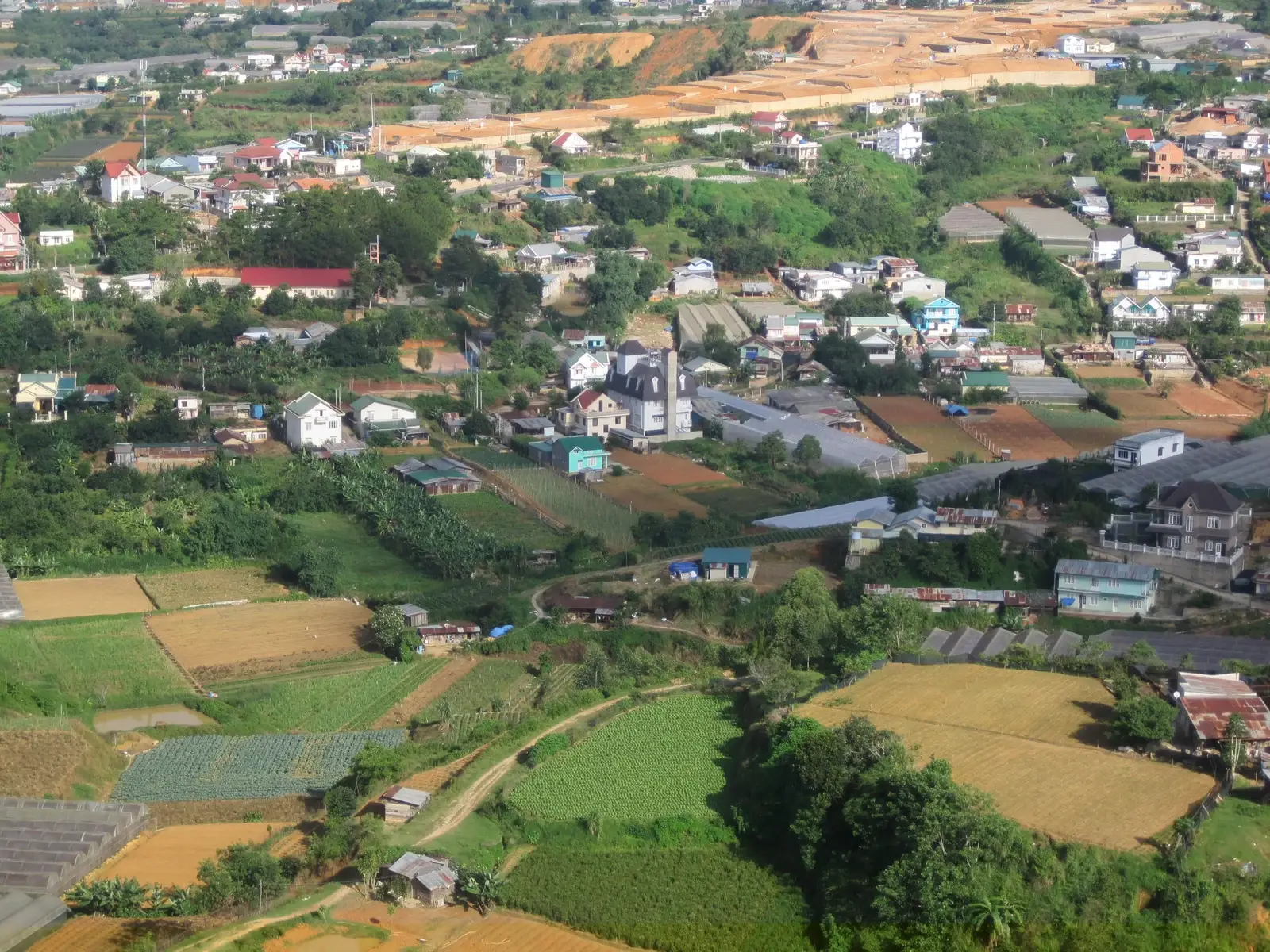
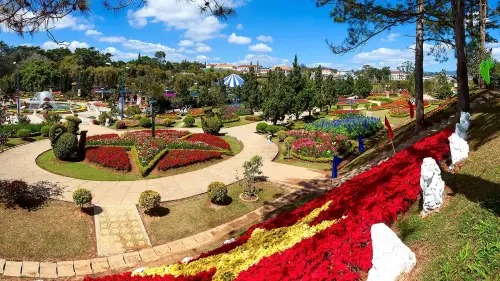
Da Lat is Lam Dong’s highland city, known for a cool climate, pine-covered slopes, greenhouses and a pace that feels different from Vietnam’s larger urban centres. People come for a few days, move here for a season, or stay longer while working around coffee, flowers and quiet hillside neighbourhoods. This page helps you look for options suited to everyday life in Da Lat itself.
The centre around the market and Xuan Huong Lake is convenient for walks, cafés, shopping and short stays, but it can be busy at peak times. Areas farther out, including Trai Mat and the roads on the slopes, offer a different pace and more space, while making the distance to markets, schools, workshops and transport more important. When choosing a home, picture your ordinary route rather than a single sightseeing day.
Da Lat is associated with flowers, coffee and strawberries, yet everyday needs go much further. People look here for cooks, baristas, guides, photographers, teachers, translators, repair workers, greenhouse specialists, drivers and practical household help. For a longer stay, reliable internet, warmth on cool nights, a dry place for belongings, delivery and easy access to the right neighbourhood can matter more than a scenic view.
City walks often connect Xuan Huong Lake, the market, the old railway station, flower villages, cafés and roads toward waterfalls. A beautiful route is not always simple to manage: hills, fog, rain and narrow roads change travel time. If you are considering a trip, transfer or photo session, ask about the meeting point, duration, vehicle and the plan if the weather changes.
Da Lat is more than postcards and tourist streets. It has residential blocks, schools, small workshops, farmers’ markets, family cafés and greenhouse areas where people work every day. One person may need someone who knows the city and speaks several languages; another may need help with a move, a repair, grocery shopping or a quiet day beyond the centre.
This Da Lat private-listings directory lets people share a room, house, farm stay, excursion, lesson, repair service, transfer or another offer connected with the city. A useful description says which neighbourhood you are in, whether you travel to clients, what languages you use and when the offer is genuinely convenient.
If you are searching, keep central Da Lat distinct from the outer hills and villages. A home near the market and a place in Trai Mat create very different routines, while a farm offer may require your own transport. Compare the address, road access, dampness, connectivity, parking, travel time and cancellation terms rather than relying only on photographs or a promise of “atmosphere”.
Start with a clear purpose: living centrally, working remotely, finding a specialist, spending a few days among flowers and coffee, arranging a waterfall trip or settling in a quieter edge of the city. Then compare neighbourhood and conditions so the option you choose fits your pace and length of stay in Da Lat.