Nha Trang's Museum of Oceanography: what adults and children can see
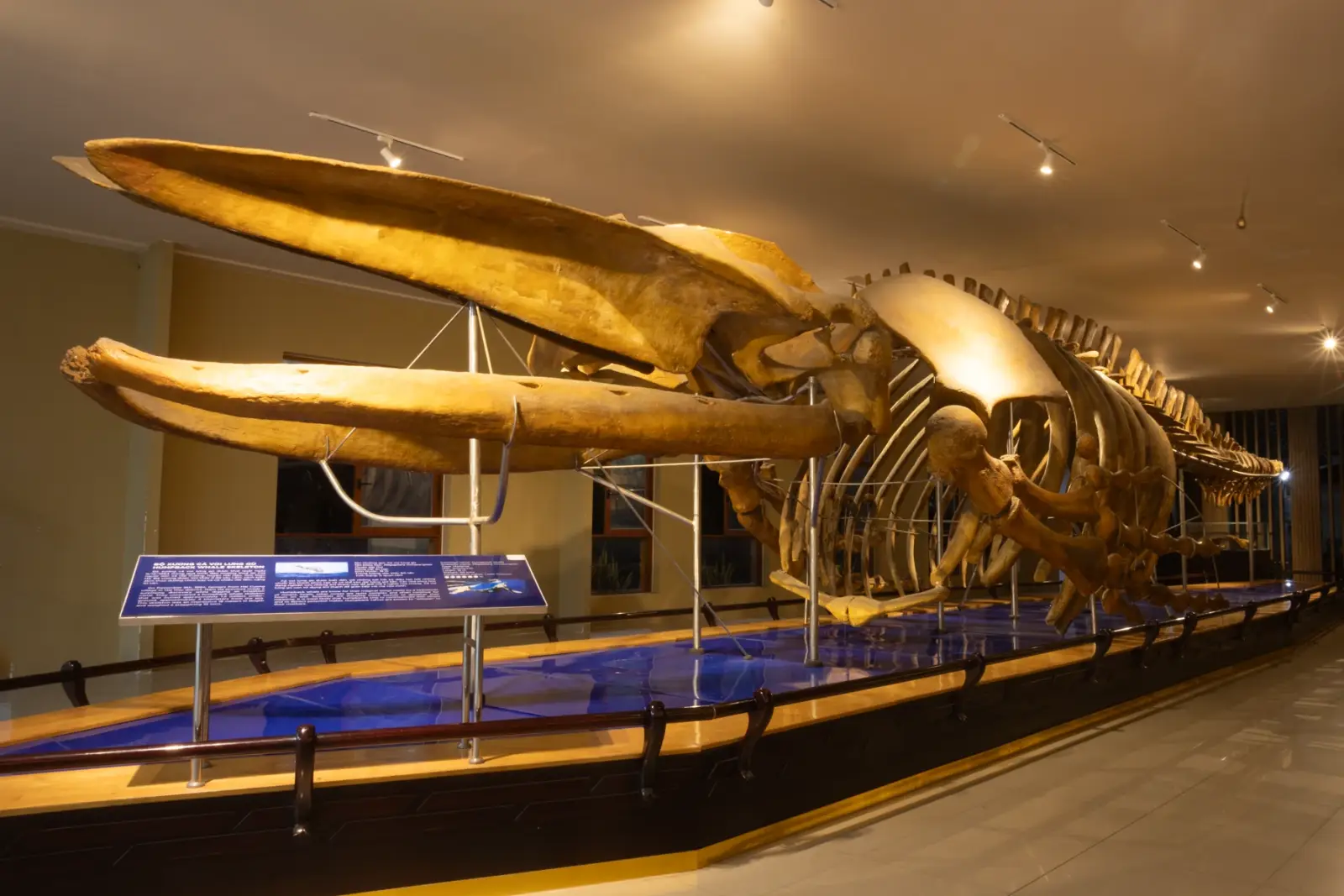
In 1994, workers digging an irrigation canal in northern Vietnam came across enormous bones. Beneath a rice field lay the skeleton of a whale — eighteen metres from head to tail. The sea was about four kilometres from the discovery site.
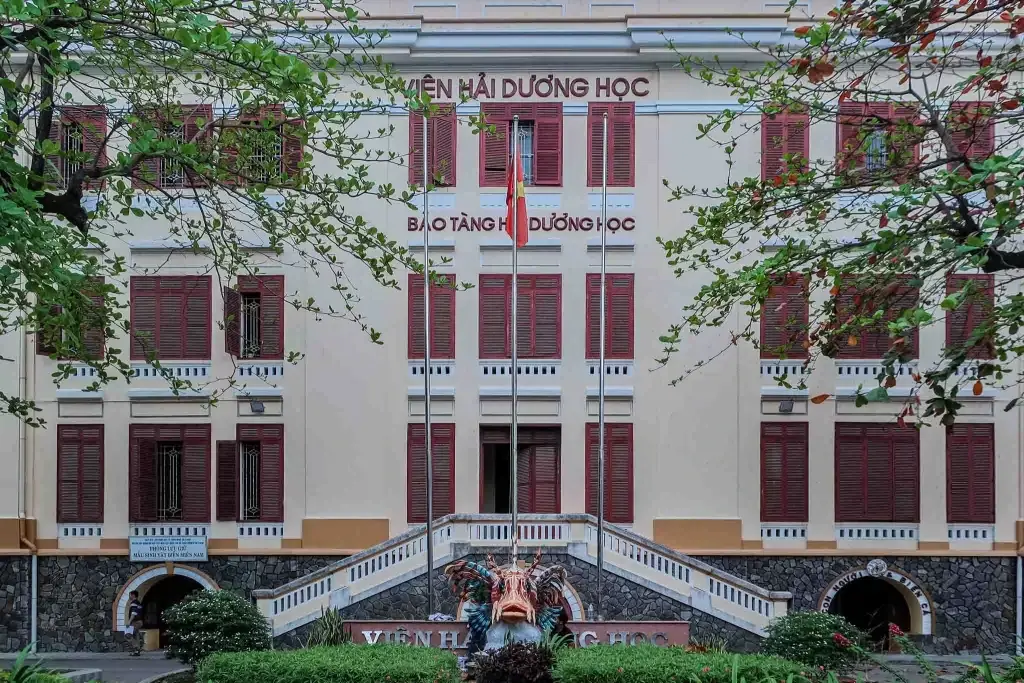
The whale's skeleton is now in the Museum of Oceanography in Nha Trang. It was excavated from the ground, while other specimens were brought back from expeditions, obtained from fishermen or found on the shore. Some took several months to prepare for display.
Source: Chapters of Escapism, article by Alvin Sim.
From the sea to Nha Trang
The museum began with the scientific collections of the Institute of Oceanography, which was founded in 1922. Scientists explored the sea, collected animals and plants, and preserved them for study. Specimens arrived from different stretches of coastline and distant islands.
In 1981, members of a joint Vietnamese–Soviet expedition collected a giant clam near Sinh Tồn Island in the Trường Sa archipelago — a bivalve mollusc weighing 145 kilograms and measuring almost a metre in length. After the expedition, the two shell valves went to different institutions: one stayed in Nha Trang, while the other was sent to the Institute of Marine Resources and Environment. The museum displays just one valve. The figure of 145 kilograms refers to the complete specimen.
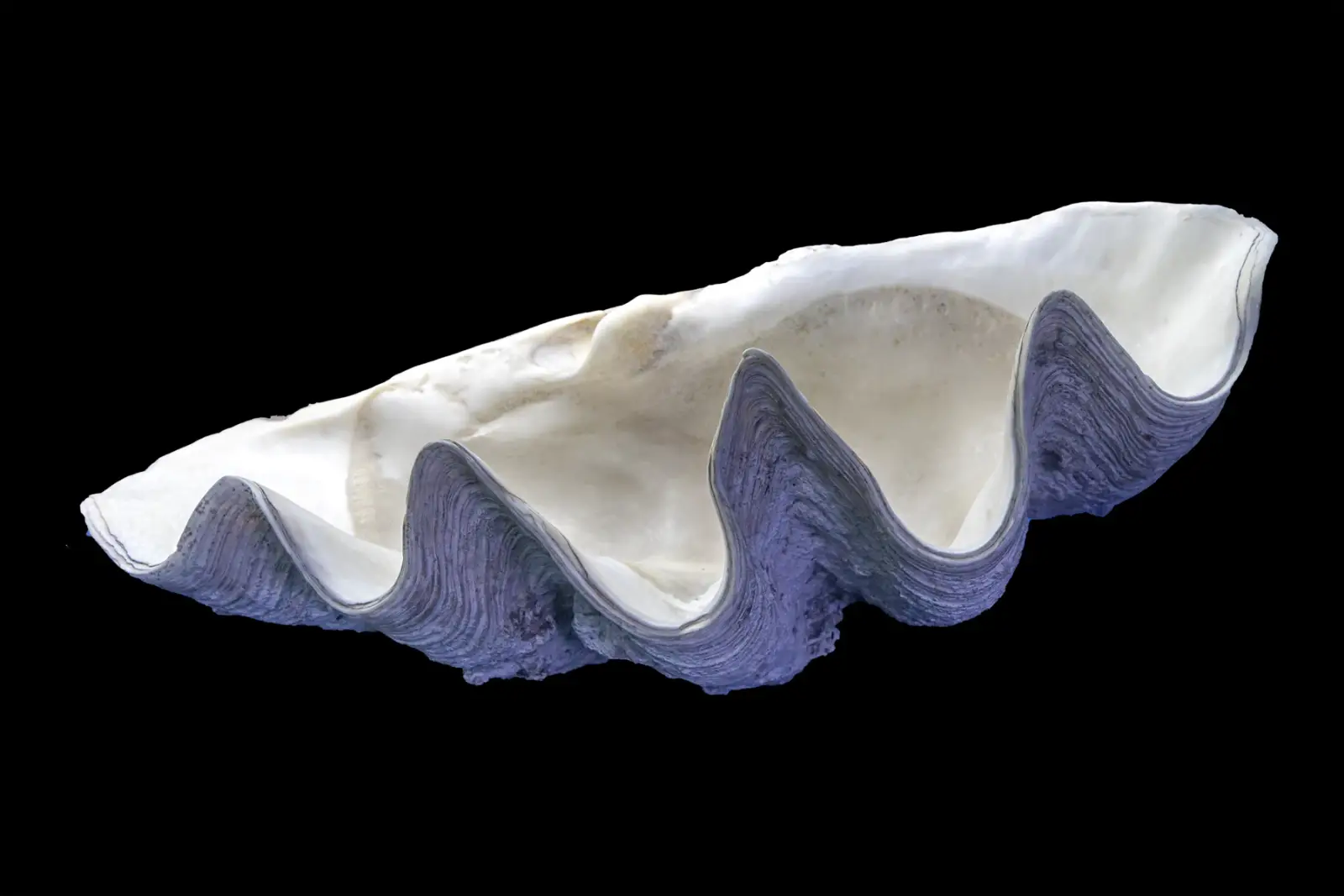
Source: museum audio guide.
The humpback whale skeleton was discovered in Hải Cường commune, at a depth of about 1.2 metres. According to the museum, the bones had lain underground for at least two hundred years. Its enormous ribs and long backbone have now been assembled in the hall for large specimens.
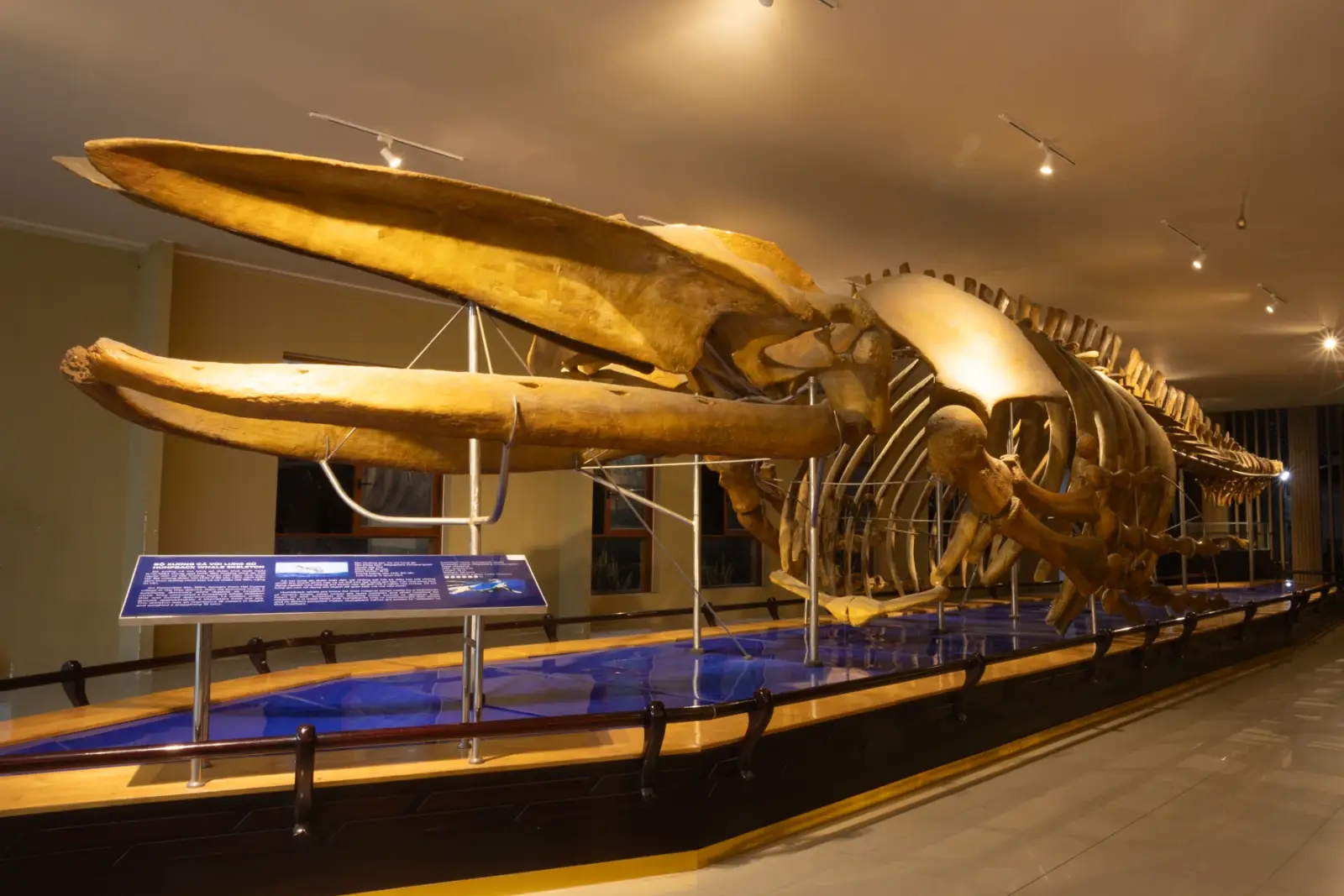
Source: museum audio guide.
Fishermen also contributed to the collection. In May 1998, a spotted seal was caught off Quảng Ngãi Province. Less than a month later, another was caught off Quảng Bình. This species lives much farther north. The museum suggests that the seals became separated from their groups and were carried to the Vietnamese coast by ocean currents.
Both specimens were preserved for the collection. The dark spots that give the species its name are visible on their pale fur.
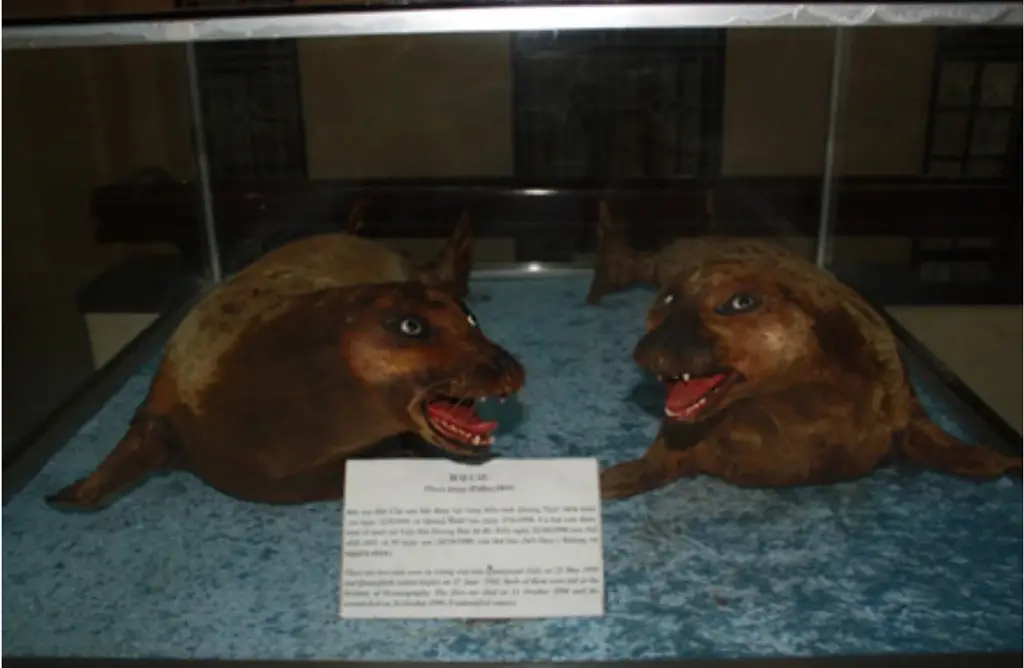
Photo: Nguyễn Chung / Thanh Niên.
The museum's dugong specimens came from Côn Đảo and Phú Quốc. Dugongs are marine mammals also known as sea cows. The animal from Côn Đảo died in January 1997. The national park later gave the institute its skeleton, about 2.7 metres long.
The dugong from Phú Quốc died in a fishing net. The animal was preserved whole — the first time this had been done in Vietnam, according to the museum. The collection includes both a skeleton and a preserved animal with its bulky body, front flippers and broad tail.
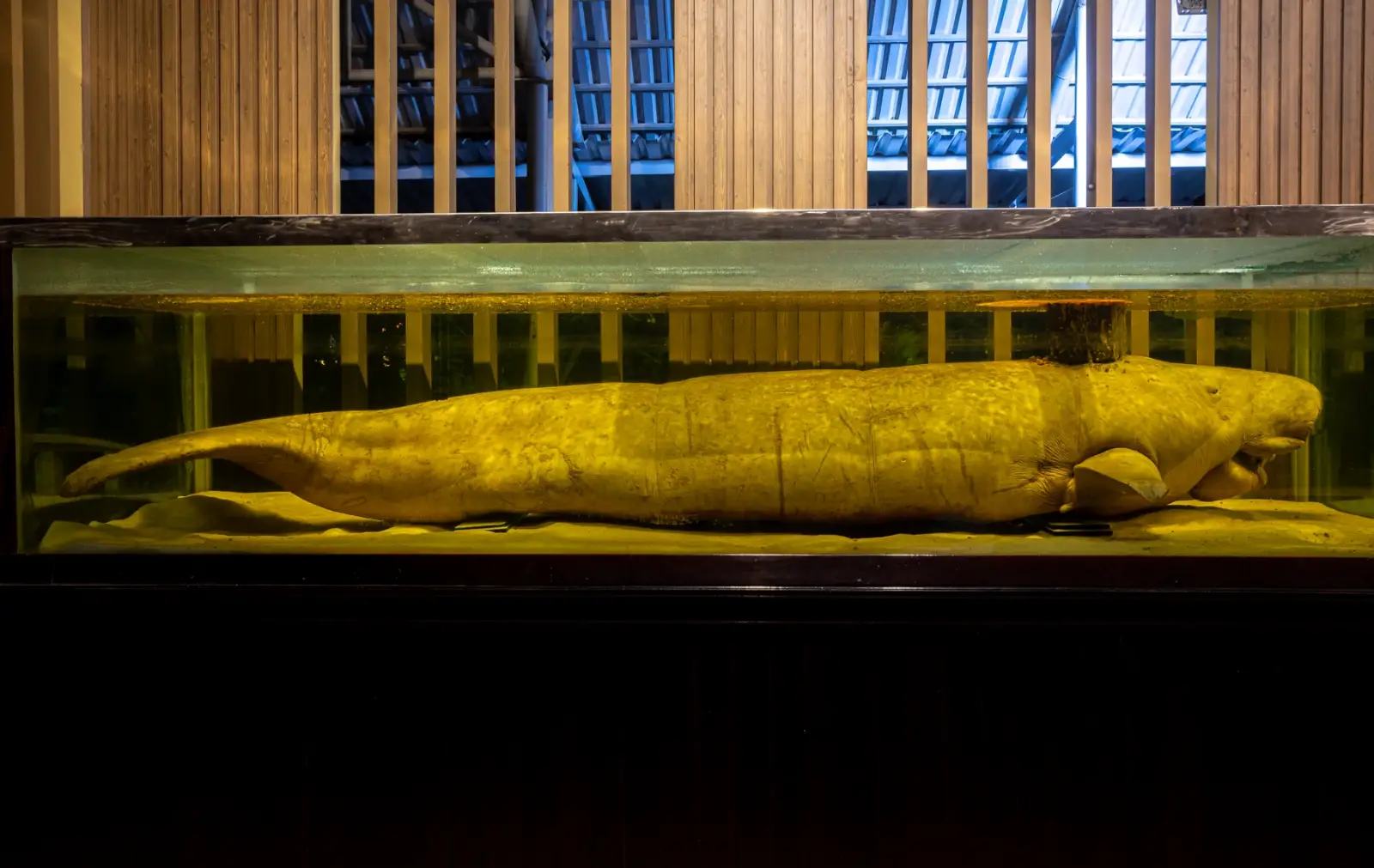
Source: museum audio guide.
Before an exhibit goes on display
Even getting a large animal to the museum could be a challenge. In January 2016, a whale shark almost six metres long and weighing about a tonne washed ashore in Khánh Hòa Province. It died soon afterwards. To bring it to Nha Trang, institute staff hired a crane and a truck.
The truck arrived at three in the afternoon. They could not finish the work that evening, so they bought thirty large blocks of ice to pack around the carcass. The next morning, almost ten people began work.
The skin had to be removed without tearing it, then immersed in a preservative solution for several months. Only then could they reconstruct the shark's shape. They expected to use 300–400 kilograms of stuffing material.
A museum specialist told journalists that they sometimes had to remove the stuffing and start again because the shape did not look right. Meanwhile, the skin was drying and becoming stiff. They had to work quickly while taking care not to damage it.
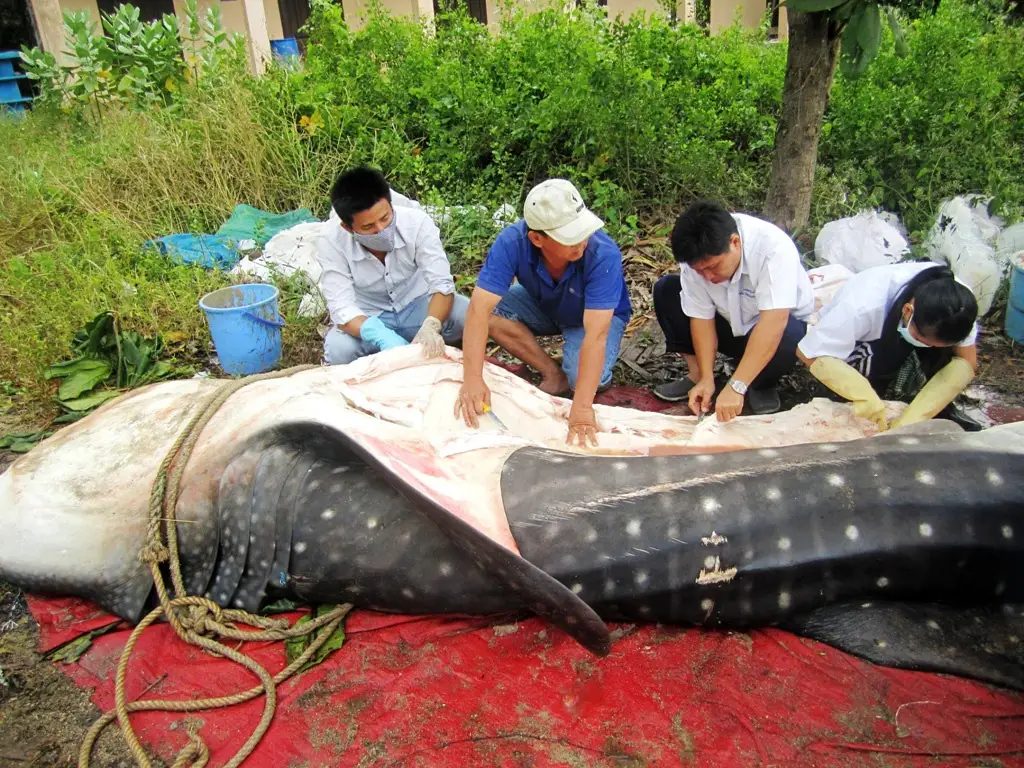
Photo: Trần Công / Thanh Niên.
Transparent fish
A small collection of transparent fish specimens reveals their internal anatomy. Their skulls, backbones and delicate fin supports are visible through the tissue.
Museum staff began working with this technique in 2018. The soft tissues are made transparent, while the bones are stained pink and purple and the cartilage blue. The fish retain their natural shape.
Around thirty of these specimens were prepared for the institute's centenary in 2022. Many details of the coloured skeletons can be seen without a microscope.
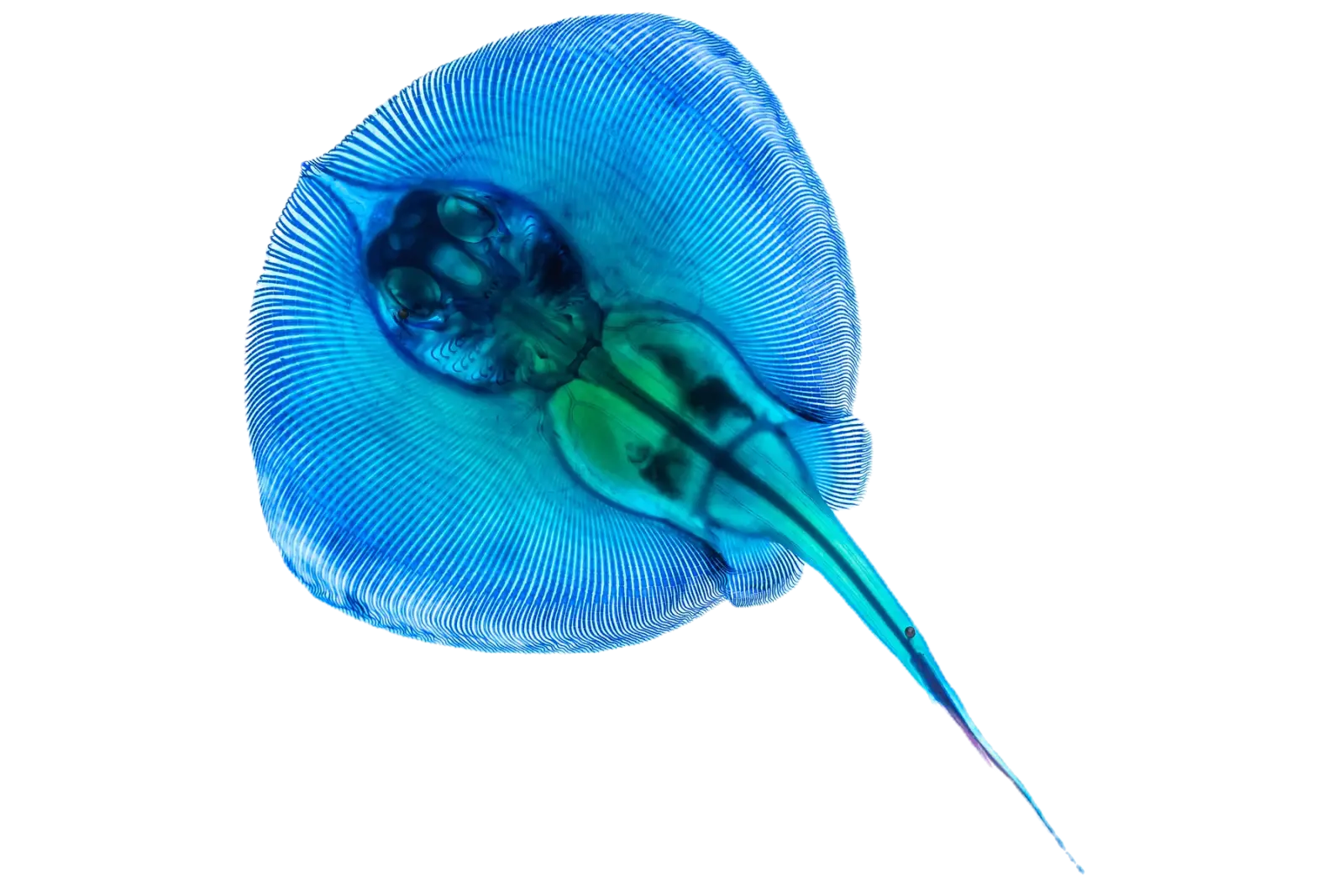
Source: museum audio guide.
Two versions of a lionfish
Sea turtles, sharks, rays, moray eels, groupers and other animals live in the museum's pools and aquariums. They are studied and bred here, while animals in distress are nursed back to health. The institute has received turtles that became entangled in fishing nets, for example.
The institute chose the lionfish as its symbol. This striped fish has long fin rays that fan out around its body, and venomous spines in its dorsal fin.
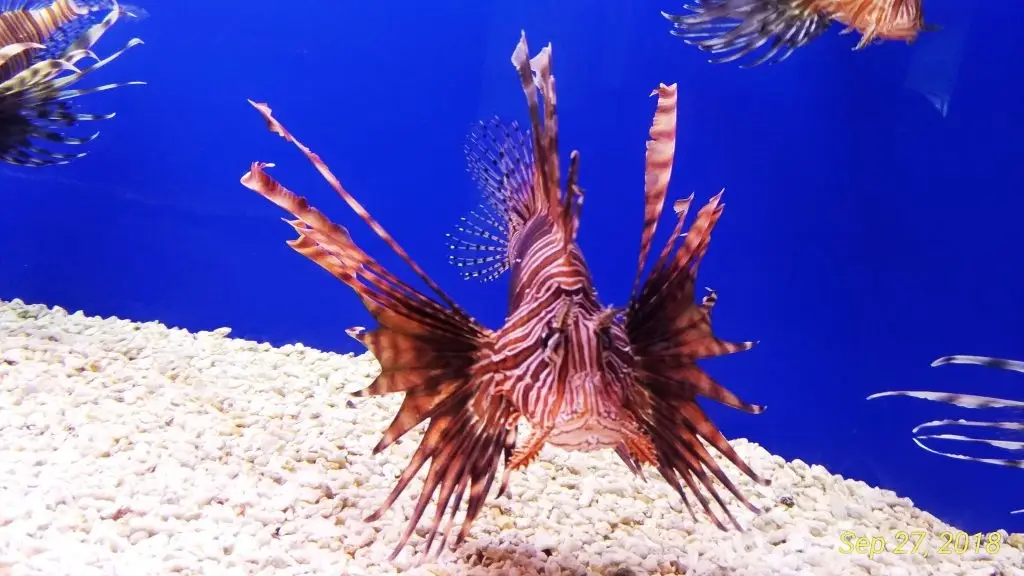
Source: the museum's official website.
The museum also has a lionfish artwork made from seaweed. It belongs to the “Colors of the Ocean” collection, also prepared for the institute's centenary. The striped body and outstretched fins were pieced together from different kinds of seaweed, preserving their natural colours and textures.
The collection contains seventy works in all. The material was gathered along Vietnam's coast. Such specimens are usually dried and preserved for scientific study; in this collection, they were used to make pictures.
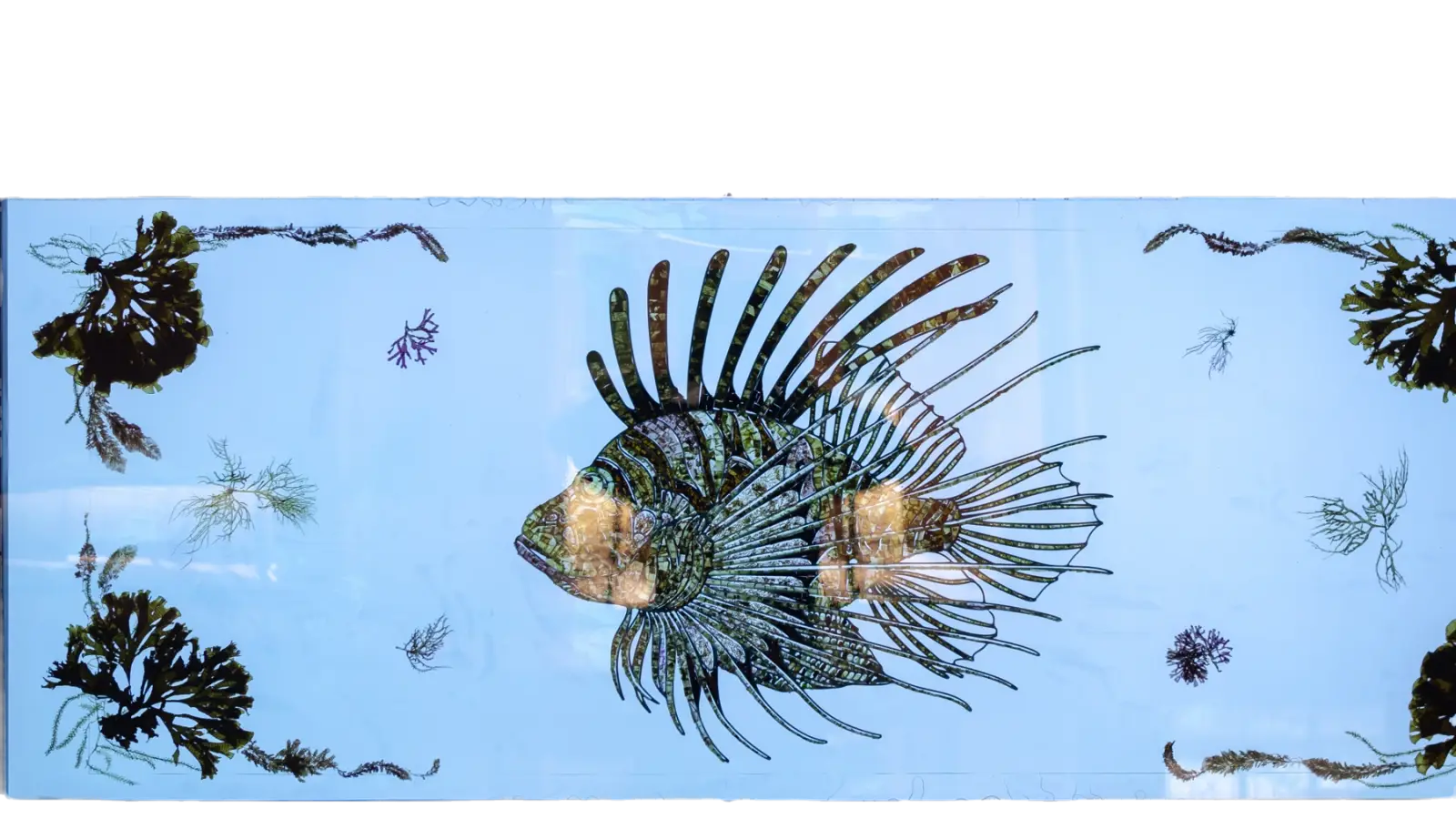
Source: museum audio guide.
Address: 1 Cầu Đá, Nha Trang. To find it on a map, search for Bảo tàng Hải dương học or Museum of Oceanography.
Opening hours: daily, 06:00–18:00.
Tickets: adults — 40,000 VND, university students — 20,000, school pupils — 10,000, children under 6 — free. Ask at the ticket office which concessions are available to foreign visitors. Allow around an hour and a half to two hours for a visit. Check opening hours and prices before you go.
Comments
Read also
All articles
Nha Trang Rock Garden: legends and a seaside walk
A giant paw print and two rocks said to be lovers turned to stone.
The City That Isn't on the Map: The Secret of the Cu Chi Tunnels
Not far from Ho Chi Minh City, an entire underground city lies hidden, complete with kitchens, hospitals, and secret passages. What role did the Cu…
Blood Oaths, Fire-Breathing Dragons and Hidden Mechanisms: The Story of Vietnamese Water Puppetry
How a rainy-season village pastime reached the imperial court and won over audiences around the world.

Long Son Pagoda and the White Buddha in Nha Trang: what to see and how to get there
From a small thatched temple to a giant Buddha on the hilltop.

Where to Live in Vietnam for a Month: Da Nang, Nha Trang, Ho Chi Minh City, Hanoi, or Da Lat
Choose a Vietnam base for a month by daily life: sea, work, districts, season, budget and a one-week housing test.
From Paris to Nha Trang: How Alexandre Yersin Became a Legend in Vietnam
He arrived from Europe with a microscope, identified the bacterium behind plague, and could have returned to Paris. Instead, he chose Nha Trang. Why do…