Blood Oaths, Fire-Breathing Dragons and Hidden Mechanisms: The Story of Vietnamese Water Puppetry
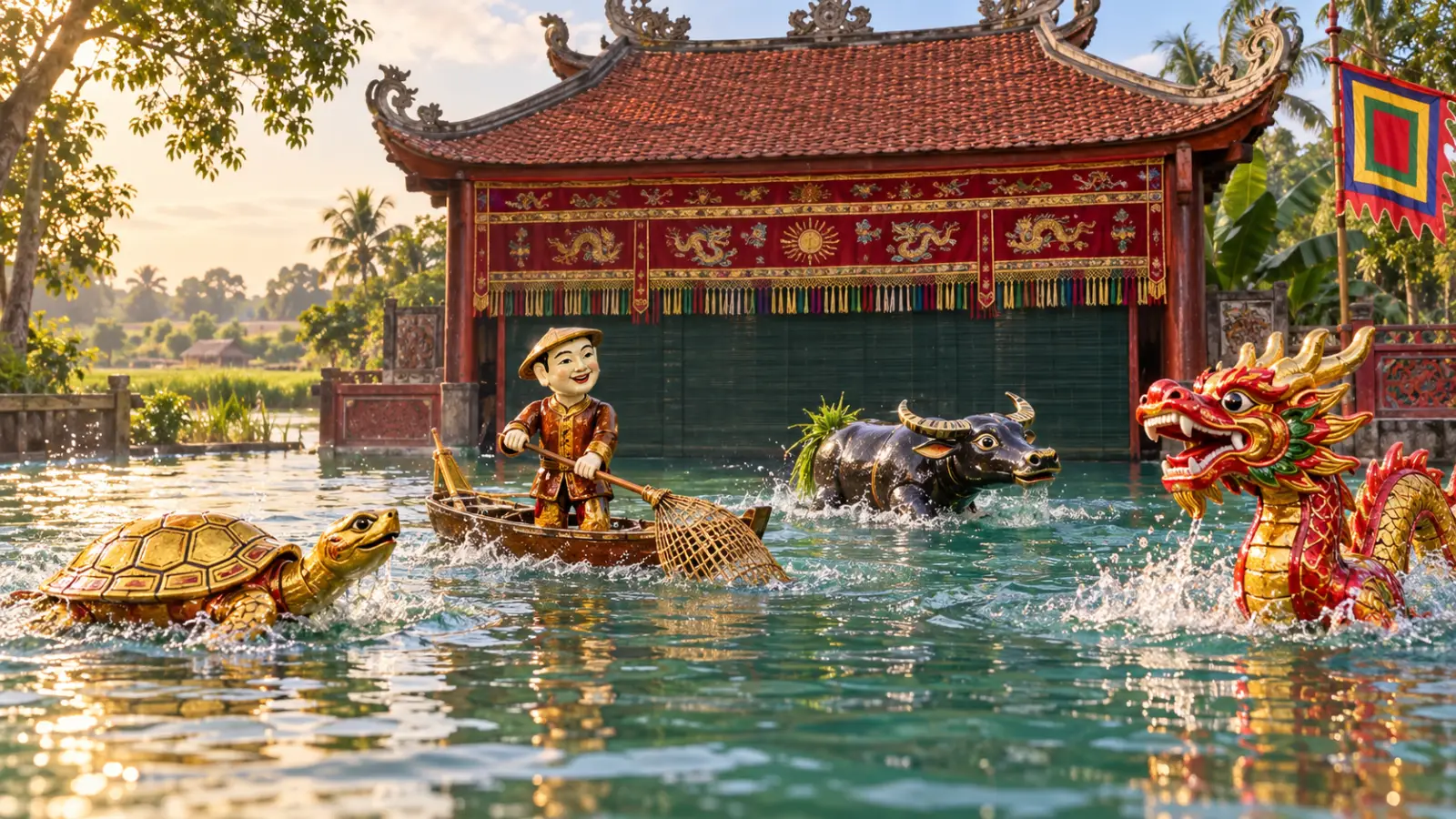
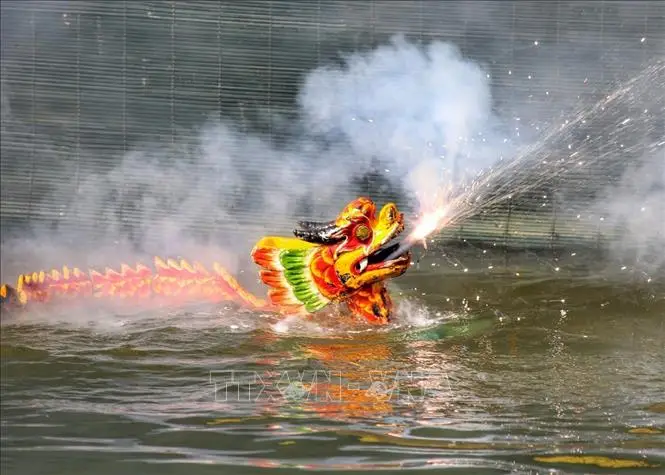
A dragon rises from the dark water. It turns its head, lashes the surface with its tail and suddenly breathes fire. Nearby, a fisherman casts his net, a buffalo pulls a plough, and a flock of ducks flees from a fox. An entire miniature world appears on the water — noisy, funny and seemingly impossible.
A Golden Turtle for the Emperor
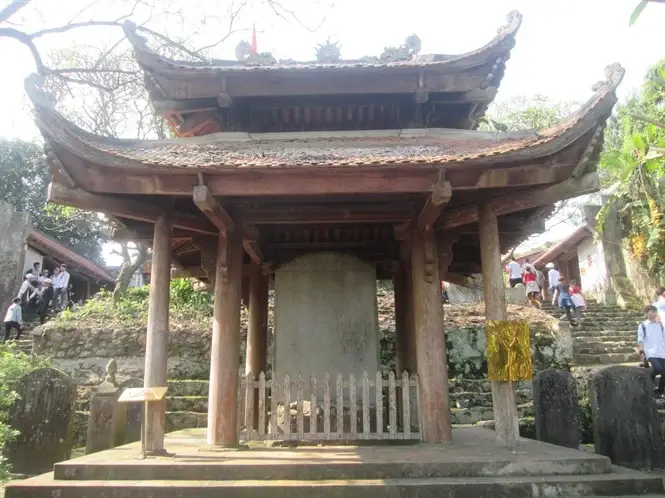
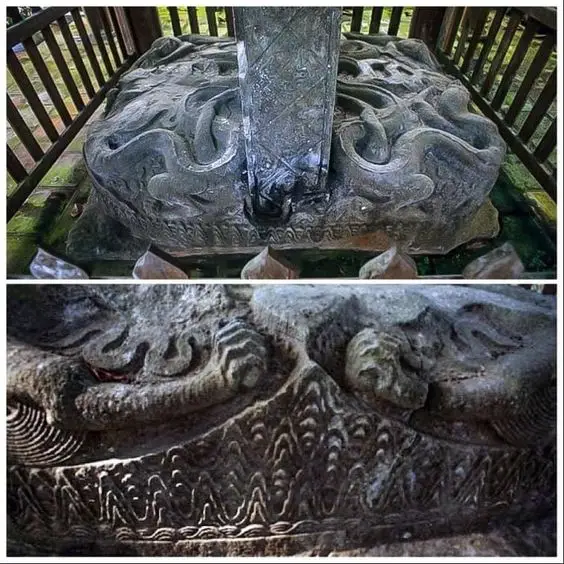
Not far from Hanoi, Long Doi Son Pagoda preserves a stone stele from the early 12th century. Carved into it is an account of a water spectacle performed before the emperor — the earliest surviving description of water-puppet theatre.
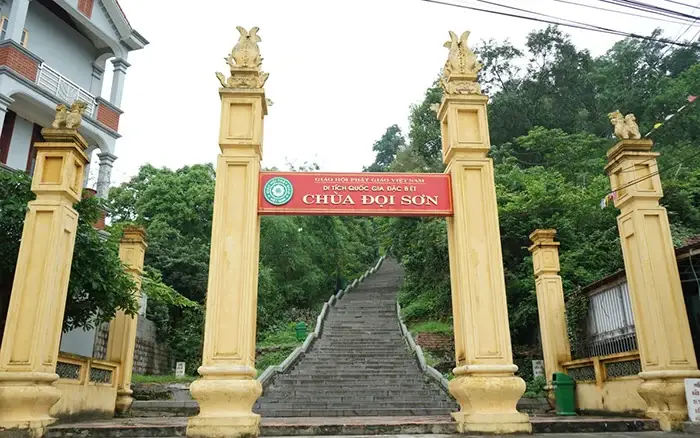
The central figure in this stone story was Ly Nhan Tong, an emperor whose capital was already Thang Long, the future Hanoi. His court held grand celebrations with music, processions, contests and theatrical performances. One of them was dedicated to the ruler’s longevity.
That day, the imperial procession left the palace and made its way to the Red River. Ly Nhan Tong took his place in a special pavilion on the bank. Local rulers and foreign envoys passed before him, boats raced along the river and drums thundered. According to the author of the stele, thousands of vessels cut through the water like lightning.
Then a gigantic Golden Turtle named Ngao rose from the river. It slowly turned its head towards the bank, looked at the emperor, moved its legs and sent a jet of water from its mouth. Three mountains towered on its shell.
The audience of the time needed no explanation. In ancient Eastern legends, the enormous turtle Ngao carried sacred mountains inhabited by immortals. So after the turtle appeared, the mountains came alive: doors opened in the grottoes, fairies emerged and began to dance to court music. Strange birds and deer followed, moving across the water in whole groups.
The entire scene wished the emperor a long life and a prosperous reign. The turtle stood for longevity and stability, the mountains led to the realm of the immortals, and the fairies and rare animals heralded harmony and happy times. What unfolded before Ly Nhan Tong was not an everyday tale, but an ideal vision of the world with the ruler himself at its centre.
The sophistication of the performance is especially striking. The huge turtle swam, moved its eyes and legs and spouted water; then doors opened across its back as new characters appeared at the same time. By the imperial celebration, water puppetry was already a mature art with ingenious mechanisms and experienced masters.
It arrived at the palace fully formed. To understand where the first puppets appeared and why they were lowered into water, we must leave the capital and return to the villages of the Red River Delta.
How a Rice Field Became a Stage
The Red River Delta is a flat landscape cut by canals, rivers and rice fields. During the rainy season, water overflowed the banks, filled the lowlands and remained on the ground for weeks. After the harvest came a rare pause: the hardest work was over, and the villages prepared for festivals.
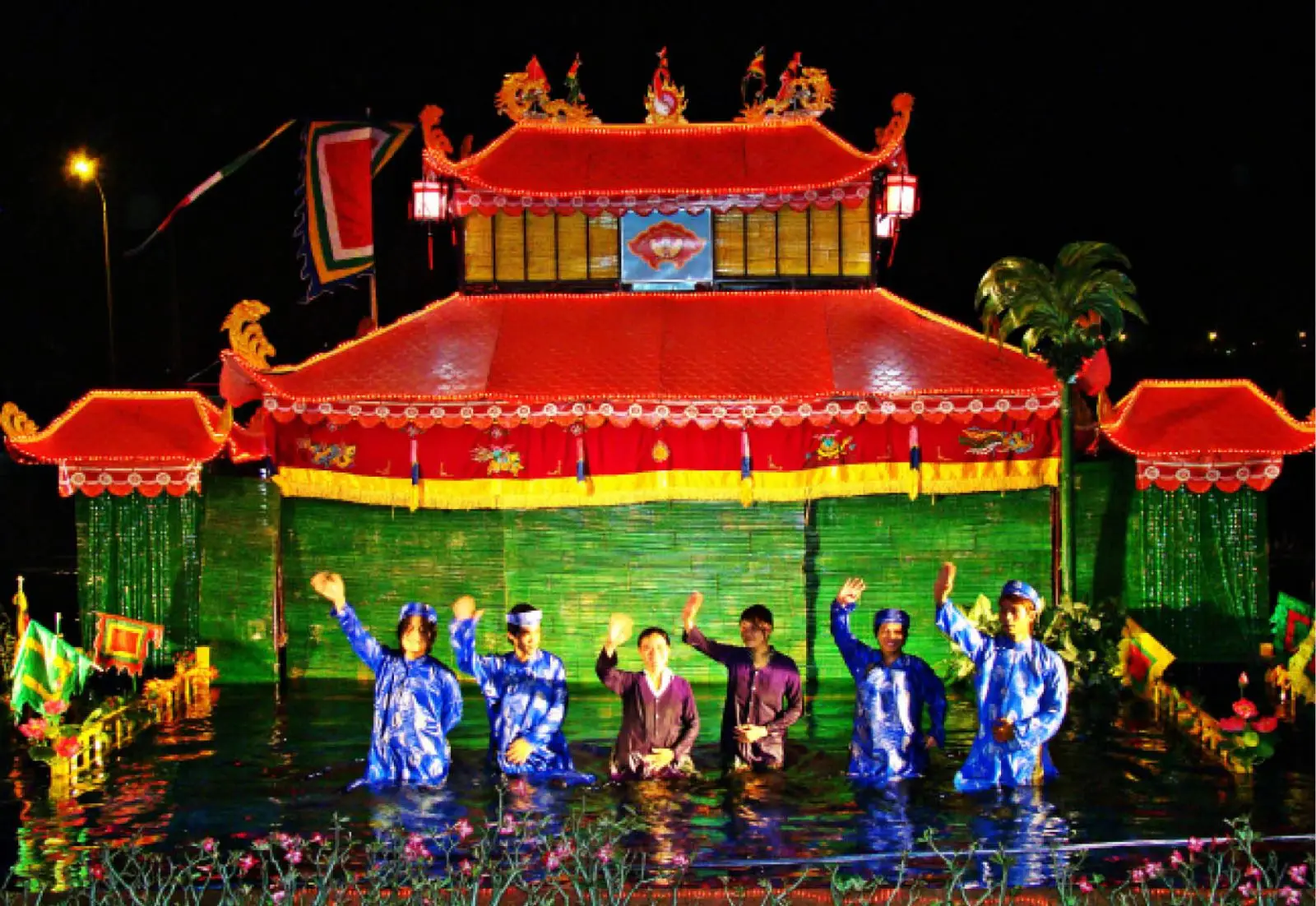
Almost nothing was needed to build a stage. An ordinary pond or a harvested rice field flooded with water would do. Spectators gathered on the bank, a bamboo screen was erected in the middle, and behind it puppeteers stood hidden waist-deep in water.
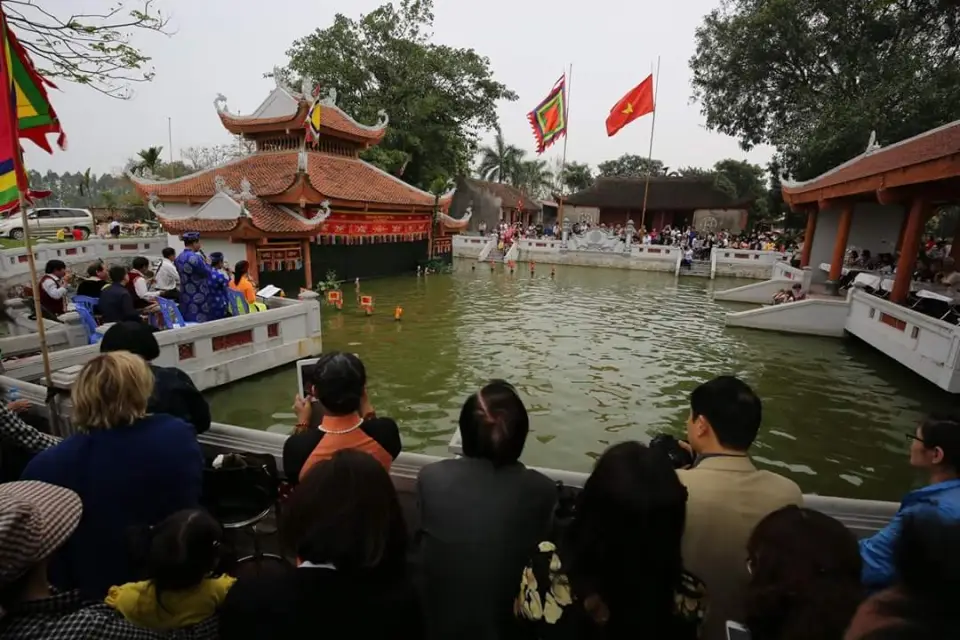
The first characters were as simple and familiar as village life itself. A fisherman cast a net, a farmer followed his plough, a boy rode a buffalo, and ducks escaped from a fox. Boats raced, bulls clashed and fish leapt from the depths. The audience recognised their neighbours, everyday worries and comic incidents that might have happened in the next field.
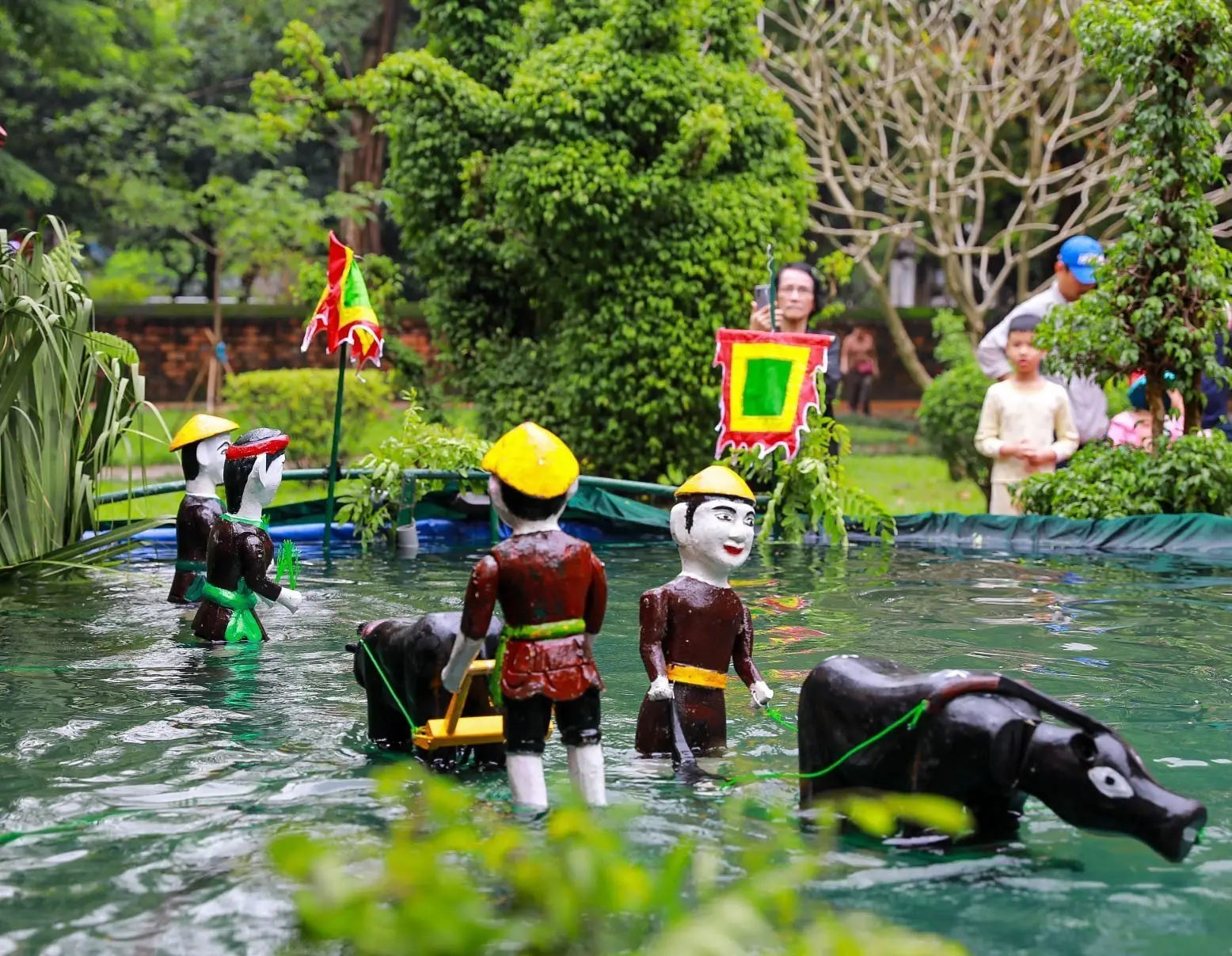
Water soon changed from ordinary scenery into the theatre’s greatest secret. It hid the performers’ hands and poles, supported heavy figures and reflected light. A character could disappear below the surface, emerge at the other end of the pond or suddenly spray a fountain. Dragons rose directly from the depths, and fire burned even brighter above the water.
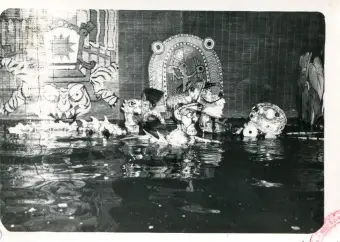
With every festival, the puppets grew more elaborate. They acquired moving legs, jaws and wings, with mechanisms concealed inside. Fairies, dragons and ancient legends joined the scenes of village life. Entertainment after the harvest became an art, and each village began inventing its own tricks — and guarding them closely from its neighbours.
The Puppeteer’s Oath
A village troupe performed for more than its own neighbours. During major festivals, artists from different villages gathered at temples and communal houses. They asked permission to present their shows, and the hosts chose which troupes would perform on their pond. A successful performance brought fame more than money: the troupe received invitations from other villages, its name became known across the region, and its most skilful masters might one day perform before nobles or even the emperor.
Every new trick was therefore an advantage. While one troupe sent an ordinary dragon onto the water, another taught its dragon to dive, breathe fire or suddenly split into several figures. Puppeteers from a neighbouring village could easily be standing among the spectators, studying every movement. Rehearsals were held away from strangers, mechanisms were installed at night, and only the senior masters knew how the most intricate puppets worked.
Nor could anyone simply walk in and join a troupe. A newcomer had to be recommended by a serving puppeteer and was accepted only once a year, on the day honouring the master regarded as the founder of the local tradition. This was not a shared festival for all water puppeteers, but each troupe’s own important date. In Dao Thuc, for example, the founder is believed to be Nguyen Dang Vinh, a court official who returned home and taught his fellow villagers to stage performances on the water. Every year they burn incense, leave offerings and remember the man from whom the masters trace their theatrical lineage.
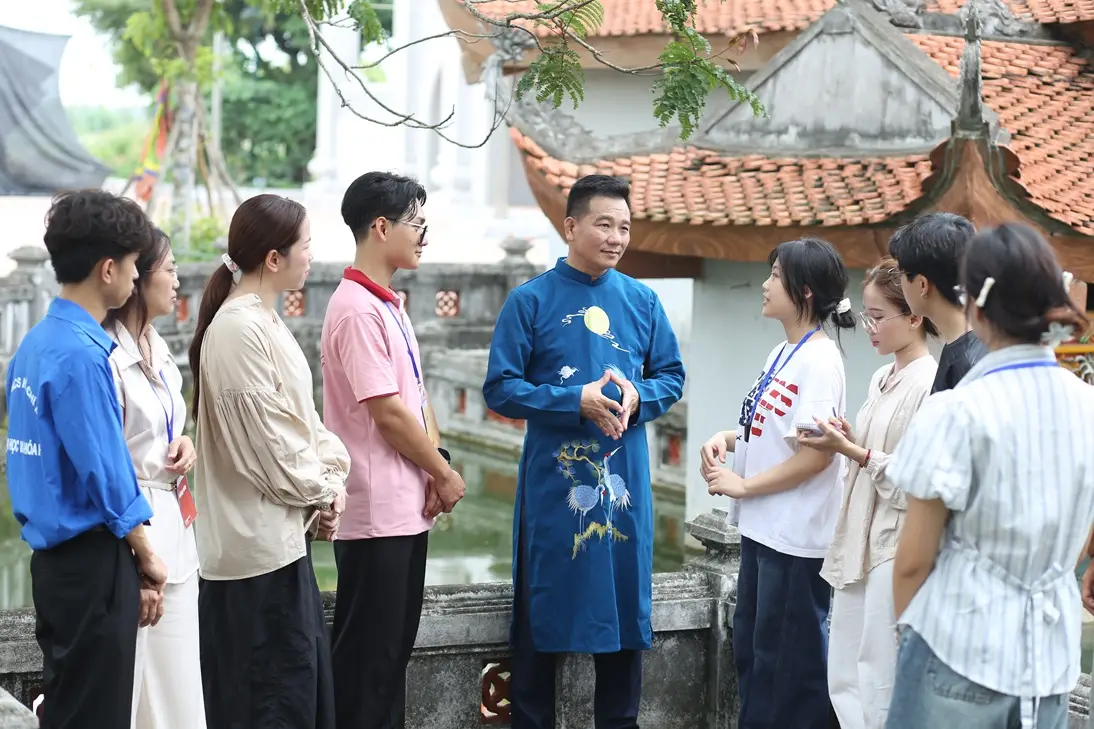
It was on this day that a newcomer took the oath. Rice wine was mixed with a rooster’s blood and drunk before the altar. The blood signified that the initiate had entered a new family — the brotherhood of puppeteers. He promised never to reveal the construction of the figures, the underwater mechanisms, secret signals or traditional scenes of his village.
This was no symbolic formality. Old accounts preserve a severe formula: if a puppeteer disclosed the figures’ construction or other secrets of the troupe, punishment would fall not only on him but also on his father and three generations of descendants. By speaking the oath, the newcomer called disaster upon his own family if he committed a betrayal.
Even such a grave promise did not grant immediate access to every secret. At first, the newcomer received simple figures; later he learned to control increasingly elaborate puppets. The rarest tricks and most ingenious mechanisms were revealed only after years of practice, to the most accomplished and trusted masters.
This secrecy also led some troupes to exclude women. After marriage, a young woman usually joined her husband’s family and might move to another village. Senior masters feared that the troupe’s secrets would travel with her. The custom eventually disappeared, and today women operate water puppets alongside men.
Twelve Metres of Underwater Threads
One of the most inventive troupes belonged to Nguyên Xá village, about 100 kilometres from Hanoi. It still exists today: the local tradition is around 700 years old, and more than 20 masters continue to work in the troupe.
Instead of the usual long poles, the Nguyên Xá masters use a system of underwater threads up to 12 metres long. Their most famous act is called “Five Directions”. Several puppets — monks, nuns and novices — enter the water at once. They follow different paths, cross one another and change direction simultaneously until they form a five-pointed star.
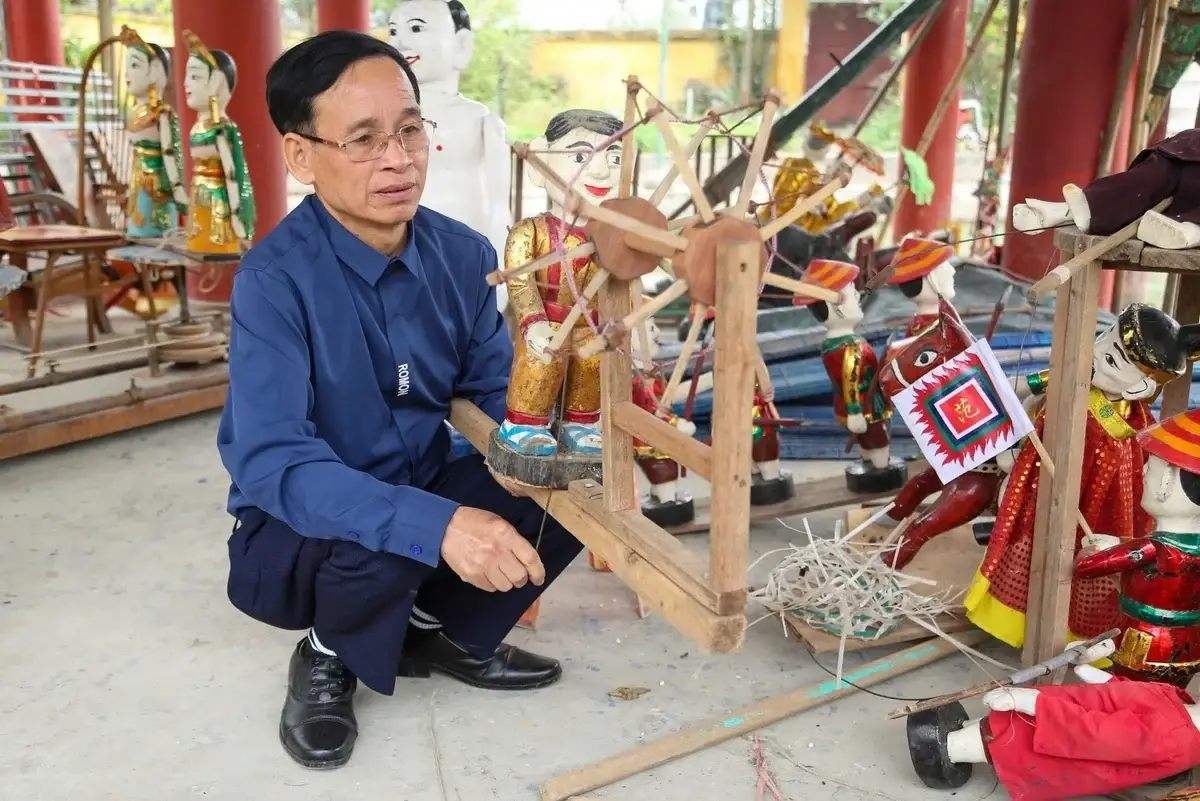
Each puppet is attached to its own thread beneath the surface. Behind the screen, several masters tighten and release the threads with both hands, adjusting constantly to one another. If one person pulls a moment too early or too hard, the formation collapses, a puppet falls behind or the threads become tangled. This is why the act is considered one of the Nguyên Xá troupe’s most difficult scenes.
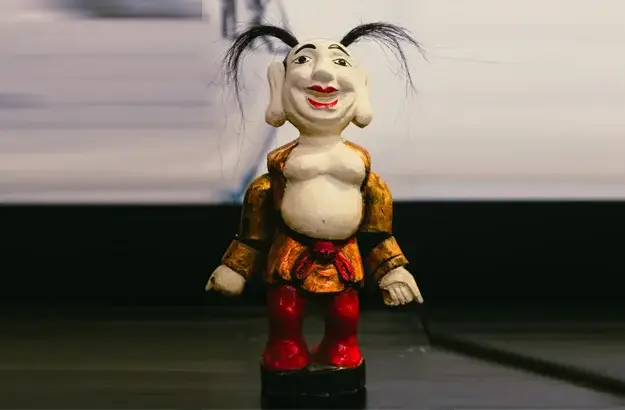
The village also keeps Vietnam’s largest Uncle Teu, the pot-bellied village joker who traditionally opens the performance and is the first to address the audience.
How Water Puppets Are Made
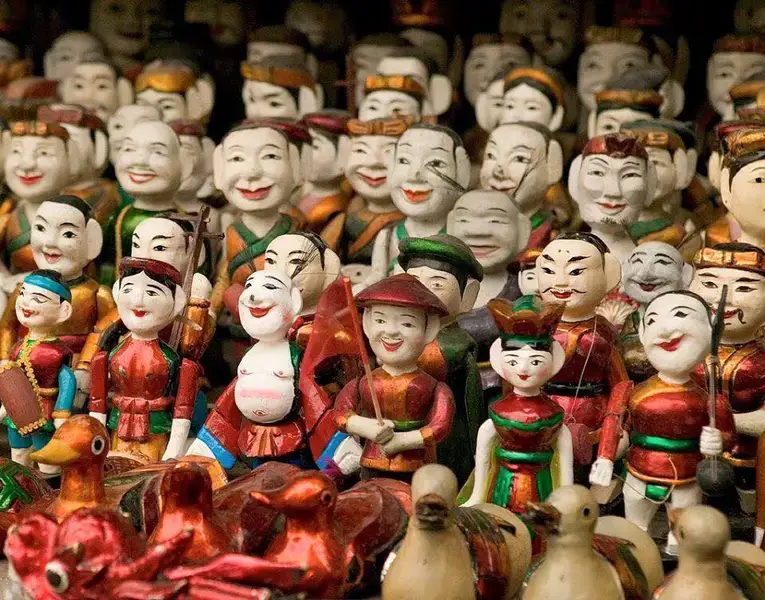
The largest Uncle Teu and the tiniest duck begin in the same way — with a piece of wood. Traditional water puppets are carved from fig wood because it is soft, buoyant and easy to shape.
First, the craftsman draws the future character and transfers its features to a wooden block. A face, clothes, hands and headdress gradually emerge from the solid piece. If the figure is too heavy, it is hollowed out. The finished puppet is dried, sanded and coated with several layers of traditional lacquer to protect the wood from water. Some details are decorated with silver or gold foil before the character is painted in bright colours.
But carving and painting the character is only half the work. Every puppet also needs a control mechanism that will remain entirely out of sight. In a simple figure, a small float keeps the puppet upright while a long pole extending behind the screen sets it in motion. More elaborate characters conceal a whole system of joints, rods and threads beneath their bodies. These allow a buffalo to bow its head, a fisherman to lift his arms and a dragon to open its jaws and breathe fire.
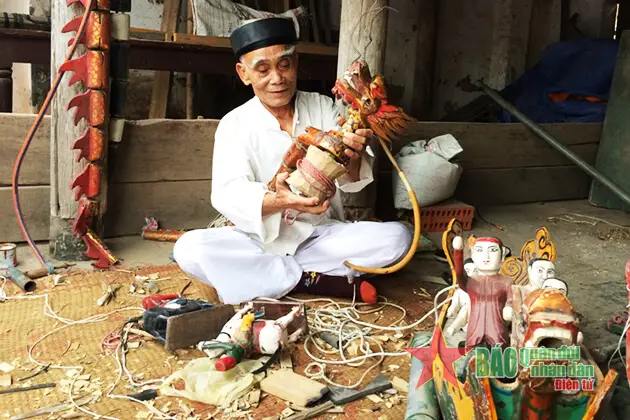
Some puppets are tiny, but large and complex figures can weigh up to 15 kilograms including the submerged base and mechanism. The water supports the puppet, yet moving such a construction with a long pole is still demanding: the performer must overcome the resistance of the water, calculate every turn precisely and keep the character balanced. Large dragons, fairies and mythical animals are therefore sometimes controlled by several people at once.
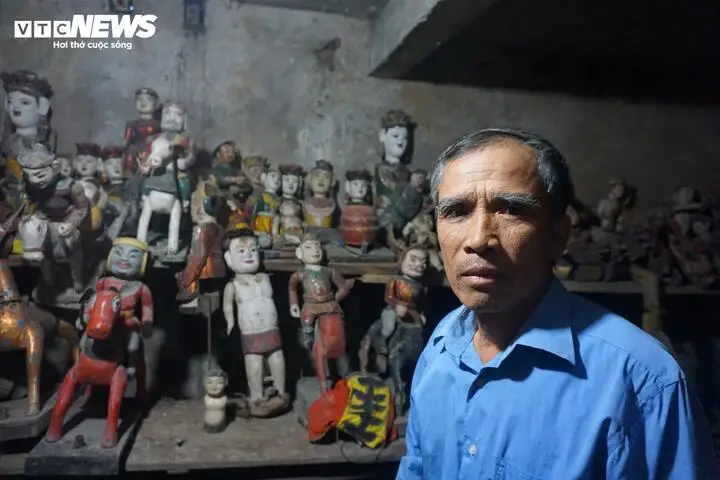
A working workshop can be seen in Dao Thuc village near Hanoi, where puppets are still carved, dried, painted and prepared for the stage. Those who would rather stay in the city can visit the Vietnam Museum of Ethnology, where village troupes perform, traditional puppets are displayed and, during special programmes, masters demonstrate their controls. Yet the wooden character truly comes alive only in a puppeteer’s hands — and the work is far harder than it looks from the audience.
Behind the Bamboo Screen
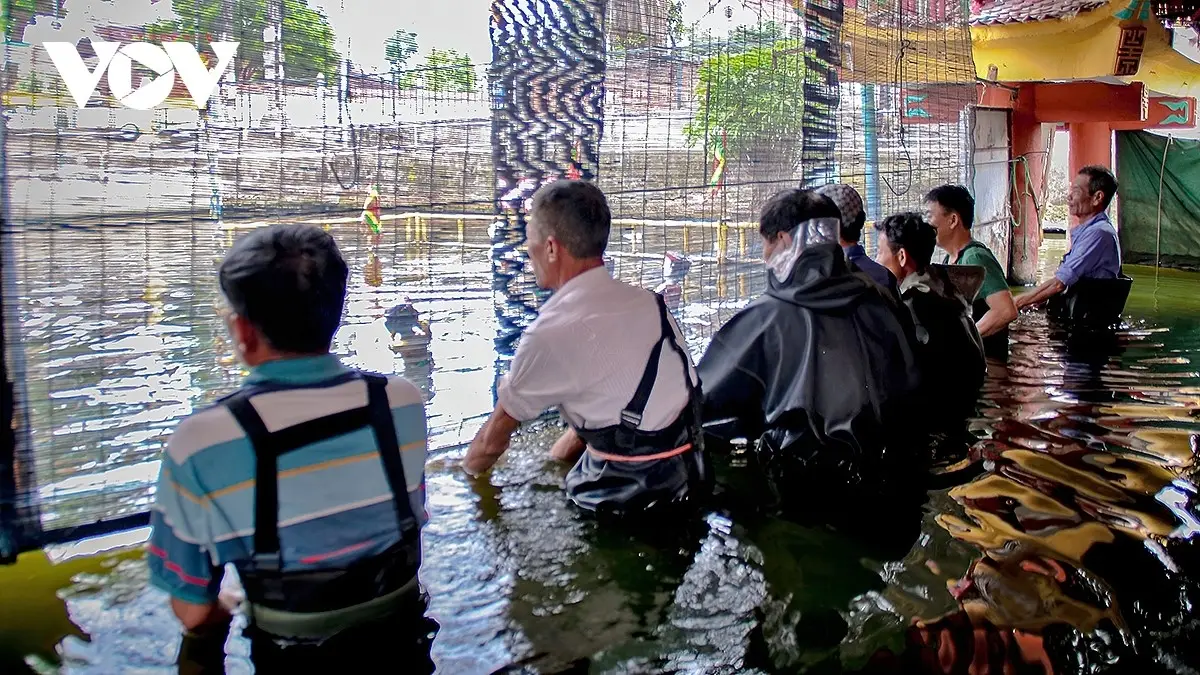
When a finished puppet enters the stage, the audience sees only its painted body. The real performance is taking place behind the bamboo screen. Several puppeteers stand in the water and guide the characters with long poles and threads hidden below the surface.
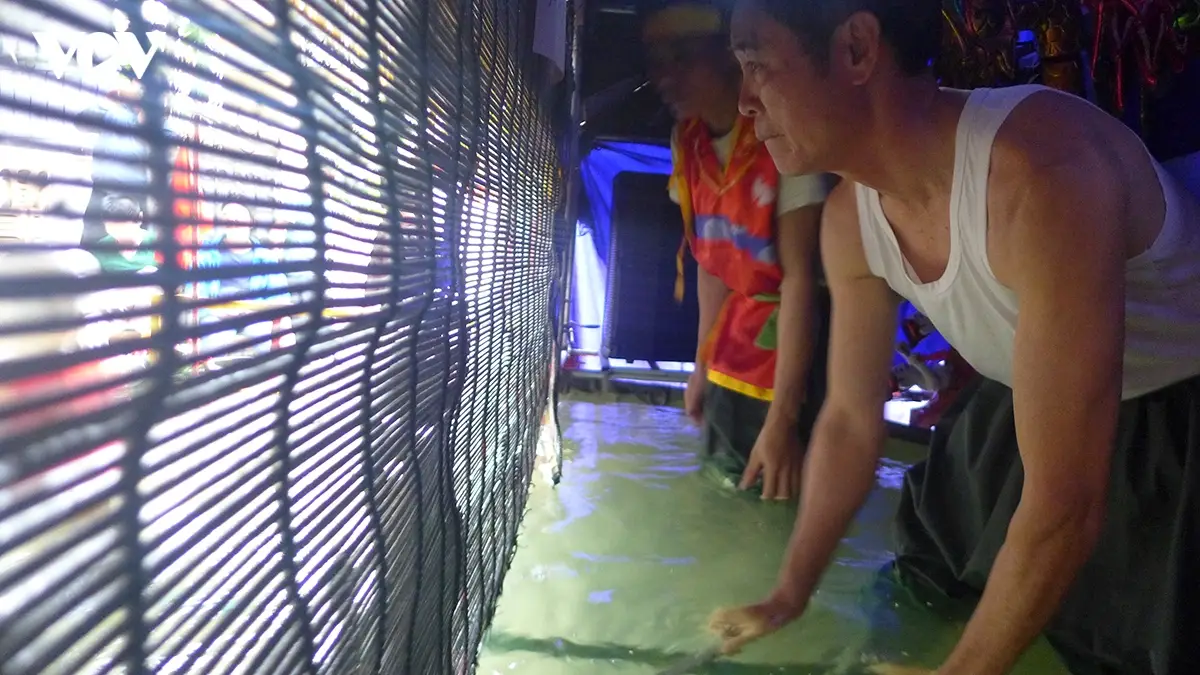
They cannot see the stage as the audience does or check whether the puppets have formed the right pattern. Every movement must therefore be rehearsed: where the character appears, when it turns, how far it travels and when it vanishes. The puppeteers follow the music and sense their partners’ movements through the tension of the mechanism. If one person loses the rhythm, the audience sees it at once.
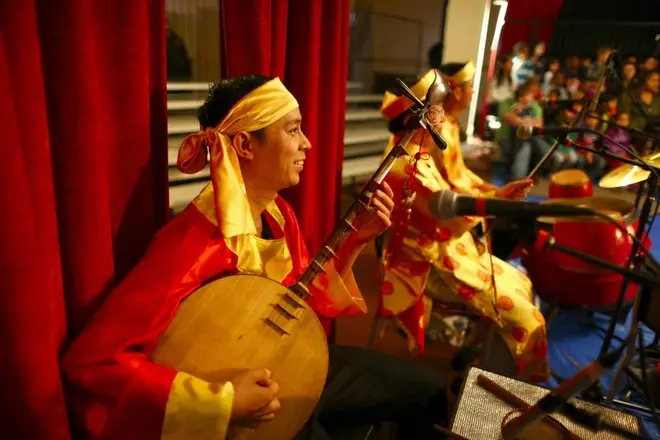
The orchestra does far more than accompany the action. Drums set the pace of a chase or boat race, gongs welcome the dragon, and flutes and stringed instruments carry the quieter scenes. Musicians give the characters their voices, warn them of danger, laugh at their mistakes and argue with them.
Uncle Teu is usually the first character to appear. He announces the acts, retells village gossip, teases the musicians and comments on the action. Through him, short tales of fishermen, buffaloes, dragons and boat races become one great village festival.
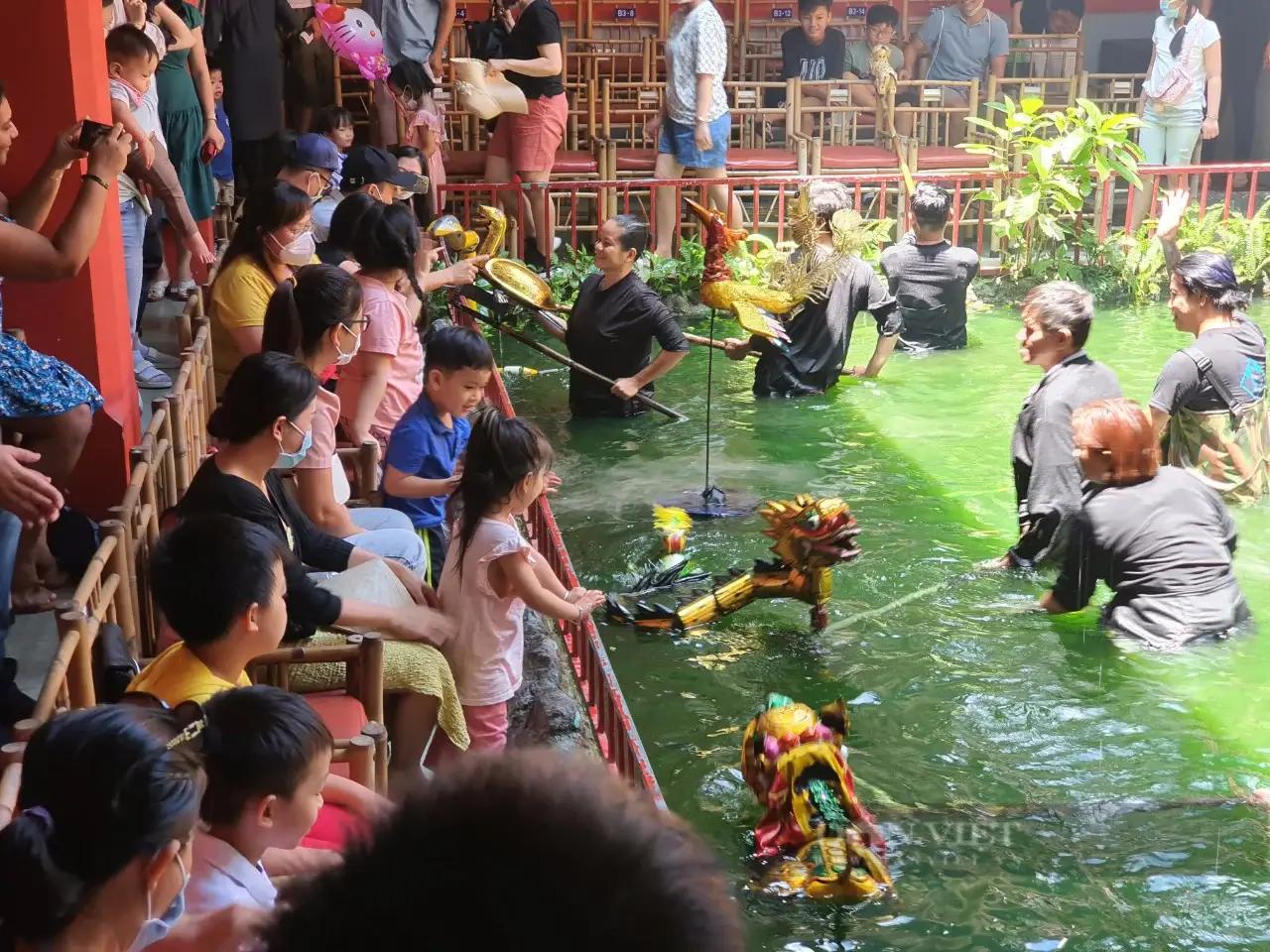
How the Theatre Left the Village Pond
For centuries, each troupe was tied to its own pond. The portable pool changed everything: a water stage could now be assembled in a city, carried around the country and sent abroad with the performers.
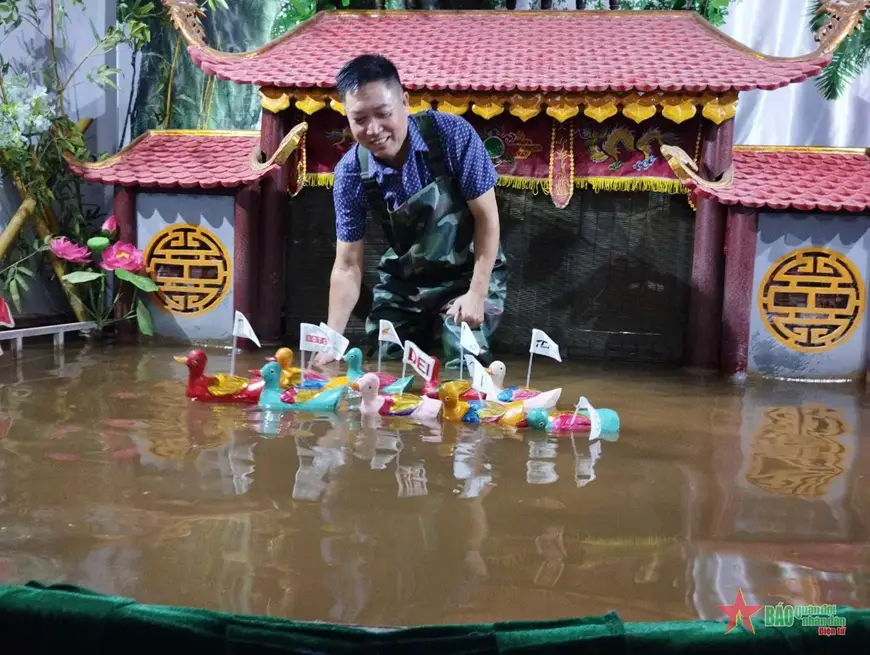
Professional theatres learned from village masters, preserved old acts and invented new ones. The show became shorter than a village festival, the puppets grew larger and the lighting brighter, but the central secret remained: the audience sees only the water and characters that seem to move by themselves.
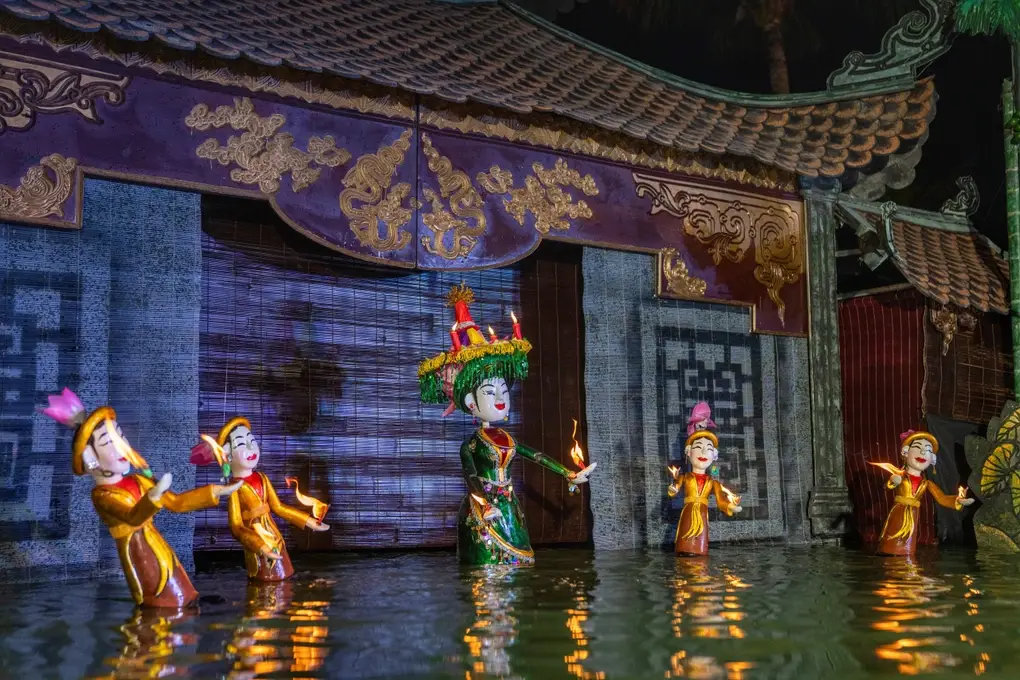
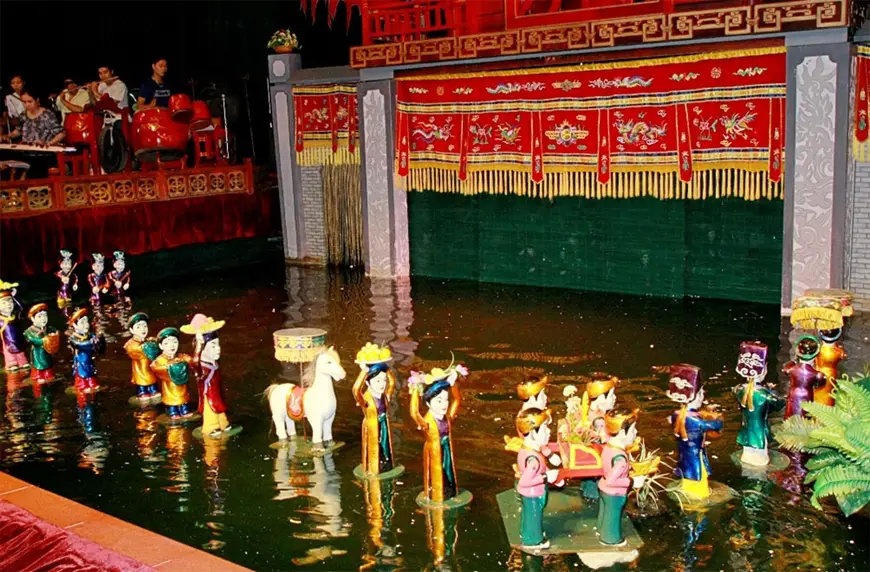
This illusion made Vietnamese water puppetry recognisable far beyond the country. It travelled to Europe, the Americas and Asia and inspired some unexpected successors. Vietnamese masters, for example, trained performers at the Cairo Puppet Theatre, where an aquatic production about Isis and Osiris was created with pharaohs and sacred animals of the Nile.
Today, water puppetry is recognised as part of Vietnam’s national intangible cultural heritage. It remains alive in northern villages, fills urban theatres with visitors and continues to evolve.
Đó Theatre and Uncle Teu’s Dream
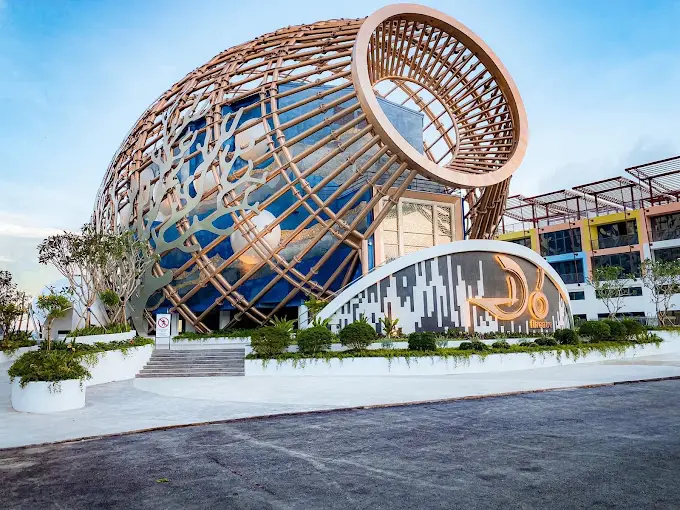
The ancient theatre born among rice fields has an unexpected modern continuation in Nha Trang. On the shore of Bai Tien Bay stands Đó Theatre, shaped like an enormous fish trap.
Đó is the name of a traditional Vietnamese fish trap woven from bamboo. The architects enlarged its form to the scale of a theatre. Curved ribs wrap around the building, and lights glow between them after dark. It is worth arriving a little early to walk around the theatre before the performance begins.
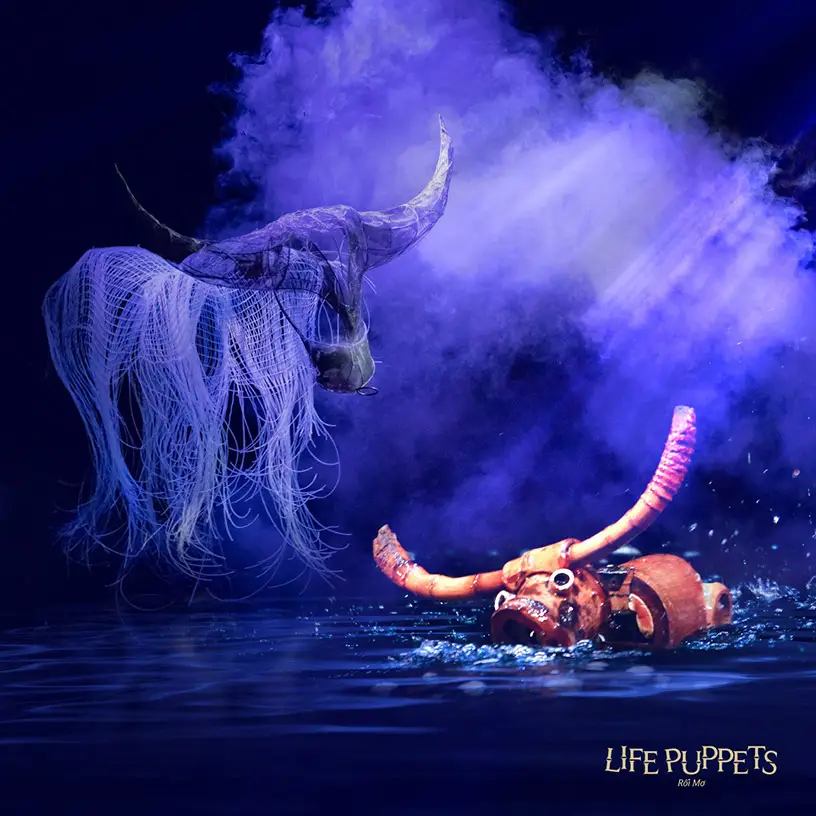
Inside, the theatre presents Rối Mơ — Life Puppets. The story begins with a dream of Uncle Teu, the same village joker who has opened water-puppet performances for centuries. In his sleep he meets the 12 animals of the Vietnamese zodiac, and the stage gradually stops obeying familiar rules.
Some characters rise from the water, others appear above the audience, and still others turn into shadows or move alongside dancers. The action unfolds in four spaces at once: on land, in the air, on the surface of the pool and beneath it. Traditional wooden figures share the stage with string puppets, animation and contemporary dance, accompanied by a live orchestra of gongs, drums, leaf horns and instruments played by Vietnam’s different peoples.
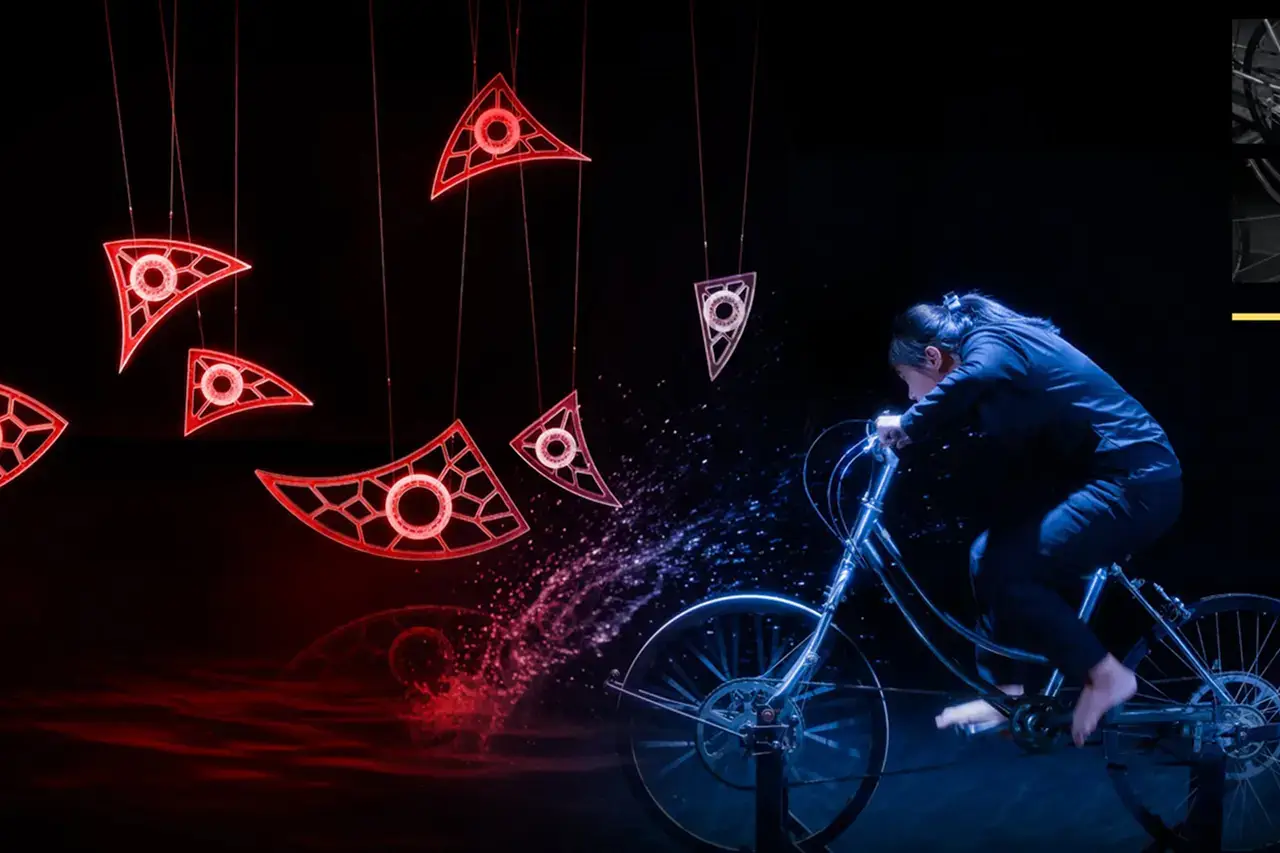
The most unexpected mechanism, however, is not underwater but on the side balconies. Real bicycles are installed there. Performers pedal, and a system of cables sets the animals of the Vietnamese zodiac moving above the stage. Their bodies consist of separate geometric pieces that join into recognisable silhouettes, change shape and break apart again as they move.
Tickets and Getting to Đó Theatre
The performance lasts about an hour and contains almost no dialogue, so you do not need to know Vietnamese. Check available dates and starting times on the official booking page before your visit.
Adult tickets cost between VND 400,000 and 600,000; tickets for children and senior visitors range from VND 280,000 to 420,000. The price depends on the seating section. Tickets bought through the official website receive a 5% discount.
- Official Đó Theatre website
- Official ticket booking
- 2026 ticket prices
- Address: Nhà hát Đó, khu vực Bãi Tiên, khóm Đường Đệ, phường Bắc Nha Trang, Khánh Hòa.
Visitors are advised to arrive 20–30 minutes early. Photography and video recording are not permitted during the show.
Electric VinBus No. 23 runs to the theatre. It follows the coast along Trần Phú and Phạm Văn Đồng streets, passing through central Nha Trang and the Ana Marina area. Its terminal is directly beside Đó Theatre.
The fare is VND 15,000, and buses run at intervals of about 40 minutes. On the day of the performance, check the next departure and the final return service on the VinBus map for Nha Trang or in the VinBus app. Take the bus towards Nhà hát Đó on the way there and towards Vinpearl Nha Trang on the return journey.
Comments
Read also
All articles
The Bird That Drove the World Crazy: The Vietnamese Creator of Flappy Bird
The world’s most popular mobile game was earning tens of thousands of dollars a day. Why did Nguyen Ha Dong remove Flappy Bird at its…

Nha Trang Travel Guide: How Many Days, Where to Stay and What to Do
How long should you stay in Nha Trang? Three days covers the city, beach and one outing; five to seven days gives you time for…
Tet in Vietnam: How to Experience the Country’s Biggest Holiday and Plan Your Trip
Tet is one of the best — and at the same time one of the most inconvenient — periods for a first trip to Vietnam.…
Vietnamese Coffee: How a French Import Became a National Habit
How coffee arrived in Vietnam, why the country became the world’s second-largest exporter, which drinks to order, and where to try the best coffee in…

Where to Live in Vietnam for a Month: Da Nang, Nha Trang, Ho Chi Minh City, Hanoi, or Da Lat
Choose a Vietnam base for a month by daily life: sea, work, districts, season, budget and a one-week housing test.
No Sex, Music or Weapons: Life in the Coconut Kingdom During the War
A French education, a religion of his own and an island in the middle of the Mekong: the story of Nguyễn Thành Nam and the…