The Bird That Drove the World Crazy: The Vietnamese Creator of Flappy Bird
On February 10, 2014, the world’s most popular mobile game disappeared from the App Store and Google Play. It was not banned, shut down by a court, or sold to a large company. The creator of Flappy Bird removed the game himself while it was at the top of global charts and earning him a fortune.
Twenty-two hours before removing it, he warned players that he could no longer take it.
By then, Flappy Bird had been downloaded more than 50 million times. According to The Verge, in-game advertising was earning about $50,000 a day. But its creator, 28-year-old Hanoi programmer Nguyen Ha Dong, no longer dreamed of money or fame. He wanted his old life back.
A programmer from Hanoi
Nguyen Ha Dong was born in 1985 and grew up in Van Phuc, an old silk village that is now part of Hanoi. His father worked in trade, while his mother was employed by a government institution. His parents could not afford a Game Boy for their children, but Dong became interested in video games at an early age, especially Super Mario Bros. and The Legend of Zelda.

At sixteen, he wrote his own chess program. He later entered Hanoi University of Science and Technology to study information technology. At nineteen, Dong placed among the twenty best participants in a programming competition and earned an internship at Punch Entertainment, one of the few Vietnamese companies developing mobile games at the time.
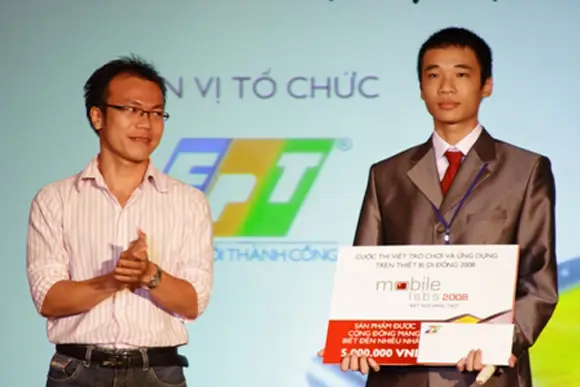
While still a student, he worked with American game designers and handled the programming side of their projects. Dong later programmed location systems for taxis and created his own games in his spare time.
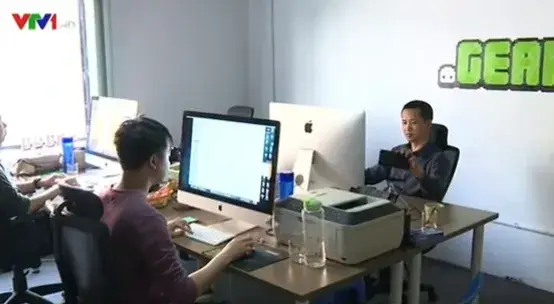
He liked working alone: inventing mechanics, drawing characters, and writing code. A large team, an office, and the role of manager did not appeal to him. Dong released short mobile games under the name .GEARS, although the company DOTGEARS was legally established only after the Flappy Bird story.
A game made in a few days
In the spring of 2013, during a holiday weekend, Dong decided to make a phone game. He wanted its rules to be understandable without a tutorial and each attempt to last only a few minutes.
The game had just two main elements: a bird and an endless series of green pipes. Every tap made the bird rise slightly before it immediately began to fall. The player had to guide it through a narrow gap without touching an obstacle or crashing into the ground. As soon as the bird hit a pipe, the game ended and the player had to start again.
Development took only a couple of days. Dong did no market research and made no attempt to calculate his future audience. He later said that he was creating a small game that, above all, he himself would enjoy.
The game was originally called Flap Flap, but another app was already using that name. It therefore appeared in the App Store as Flappy Bird on May 24, 2013. Dong made it free and added a small advertising banner. He hoped to earn a few hundred dollars a month to pay for further education and continue working on his own projects.
But nothing happened.
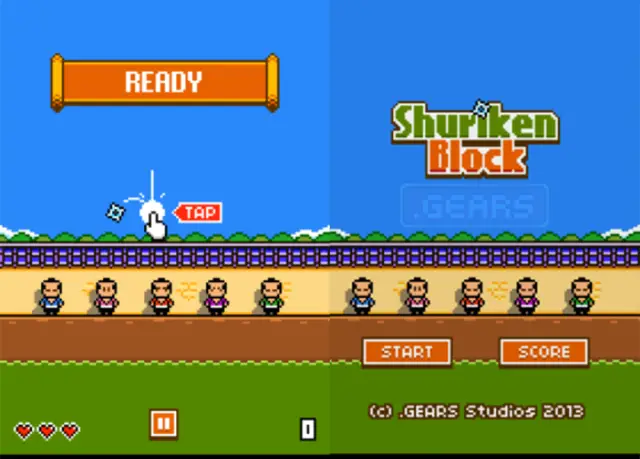
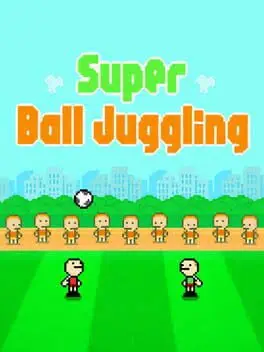
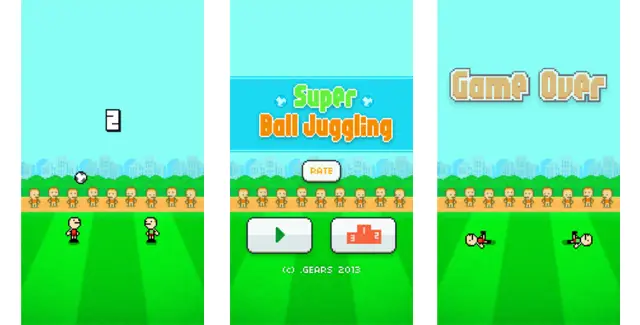
From late May to late October, users left only thirteen reviews. Flappy Bird vanished among thousands of new apps. Dong released an update, fixed several bugs, and moved on to other games. At the same time, he launched Super Ball Juggling, in which players kept footballs in the air, and Shuriken Block, a game about flying shuriken.
It seemed that the story of Flappy Bird was over.
“F*** Flappy Bird”: the bird takes off
The earliest known mention of Flappy Bird by an unrelated user appeared on Twitter on November 4, 2013, more than five months after the game’s release.
It consisted of just three words:
F*** Flappy Bird.
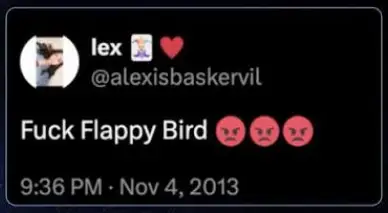
It is impossible to claim that this particular post started the game’s spread. But it captured with remarkable accuracy the feelings of Flappy Bird’s future fans.
More and more score reports and complaints appeared online. People argued over who had flown farther, recorded videos, and urged friends to try “this terrible game.” Frustration unintentionally became advertising.
Dong did nothing to make this happen. He bought no promotion and barely spoke about Flappy Bird. When he was later asked why it had succeeded, he answered honestly: “I don’t know.”
In December, the game first appeared in the US App Store rankings. On January 10, 2014, it entered the ten most popular free apps in the United States. Then its ascent accelerated.
Flappy Bird reached number one in both the App Store and Google Play. Reports at the time said that it was being downloaded two to three million times a day. Downloads eventually exceeded 50 million, and the game topped rankings in more than a hundred countries.
Two other games by Dong, Super Ball Juggling and Shuriken Block, also entered the US top ten. The independent developer from Hanoi simultaneously occupied three places among the most popular free apps. He did not even use cross-promotion: there was no banner inside one project leading users to another.

$50,000 a day and the madness around Flappy Bird
Flappy Bird remained free, but advertising appeared at the bottom of the screen. With millions of daily downloads, it began generating enormous income.
In early February, The Verge reported that the game was earning its developer an average of about $50,000 a day. For someone who had expected a few hundred dollars a month, this was an astonishing success. But the money brought fame for which Dong was completely unprepared.
He gave almost no interviews, disliked being photographed, and rarely appeared in public. The less Dong said, the more insistently journalists tried to find him. At the height of the attention, he had to leave home and stay with a friend.
His parents learned the scale of Flappy Bird from the news. Until reports appeared on television, they did not even know that their son had created the game.
At the same time, accusations began to target Dong. The green pipes resembled those in Super Mario Bros., and the pixel graphics recalled old Nintendo games. Some users said the developer had copied someone else’s visuals; others suspected him of artificially promoting the app.
A rumour quickly spread that Nintendo planned to sue Dong. The company officially stated, however, that it had made no complaint and was not planning legal action. The developer said that no one from Nintendo had even tried to contact him.
Players also wrote directly to Dong. Some claimed that Flappy Bird had stopped them from doing ordinary things. One person said that he had lost his job. A woman complained that she had stopped talking to her children. There is no way to verify how far such a simple yet absorbing game could really drive someone. Dong felt guilty about the consequences of his creation and struggled with the fame that had fallen upon him.
Twenty-two hours before it disappeared
On February 8, 2014, Dong posted a message:
I am sorry, Flappy Bird users. Twenty-two hours from now, I will take Flappy Bird down. I cannot take this anymore.
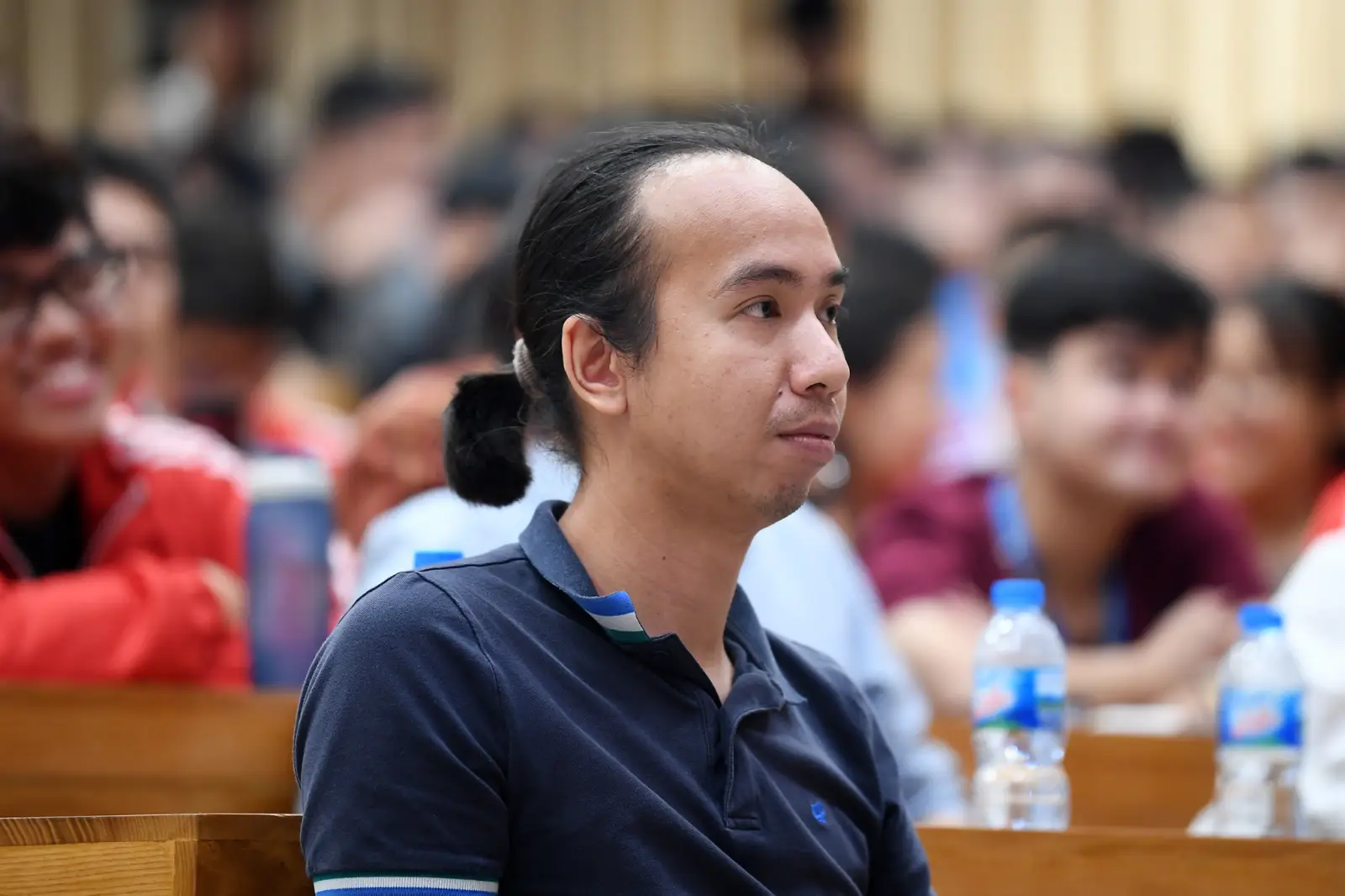
He immediately clarified that the decision had nothing to do with legal claims. Dong was not going to sell the game and did not intend to stop working on other projects.
At first, many people dismissed his words as a publicity stunt. Why would anyone voluntarily remove an app that topped charts worldwide and earned huge sums every day?
Yet on February 10, Hanoi time, Flappy Bird really did disappear from the App Store and Google Play.
Installed copies continued to work, so phones that still contained the game unexpectedly became collectibles. Listings appeared on eBay offering such devices for thousands or tens of thousands of dollars. Some sellers asked as much as $100,000.
Countless copies immediately took the original’s place. The bird was replaced by fish, dogs, bees, and other characters, but all the games preserved the essence of flappy gameplay: one tap, endless obstacles, and instant defeat.
The disappearance only intensified interest. In Google’s results for 2014, Flappy Bird was the year’s most searched-for game, ahead of Destiny, one of the most expensive game projects of its era. Among all searches of the year, Flappy Bird ranked sixth, appearing on the same list as the FIFA World Cup, the Ebola epidemic, and the disappearance of Malaysia Airlines flight MH370.
In 2016, Flappy Bird entered Guinness World Records as the first app removed by its creator after reaching number one in the App Store.
Life after Flappy Bird
After removing the game, Dong felt relieved. He could not fully return to his former life, but he was once again able to work in peace.
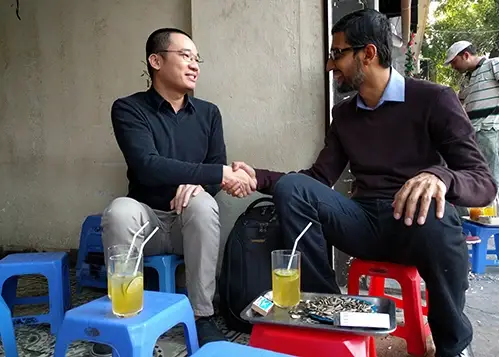
The success of Flappy Bird allowed him to leave his job working on taxi navigation equipment. In an interview with Rolling Stone, Dong said that he was considering buying an apartment and a Mini Cooper. He did not reject the money he had earned or pretend to be indifferent to material things. He wanted something else: the freedom to control his own life and projects.
In August 2014, Flappy Birds Family appeared, a new version released exclusively for Amazon Fire TV. It added a two-player mode and new obstacles. Dong promised that it would be less addictive than the original.
He later released Swing Copters, Swing Copters 2, and Ninja Spinki Challenges. They retained his recognisable approach: simple pixel art, one-motion controls, and high difficulty. None of these projects, however, repeated the success of Flappy Bird.
In 2024, an unrelated team unexpectedly announced the return of Flappy Bird. The creators called it an official continuation, but questions quickly arose around the project, including over possible links to cryptocurrency.
Nguyen Ha Dong had been silent on social media for more than seven years. He now returned to make a statement. He wrote that he had nothing to do with the new game, had sold nothing to its creators, and did not support cryptocurrency.
While others tried to revive a phenomenon from a decade earlier, Dong chose to remain on the sidelines. For someone who once removed the world’s most popular game in pursuit of a quiet life, that is perhaps the most fitting ending.
Comments
Read also
All articles
Hanoi: What to See in 3–4 Days, Where to Stay, What to Eat and How to Get Around
A practical Hanoi guide for 3–4 days: where to stay, what to see, what to eat and how to move around the city.
Vung Tau, Soviet-style: how oil workers built a Russian town inside Vietnam
The story of Soviet oil workers, Vung Tau’s Russian neighborhood and the White Tiger field that transformed Vietnam’s economy.

Vietnamese Coffee: How a French Import Became a National Habit
How coffee arrived in Vietnam, why the country became the world’s second-largest exporter, which drinks to order, and where to try the best coffee in…

Blood Oaths, Fire-Breathing Dragons and Hidden Mechanisms: The Story of Vietnamese Water Puppetry
How a rainy-season village pastime reached the imperial court and won over audiences around the world.

Why Vietnam has two Women’s Days: the women who fought for rights and independence
A women’s newspaper, underground organizations, negotiations in Paris and letters from France: the history remembered in Vietnam on October 20.

Po Nagar Towers in Nha Trang: the goddess who outlived her kingdom
The story of the Mother of the Land and why people still bring her offerings.