Tram Huong Tower in Nha Trang: why it is not a lotus and what is inside
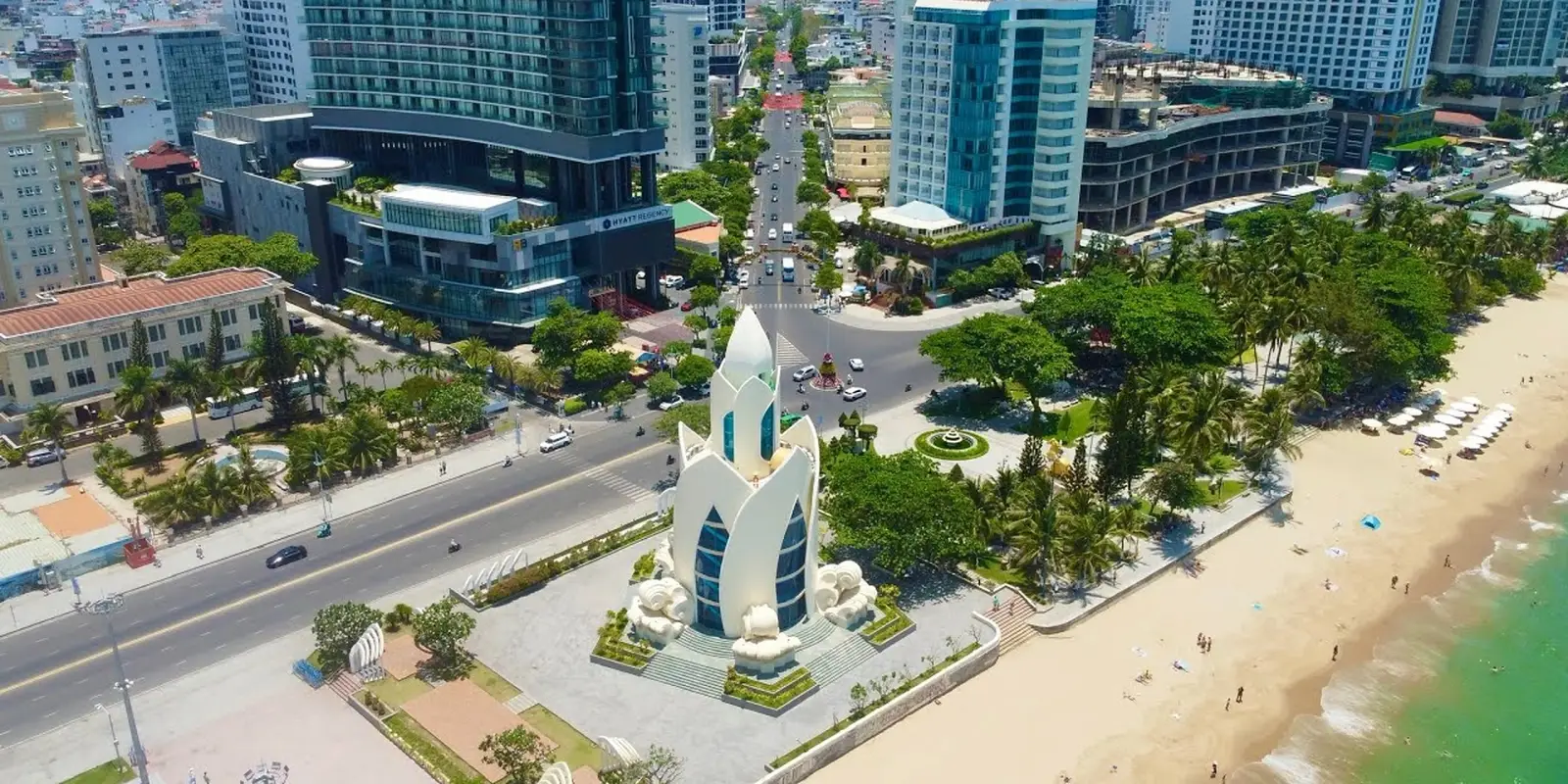
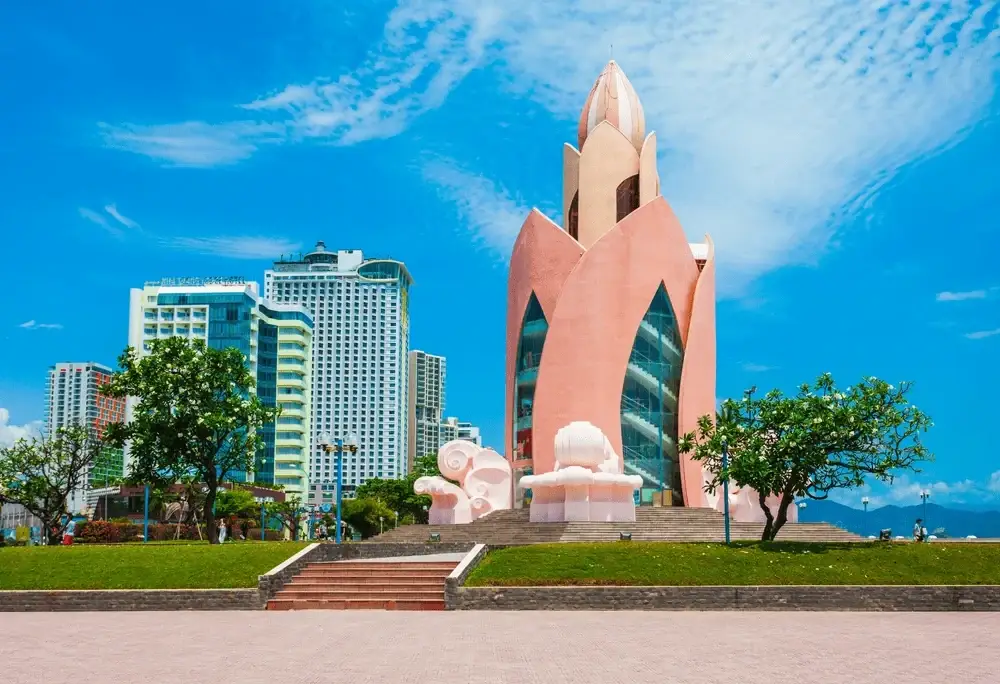
On Nha Trang’s waterfront stands a white tower with enormous open “petals”. Tourists call it the Lotus, arrange to meet beside it and take photographs on its steps. It used to be pink, which made the resemblance to a flower even stronger.
But the tower’s name is Tram Huong — Tháp Trầm Hương. There is no mention of a lotus in its Vietnamese name. It refers to fragrant wood that is burned as incense, made into oil for perfume and used for expensive decorative items.
What the tower represents
Its shape brings together several things familiar to local people. The curved sections resemble sails and petals, while the top features a stylised incense burner with a piece of fragrant wood. This is where the name Tram Huong, meaning agarwood tower, comes from.
“Agarwood” may be an unfamiliar word, although its scent appears in expensive perfumes under the name oud. The valuable wood is wood in which fragrant resin has accumulated. It darkens, develops a strong scent and is used for incense and perfume.
In Khanh Hoa Province, where Nha Trang is located, agarwood has long been part of trade and craft traditions. It is burned during offerings to ancestors and important family occasions.
Agarwood also appears in local legends. In the legend of the goddess to whom the Po Nagar Towers are dedicated, it helped her cross the sea and return to her homeland.
First came the “Sea Flower”
In 2004, construction began here on a structure called the “Sea Flower” — Hoa Biển. It was intended to become a new symbol of Nha Trang. The location was prominent: the central square, the waterfront and the sea. A memorial to the fallen had previously stood here and was relocated.
But construction dragged on, the project attracted criticism and there was not enough money to finish it. An unfinished building was left in the city centre.
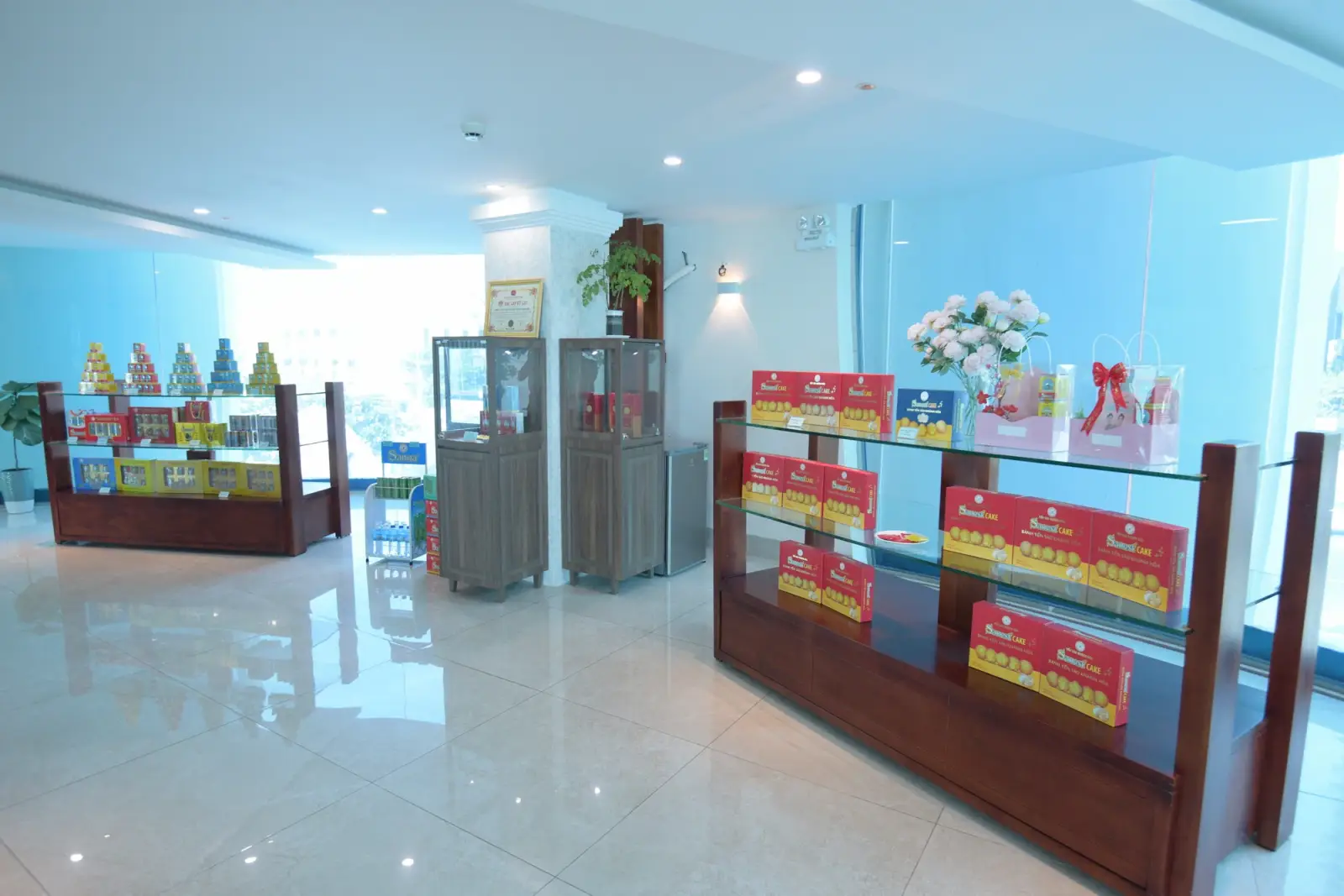
In early 2008, Vinpearl took over the project. Rather than continuing with the original design, the company dismantled three of its nine floors, changed details and reworked the exterior. On 22 December that same year, the tower opened under the name Tram Huong. Exhibitions about Khanh Hoa and its famous products were installed inside.
What happened to the pink colour
In old photographs, Tram Huong is peach pink. This is how many tourists who first visited Nha Trang before 2023 remember it.
The building stands beside the sea and eventually needed major repairs: leaks appeared, paint peeled and metal parts rusted. Work began in September 2022. The tower was repaired inside and out, waterproofed, and damaged elements and curved glass panels were replaced.
The colour was changed at the same time. The old pink paint was removed, and by January 2023 the tower was white.
Some people liked the new look; others missed the old one. The pink tower had appeared on postcards and in family photographs for many years.
What was displayed inside
Behind the unusual facade are several floors of exhibition halls and a memorial space. The displays explained products whose names appear constantly on Nha Trang’s shop signs but are not always familiar to visitors.
One exhibition was devoted to edible bird’s nests. In Vietnam they are called yến sào, while in Russian they are commonly known as “swallow’s nests”. They are actually built by swiftlets. The tower displayed products made from the nests and models showing how they are harvested.
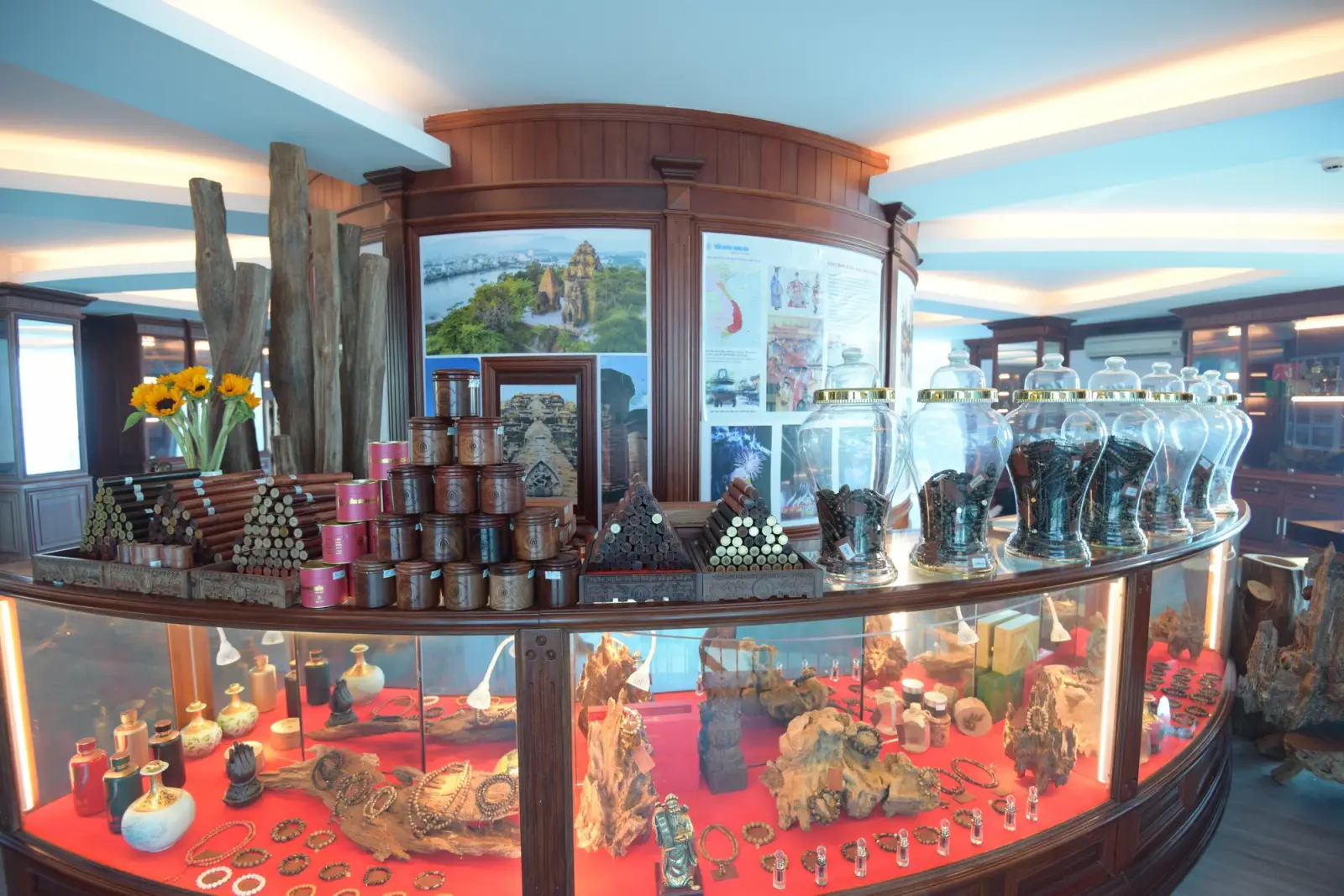
Another floor was dedicated to agarwood, items made from it and accessories for burning incense.
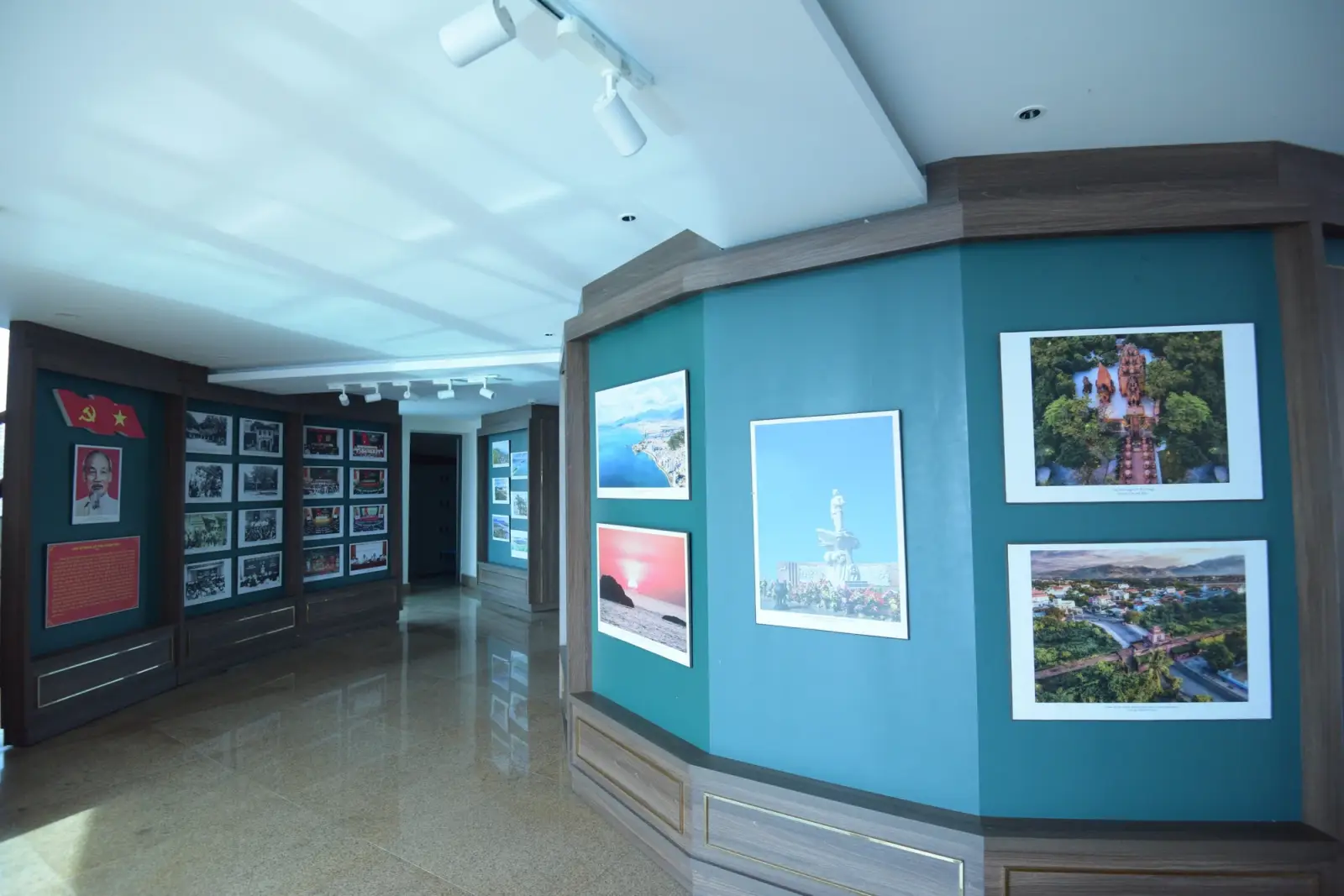
The entrance level housed material about the history of the local Communist Party organisation, festivals and distinctive features of Khanh Hoa. A room for video presentations using 3D technology was provided higher up.
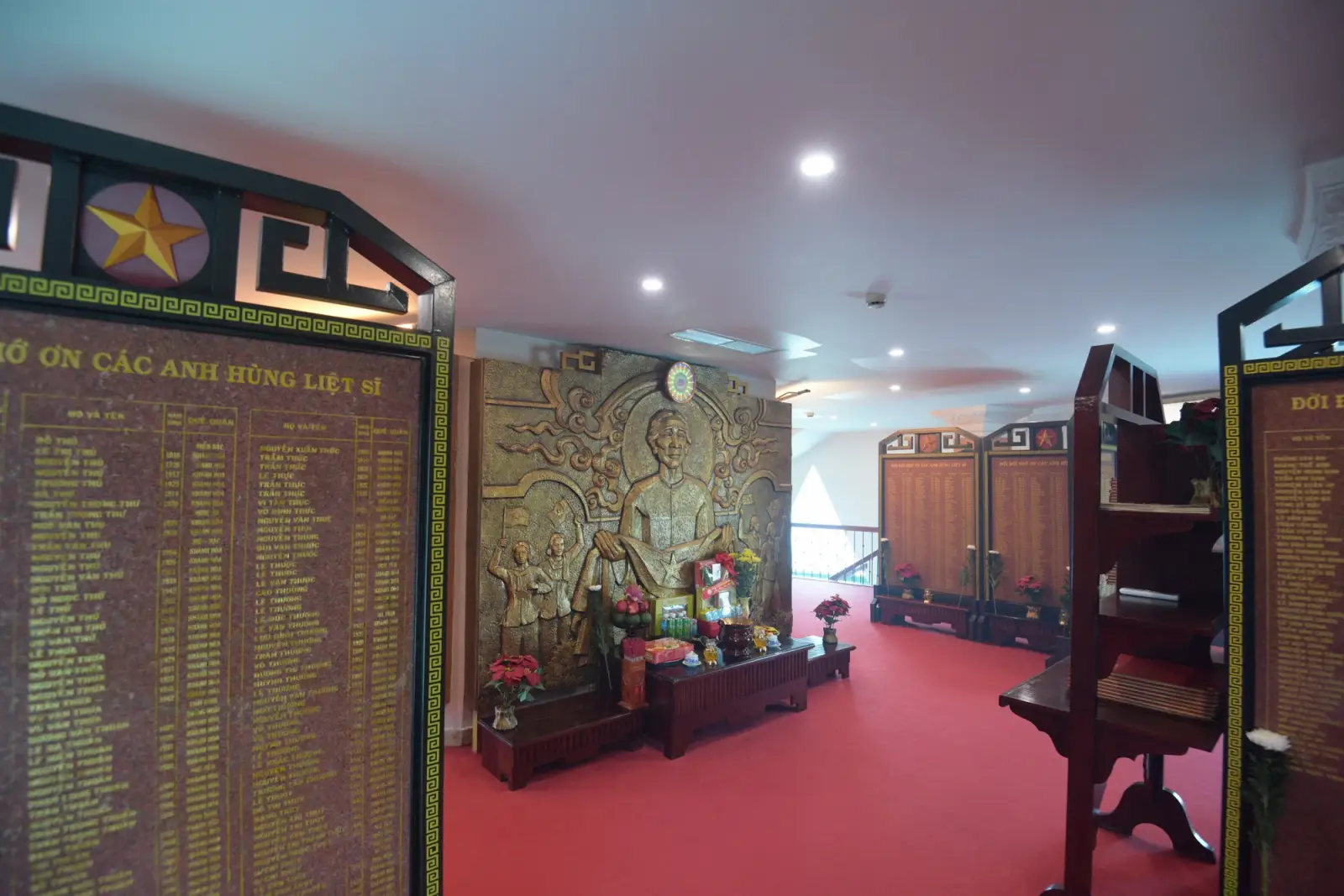
A separate floor contains a memorial space honouring fallen heroes and those who died during the revolutionary struggle. The tower therefore also serves as a place for commemorative ceremonies.
Can you go inside the tower now?
According to information available in October 2026, Tram Huong’s exhibition rooms are temporarily closed to visitors. There is no confirmed reopening date, so you should not plan on seeing the exhibitions or going upstairs.
The square and surrounding grounds are accessible. You can walk around the tower, look at it from different sides and take photographs. No ticket is needed to visit the exterior.
Where Tram Huong is and how to get there
The tower stands beside April 2 Square — Quảng trường 2/4 — on the seaward side of Tran Phu Street, Trần Phú. This is the main square in Nha Trang’s tourist centre. Stages are set up here for concerts and festivals, people celebrate New Year and gather to watch holiday fireworks. Ceremonial national flag raisings also take place in the square. Nearby are the beach, waterfront promenade, hotels, restaurants and night market.
For navigation or a taxi journey, use the name Tháp Trầm Hương. You can also show it to the driver if you find “Tram Huong” difficult to pronounce.
It is an easy walk from the central neighbourhoods. If you are staying in the north or south of the city, you can take a taxi or Grab to the square, then continue walking along the sea.
When to come and how much time to allow
Allow about half an hour to look at the tower from outside and take photographs. Morning and late afternoon are more comfortable than the midday heat. A visit fits easily into a trip to the beach or a walk through the centre; you do not need a separate excursion.
To photograph the whole tower, step back into the square: right beside its base, the large “petals” overlap. Then walk around to see it from the side — its shape changes noticeably depending on where you stand.
Afterwards, you can continue along the promenade, stop for a meal or wait for the night market to open.
Comments
Read also
All articles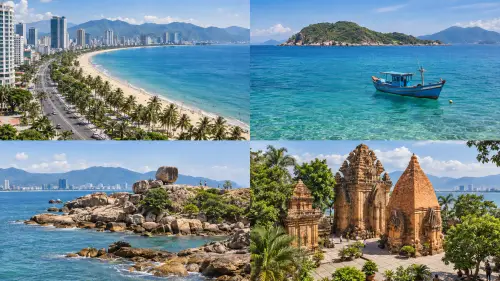
Nha Trang Travel Guide: How Many Days, Where to Stay and What to Do
How long should you stay in Nha Trang? Three days covers the city, beach and one outing; five to seven days gives you time for…

Nha Trang Events
Explore Nha Trang festivals, concerts, quizzes, dance nights, workshops and community meetups. Find an event or publish your own announcement for free.
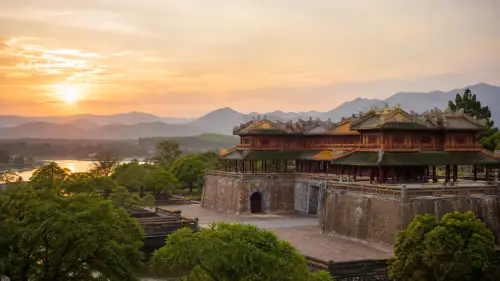
Hue, Da Nang and Hoi An in 5–7 Days: A Practical Central Vietnam Itinerary
Hue, Da Nang and Hoi An are close enough to combine in one trip, but they should not be treated as three similar stops. Hue…

Blood Oaths, Fire-Breathing Dragons and Hidden Mechanisms: The Story of Vietnamese Water Puppetry
How a rainy-season village pastime reached the imperial court and won over audiences around the world.

Best Beaches in Vietnam: Where to Go by Month and Which Destination to Choose
Vietnam has almost 3,300 km of coastline, but there is no single nationwide “beach season”. In winter, the most reliable beach weather is usually found…
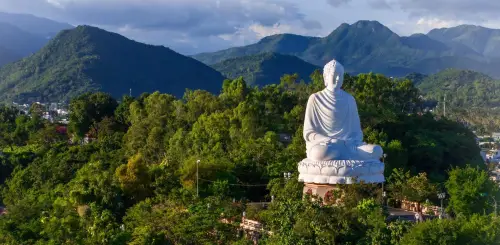
Long Son Pagoda and the White Buddha in Nha Trang: what to see and how to get there
From a small thatched temple to a giant Buddha on the hilltop.