







Hue, Da Nang and Hoi An in 5–7 Days: A Practical Central Vietnam Itinerary
Hue, Da Nang and Hoi An are close enough to combine in one trip, but they should not be treated as three similar stops. Hue…
Hue, Da Nang and Hoi An are close enough to combine in one trip, but they should not be treated as three similar stops. Hue…

Ten beach clubs in Phu Quoc, the Hoi An area, Nha Trang, Cam Ranh, Mui Ne and Phan Rang, with real photographs, each venue’s character…

Discover Old Town lantern nights, folk performances, Hoi An Memories, live music at An Bang and creative gatherings. Browse current events or publish your own…

Vietnam is increasingly cashless, but cash is still useful, international cards are not accepted everywhere, and QR payments are now common even at very small…
Hoi An is a city on the Thu Bon River in central Vietnam, where historic streets, residential neighbourhoods, workshops and an unhurried daily rhythm sit alongside well-known visitor routes. People look here for homes, transport, tailors, practical services and help with local projects, as well as for trips towards the river, coast and villages around the city. This page focuses on the urban Hoi An experience.
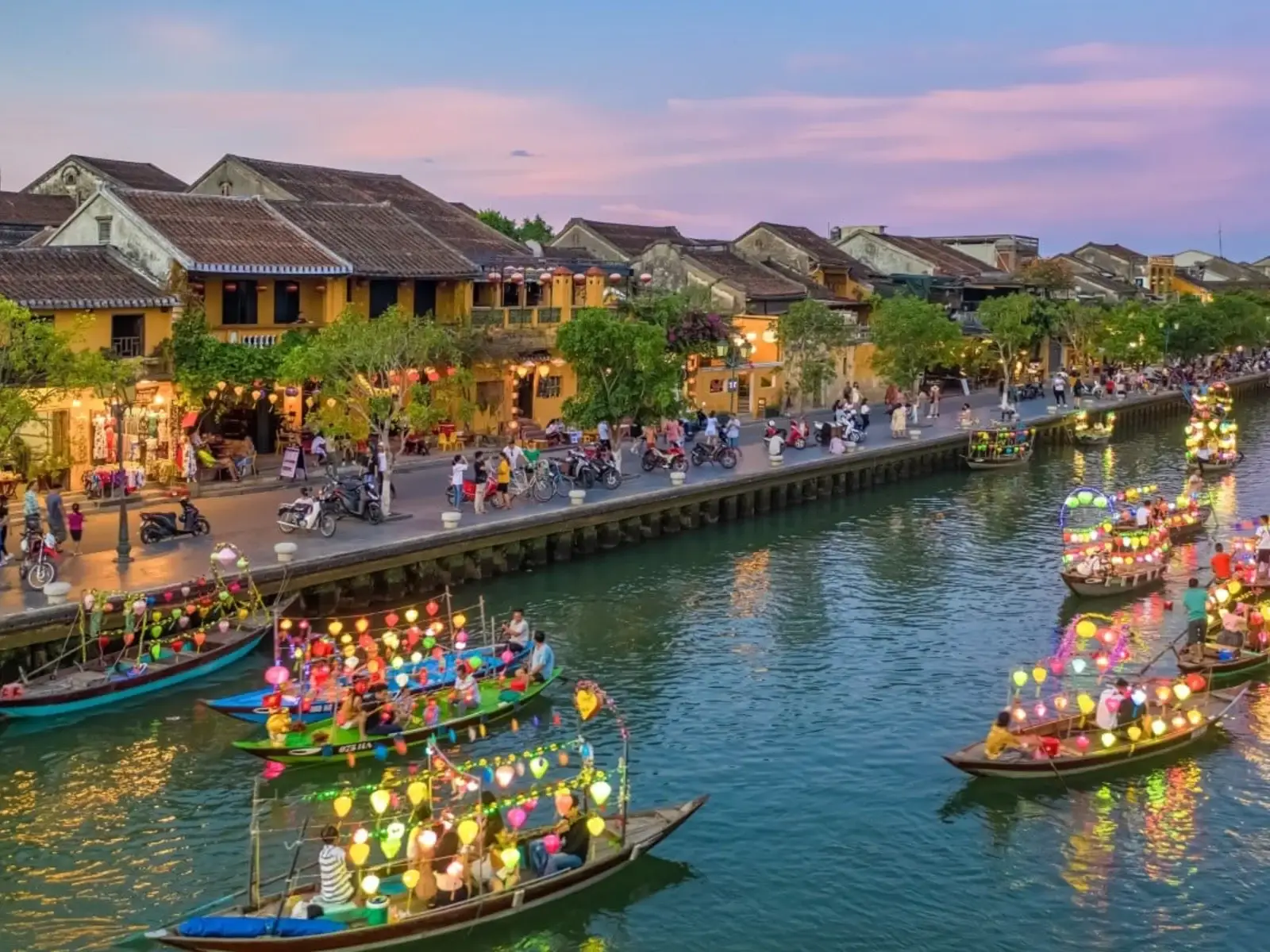
The old town gives Hoi An its recognisable scale: yellow façades, narrow lanes, lanterns, small courtyards, shops and access to the Thu Bon waterfront. Inside the heritage centre, walkability, evening noise, traffic arrangements and proximity to the river all matter. Outside it, the city opens into residential streets, small hotels, workshops, cafés and routes towards the surrounding countryside.
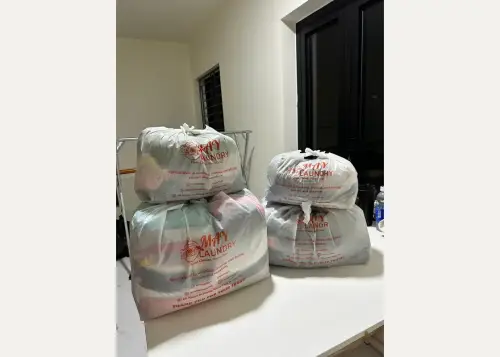
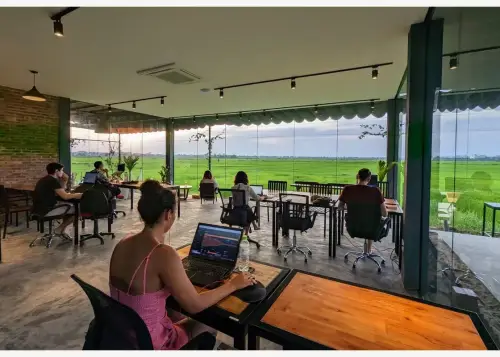
Hoi An works for a short stay as well as a slower life near the river and coast. People search for a room, house or apartment, a place to work, a bicycle or scooter, laundry, cleaning and delivery. When comparing accommodation, look at the old town, riverside areas and quieter streets separately: shade, humidity, parking, market access and the time needed to reach the beach can make a bigger difference than a memorable view.
The city is known for its craft and tailoring workshops, but everyday searches go well beyond clothing. Residents and visitors may need home and appliance repairs, electrical work, air-conditioning service, photography, translation, teaching, cooking help, event support or people who can work with guests. For a garment or handmade item, discuss materials, fittings and timing; for a repair, clarify the address, condition and whether the specialist can travel.
The river and the nearby coast shape practical plans as much as the old streets do. A boat outing, a bicycle ride through rice fields or a trip to the beach requires a clear meeting point, route, weather plan and way back. If a home or job lies between the centre and the coast, check street lighting, wet-season access, bicycle storage and the distance to shops and medical support.
This is a catalogue of private and local listings for Hoi An. People can share a home, service, craft, product, job or small city project, while others can look for an option for moving, travelling or solving a specific task. Before contacting an author, compare the description with the photographs, exact neighbourhood, contact method and whether the offer is in the old town, a residential area or farther from the centre.
It helps to start with the kind of day you want to make possible. Life in the old town may depend on night-time quiet, walking routes and market access; a longer stay near the river or coast may depend on internet, transport and protection from humidity; finding a tailor, technician or guide may depend on language, address and a clear result. These details help separate an attractive location from a workable choice.
Hoi An is more than lanterns and historic architecture. Morning markets, boats on the Thu Bon, local kitchens, workshops, bicycle roads and neighbourly connections are part of how the city functions. Define the situation you need to solve, ask the author practical questions and compare options by their real distance. The city page can then support living, working and travelling in central Vietnam.